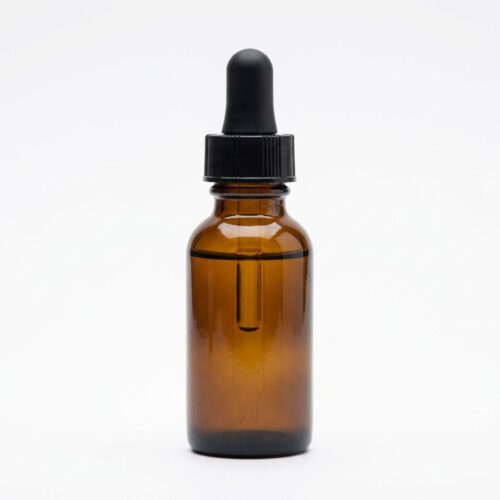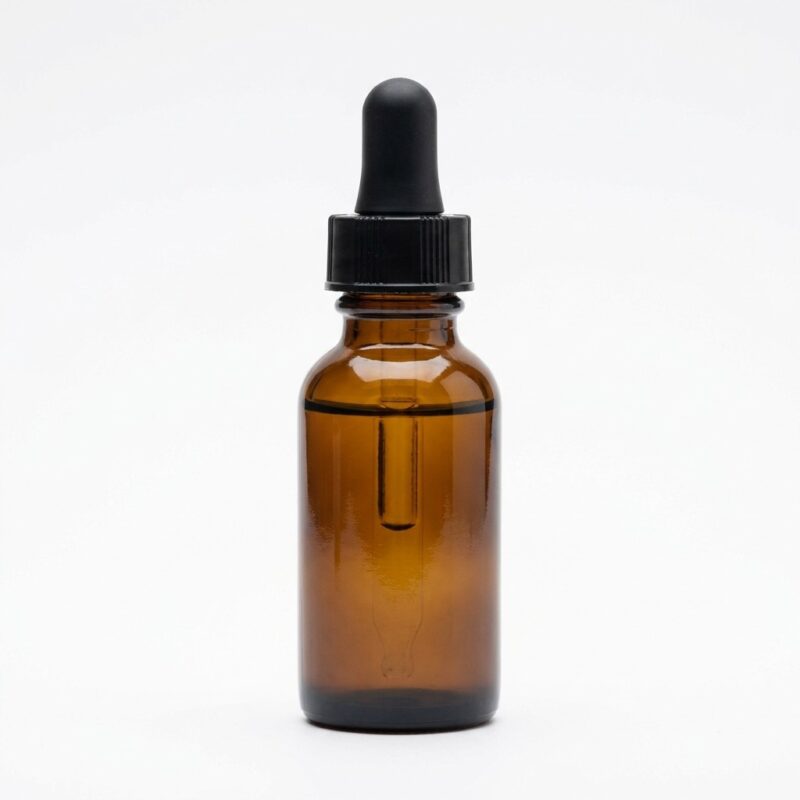
Frankincense Essential Oil is a therapeutic-grade oil steam-distilled from the resin of Boswellia sacra, Boswellia carterii, or related Boswellia species, presenting as pale yellow to light yellow. One of the most ancient and revered aromatic substances in human history — mentioned in the Bible, Quran, and across Ayurvedic and TCM traditions — Frankincense Oil delivers a warm, complex, balsamic, woody-sweet, with subtle spicy and citrusy notes. Its primary active compounds alpha-pinene and boswellic acids deliver clinically studied anti-inflammatory and skin-regenerating properties that make it one of the most premium anti-ageing skincare ingredients available from natural sources.
Applications:
- Skincare (anti-ageing serums, skin renewal formulations, scar and stretch mark treatments)
- Aromatherapy (meditation, spiritual practice, stress relief, and immune-supporting blends)
- Fine Fragrance (luxurious resinous base note in oriental and luxury perfume compositions)
- Respiratory Support (anti-inflammatory breathing support formulations)
Key Features & Benefits:
- Pale yellow to light yellow – authentic therapeutic-grade frankincense oil
- No animal substance – suitable for vegan and Halal-compliant formulations
- Premium anti-ageing and skin renewal properties from boswellic acid derivatives
- Ancient spiritual and meditation heritage across Islamic, Christian, and Ayurvedic traditions
- Luxurious resinous base note for premium fragrance formulations
Distilled oil and resin extract are different materials
This distinction decides what you can specify and what you can claim. Boswellic acids are large, non-volatile triterpenoids: they remain in the resin and do not carry over into a steam-distilled essential oil in meaningful quantity. They are found in the gum resin itself and in CO2 or solvent extracts, which are separate products bought against a boswellic-acid assay.
A steam-distilled frankincense oil is characterised instead by its volatile fraction — alpha-pinene and other monoterpenes, octyl acetate in some species, and incensole acetate. These are what the aroma, and the evidence base specific to the distilled oil, actually rest on. If a formulation is being built around boswellic acids, the correct raw material is a resin extract standardised for them, not the essential oil; asking a distiller for a boswellic-acid figure will not produce a meaningful result.
Species and sourcing
Boswellia sacra, carterii, frereana, papyrifera and serrata are all traded as frankincense and differ materially in aroma, composition and price — frereana, for instance, is chemically quite distinct from the others. Specify the species rather than the common name.
Sourcing deserves attention here beyond the usual. Several Boswellia populations are under documented pressure from over-tapping and habitat loss, harvesting regions are frequently politically unstable, and supply chains are long and lightly documented. Origin evidence matters both for continuity of supply and for any sustainability claim carried onto a finished product.
What to ask for on the certificate of analysis
- GC-MS profile with the Boswellia species confirmed, and alpha-pinene, octyl acetate and incensole acetate reported where present.
- Explicit statement of the material type — steam-distilled oil, CO2 extract or resinoid. These are not interchangeable.
- Optical rotation, refractive index and specific gravity.
- Peroxide value and distillation date; frankincense is monoterpene-rich and oxidises.
- Country of origin and, where claimed, sustainability or wild-harvest certification.