
Article Introduction
Few ingredients in sports nutrition are as well researched or widely used as creatine. From elite power athletes to weekend gym-goers, creatine has become a staple – and for good reason. For manufacturers and product developers, it is one of the clearest examples of an ingredient where science, consumer demand, and commercial potential all line up.
Creatine is a naturally occurring compound that helps the body recycle ATP, the main energy molecule every cell uses. Around 95% of it sits in skeletal muscle, acting as a fast energy buffer during short, intense efforts. Supplementation raises muscle creatine above what diet alone can provide, which is why it has such a consistent impact on performance and body composition.
For food, nutraceutical, and health brands, creatine is more than a gym ingredient. It is a well-characterised raw material with decades of data behind its benefits, dosing, and safety. This article walks through how creatine works, the evidence-backed benefits, practical dosage protocols, forms and formats for formulation, safety and regulatory notes, and the market segments where it adds the most value. Along the way, it highlights how a partner such as FC Materials Sdn Bhd can support Malaysian and Southeast Asian manufacturers in building compliant, high-performing product lines around creatine and complementary actives.
The International Society of Sports Nutrition notes that “creatine monohydrate is the most effective ergogenic nutritional supplement currently available to athletes in terms of increasing high-intensity exercise capacity and lean body mass during training.” (Kreider et al., 2017)
Key Takeaways
Strong Evidence Base: Creatine is one of the most studied ergogenic ingredients, with solid evidence for efficacy and safety in healthy users. This gives manufacturers a strong base for claims and supports long-term product positioning and repeat purchase.
Clear Mechanism: Creatine works mainly by increasing phosphocreatine stores in muscle, which helps the body regenerate ATP faster. This supports high-intensity performance and training volume. Over time, that extra work leads to more strength and muscle gain.
Creatine Monohydrate First: Creatine monohydrate remains the reference form for most products due to its data, safety record, and attractive cost profile. Alternative forms have not shown clear performance advantages. Micronised variants are mainly about handling and solubility.
Simple Dosing Protocols: Clear protocols exist for loading and maintenance dosing, with or without a loading phase. This lets brands give simple, science-based directions on pack and helps educate both athletes and general consumers on what to expect and when.
Broad Commercial Potential: Commercial opportunities now extend beyond strength sports into healthy ageing, vegetarian and vegan markets, cognitive health, and functional foods and drinks. For regional manufacturers, this means creatine can support several product lines rather than a single niche SKU.
What Is Creatine? The Science Behind The Supplement
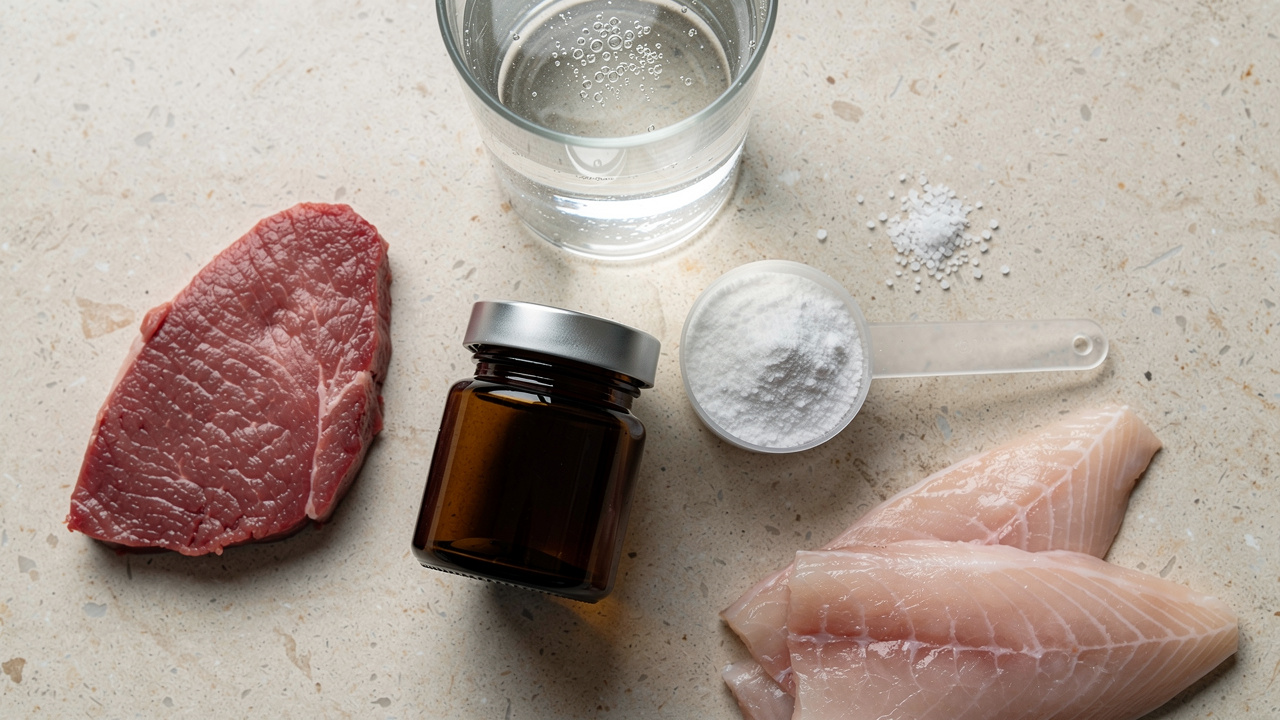
Creatine is a small nitrogen-containing compound that the body makes from three amino acids – glycine, arginine, and methionine. Most of this synthesis takes place in the liver and kidneys, with a smaller contribution from the pancreas. Once produced, creatine is released into the bloodstream and taken up by tissues that need large amounts of energy.
Around 95% of total body creatine sits in skeletal muscle. The remaining 5% is found in the brain, testes, and other organs. Inside muscle, creatine exists either as free creatine or as phosphocreatine, its high-energy storage form. This split is important, because the balance between the two determines how fast the muscle can regenerate ATP during intense effort.
Diet contributes extra creatine on top of internal production. Red meat and seafood are the main natural sources, providing roughly 1–2 grams per day in a typical omnivorous diet. Even with regular meat intake, however, muscle stores sit at only about 60–80% of their theoretical maximum. Supplementation raises this closer to full saturation, which is where clear performance benefits begin to appear.
People who avoid meat and fish, such as vegetarians and vegans, tend to have lower baseline muscle creatine levels. When they supplement, their increase in muscle creatine is often larger and faster than that of meat-eaters. For manufacturers, this makes plant-based consumers a particularly responsive group, provided the product carries suitable vegan claims.
From an energy standpoint, creatine is central to the ATP–phosphocreatine system. This is the body’s first-choice pathway for supplying energy during efforts that last up to about 10 seconds – heavy lifts, short sprints, jumps, and acceleration. Because this mechanism is so well mapped, creatine is one of the few supplement ingredients where biochemical understanding, human performance data, and practical dosing guidelines align cleanly. For developers aiming to build credible performance products, that makes creatine a backbone ingredient worth close attention.
How Creatine Works – The Mechanism Of Action Explained

Every muscle contraction relies on ATP, which releases energy when it loses a phosphate group and becomes ADP. The catch is that muscles only store enough ATP to power maximal work for a few seconds. Unless ATP is quickly restored, force output drops and fatigue sets in.
This is where phosphocreatine comes in. Inside muscle cells, creatine is converted to phosphocreatine by the enzyme creatine kinase. Phosphocreatine acts as a high-energy reserve. When ATP levels start to fall during intense exercise, phosphocreatine donates its phosphate group to ADP. This rapidly rebuilds ATP, again through creatine kinase, and lets the muscle keep working hard for a little longer.
Without extra creatine, this system runs at a limited capacity. With supplementation, the total pool of creatine and phosphocreatine inside muscle increases. That higher pool means the muscle can regenerate ATP more quickly and for a slightly longer period before needing to fall back on slower energy systems such as glycolysis and oxidative metabolism.
For the athlete or active consumer, the practical effects are clear:
there is a delay in the onset of muscular fatigue during short, repeated high-intensity efforts
energy stores recover faster between sets or sprints, so performance stays higher across the whole session
the person can complete more total work over weeks and months of training
From a product development perspective, this mechanistic story is valuable. It allows manufacturers to connect label claims such as “supports strength and power” or “helps increase training volume” to a clear, well-established biochemical pathway. When combined with human trial data, this lets brands craft claims, education material, and sales narratives that are both persuasive and well grounded in science.
Evidence-Based Benefits Of Creatine Supplementation
A large body of research supports the use of creatine across strength, power, body composition, recovery, and, increasingly, cognitive outcomes. Segmenting these benefits helps manufacturers match claims to target users and product concepts.
Increased Muscle Mass And Hypertrophy
When creatine supplementation is combined with structured resistance training, gains in lean mass are consistently higher than with training alone. Many studies report that users can gain up to twice as much lean body mass over several weeks compared with non-users following the same programme. This effect is not simply “water weight”; it reflects a mix of real muscle growth and healthy cellular hydration.
There are three main drivers of this hypertrophy effect:
Increased Work Capacity
Because creatine delays fatigue in high-intensity sets, users are able to perform more repetitions or add extra sets at a given load. Over time, this extra volume provides a stronger stimulus for muscle adaptation.Cell Volumisation
Creatine is osmotically active, so it pulls water into muscle cells. This raises intracellular hydration, giving muscles a fuller look. More importantly, this swelling seems to act as a signal that supports protein synthesis and may reduce protein breakdown.Fibre-Type Sensitivity
Fast-twitch (Type II) fibres, common in upper body muscles such as the chest and shoulders, depend heavily on the ATP–phosphocreatine system. These fibres therefore respond particularly well to higher creatine levels.
For brands targeting physique and bodybuilding segments, these points fit well with consumer goals for upper body development. It is also important to explain that the water shift is mainly inside muscle cells, not under the skin, so creatine does not cause the bloated look many consumers worry about.
Greater Strength And Power Output
Strength and power gains are among the most consistent outcomes seen with creatine use. Across short- and long-term trials, improvements of around 5–15% in maximal strength are common. In some studies using trained lifters, increases in key lifts such as the bench press have been even larger.
The mechanism matches the biology described earlier. With more phosphocreatine available, the neuromuscular system can sustain peak force across more repetitions and sets. Over weeks, this leads to faster progress in the loads an athlete can handle in compound movements. For sports that rely on explosive efforts – Olympic lifting, powerlifting, sprinting, jumping, and throwing – this is commercially significant.
From a formulation standpoint, this positions creatine as an essential ingredient in any product pitched at strength and power athletes. It also justifies its inclusion in pre-workout blends where the main promise is about lifting heavier or moving faster, rather than only about focus or “energy”.
Improved Recovery And Reduced Fatigue

Creatine also supports recovery processes, which are central for consumers training multiple times per week. Hard resistance or interval sessions can deplete muscle glycogen stores by 30–40% or more. Replenishing those stores quickly is key for performance in the next session.
Research shows that taking creatine with carbohydrates after exercise can speed up glycogen resynthesis. Insulin released in response to carbohydrate intake appears to help move more creatine and glucose into muscle cells at the same time. For brands, this makes creatine a smart addition to post-workout recovery products that already contain carbohydrates and protein.
Beyond glycogen, creatine helps athletes cope with planned high-volume training blocks. During phases of deliberate overload, where fatigue rises, creatine users often report better session quality and less drop-off in performance. Some endurance data also support its role in reducing fatigue; for example, marathon runners taking creatine have recorded lower feelings of tiredness after long runs. These points back up claims around recovery, not only raw strength, which can appeal to a broader active lifestyle audience.
High-Intensity And Anaerobic Exercise Capacity
Many sports involve repeated bursts of high-intensity movement with short rests. Football, rugby, basketball, hockey, martial arts, and popular HIIT-style classes all fit this pattern. In such settings, creatine works well because it supports faster restoration of phosphocreatine between efforts.
Studies on trained football players show this clearly. After a short loading phase, players performing repeated sprint tests over 15 metres with 30 seconds rest between efforts maintained their speed better and recovered faster between sprints. The gap between early and late sprints narrowed, showing that creatine reduced the usual decline in power output.
For team sport and conditioning products, these benefits are valuable. They justify claims around repeated-sprint ability, high-intensity capacity, and performance in intermittent sports. From a commercial angle, this widens creatine’s reach beyond traditional “gym-only” users into club athletes, school sports programmes, and recreational team players who want to feel fresher deep into games.
Emerging Benefits – Cognitive Health And Aerobic Performance
In recent years, interest has grown around creatine’s role in the brain. The brain uses large amounts of energy and also relies on ATP and phosphocreatine to support that demand. Early research suggests that creatine supplementation can support aspects of cognitive function such as memory, reaction time, and resistance to mental fatigue, particularly under stress or sleep loss.
These effects appear stronger in people with lower starting creatine levels, such as vegetarians and older adults. For manufacturers, this points to a promising niche for nootropic formulas and “brain plus body” products where creatine is present at lower, support-level doses alongside other cognitive actives.
There is also evidence that creatine may help raise the aerobic threshold and support performance in hot environments. By supporting cellular hydration and energy buffering, creatine can help the body cope with heat stress and long-duration efforts. This strengthens the case for its inclusion in endurance products, especially for use in tropical climates such as Malaysia and the wider Southeast Asian region.
Sports nutrition researcher Dr. Eric Rawson has commented that creatine’s potential in areas like ageing and brain health “may be just as important as its effects on athletic performance,” highlighting new directions for product innovation.
Creatine Dosage – Loading, Maintenance, And Timing Protocols
Clear dosing guidelines are one of creatine’s strengths from a product development point of view. Protocols are simple, well tested, and easy to explain on pack and in marketing materials.
The Loading Protocol – Achieving Rapid Saturation
A loading phase is a short period where consumers take a higher daily dose to raise muscle creatine stores quickly. With loading, muscles reach near-maximal saturation within about a week. Many users then notice performance changes sooner, which can help with satisfaction and compliance.
The most common loading method is 20 grams of creatine per day for 5–7 days. This daily amount is usually divided into four 5-gram servings spread across the day. Splitting the dose in this way helps reduce the risk of stomach discomfort, which can appear when single doses are very large.
An alternative is to calculate the dose based on body weight – around 0.3 grams of creatine per kilogram of body weight per day for at least three days. This approach, often cited by sports nutrition bodies, gives a similar total intake while adjusting for larger or smaller users. For manufacturers, including both a simple fixed-dose option and a weight-based guideline on product materials can support better consumer understanding without adding confusion.
The Maintenance Protocol – Sustaining Higher Stores
Once the loading phase is complete, there is no need to keep intake that high. The body naturally breaks down and replaces about 1–2% of its creatine stores each day. A much smaller daily dose is enough to top up what is lost and keep stores near saturation.
The standard maintenance dose is 3–5 grams per day. This level has been shown to keep intramuscular creatine high in the long term. It should be taken every day, not just on training days, because depletion continues even when a person is resting.
There is no clear evidence that cycling creatine on and off provides any benefit for healthy users. Long-term studies support continuous use at maintenance doses without harm. For brands, recommending steady, daily use is both scientifically sound and easy for consumers to follow, and it avoids the complexity of “on” and “off” schedules.
Loading Vs No Loading – A Practical Comparison
Not every consumer wants, or needs, to follow a loading phase. From a scientific point of view, loading and no-loading approaches both lead to the same endpoint: full saturation of muscle creatine stores. The difference lies mainly in how quickly this state is reached.
With a loading phase, saturation is reached in about one week, and noticeable performance changes often appear shortly after. This suits athletes preparing for competition or highly motivated users keen to see fast changes in strength or training volume. The trade-off is a slightly higher risk of mild gastrointestinal discomfort during the loading days, especially in people with sensitive stomachs.
Skipping loading and starting directly with a 3–5 gram daily dose still works. In this case, saturation takes around three to four weeks instead of one, but there is less chance of stomach upset because daily intake is lower. Many everyday gym-goers and lifestyle users prefer this slow-and-steady path. For manufacturers, it is helpful to explain both methods on labels or in digital guides so that users can pick the approach that best suits their goals and tolerance.
Timing Considerations – When To Take Creatine
A common question from consumers is “When should I take creatine?” Research suggests that timing is less important than consistency, but there are still practical points worth sharing in product materials.
Taking creatine before a workout can be convenient when it is part of a pre-workout drink. Users associate that drink with “getting ready to train”, and adding creatine fits neatly into that habit. Some people also like the idea of entering a session with high creatine availability, even though total muscle stores change slowly.
Post-workout intake has its own logic. After exercise, blood flow to muscles is higher and insulin sensitivity is raised. When creatine is taken with carbohydrates and protein in a recovery shake, this may help move more of it into muscle. For products focused on recovery and glycogen refilling, this window is therefore a natural fit.
The main message, however, is that daily consistency matters far more than exact timing. Whether creatine is taken in the morning, before training, after training, or in the evening, the key is to take it every day, including rest days. This point should be made clearly in instructions so that users do not stop on non-training days and let their muscle stores drift down.
Forms Of Creatine – Choosing The Right Type For Your Formulation
Choosing the right creatine type and format is an important decision for any manufacturer. The science points strongly in one direction for most use cases, but consumer expectations and product format also play a role.
Creatine Monohydrate – The Gold Standard
Creatine monohydrate is by far the most studied form of creatine. Hundreds of peer-reviewed papers have tested it for effects on strength, power, body composition, recovery, and longer-term safety. Across this large pool of data, creatine monohydrate consistently performs well.
For manufacturers, creatine monohydrate offers several clear advantages:
Its efficacy is well established, so performance and recovery claims can draw on a deep research base.
Its safety has been followed in many different populations, including adults, older people, and younger athletes, which reassures both regulators and consumers.
It is relatively simple and cost-effective to produce at high purity, which helps with pricing and margin management.
Regulators in most markets, including Malaysia, are familiar with creatine monohydrate as a supplement ingredient. This familiarity can make dossier preparation and claim review more straightforward compared with newer or less-tested variants. For these reasons, creatine monohydrate usually represents the most sensible default choice for new products, unless a very specific technical need points elsewhere.
Alternative Forms – Micronised, Ethyl Ester, And Kre-Alkalyn
Over the years, several alternative creatine forms have appeared, often supported by marketing promises of better absorption or fewer side effects. The most common variants are micronised creatine, creatine ethyl ester, and buffered creatine products such as kre-alkalyn.
Micronised creatine is essentially creatine monohydrate that has been processed to reduce particle size. This does not change its chemistry, but it can help it disperse and dissolve more easily in water. For ready-to-drink formats or powders where consumers dislike sediment, this smaller particle size can be a practical advantage. Some users with sensitive digestion also report better comfort with micronised products.
Creatine ethyl ester and kre-alkalyn are different. They are marketed as forms that absorb “better” or require smaller doses. However, independent studies have not confirmed these claims. In some cases, these forms appear less stable in the stomach, breaking down more quickly to creatinine, which does not provide the same benefits. From a scientific and value point of view, they rarely offer a strong case over standard monohydrate.
For formulators, the main takeaway is that alternative forms can be considered where specific handling or sensory properties are needed, but they should not be chosen on the assumption of superior physiological effects. Any such claims would need very strong supporting data, which are currently lacking.
Delivery Formats – Powder Vs Tablets And Capsules
Beyond the chemical form, manufacturers must decide how creatine will be delivered to the consumer. Powders, tablets, capsules, and ready-to-drink products all have advantages and constraints.
Powders remain the most common option. They allow flexible dosing and can be sold as stand-alone creatine or as part of pre-workout, intra-workout, or recovery blends. Unflavoured powders are easy to combine with other actives and flavour systems. For powdered drinks, particle size and processing should be managed to avoid settling and a gritty mouthfeel, especially for consumers who prefer clear beverages.
Tablets and capsules appeal to consumers who want convenience and dislike mixing drinks. They offer fixed doses and are easy to carry. The main limitation is dose size; reaching 3–5 grams often requires several capsules, so labels must communicate this clearly. Some brands address this by positioning creatine capsules at lower, “support” doses, especially in multi-ingredient products.
Ready-to-drink (RTD) beverages create extra technical demands. Creatine has limited stability in aqueous, acidic environments, especially over long shelf lives at warm temperatures. It can slowly convert to creatinine, which does not provide the same benefits. For brands interested in RTD formats, approaches such as pH control, protective packaging, or two-part “powder-in-cap” systems can help manage this issue, and partners like FC Materials Sdn Bhd can advise on ingredient interactions based on experience with other active compounds.
Safety Profile And Side Effects – What The Evidence Really Shows
Creatine’s safety record is one of the strongest among sports and performance supplements. Decades of studies in many groups have built a clear picture of how it behaves in the body and what users can realistically expect.
Commonly Reported Side Effects And How To Manage Them
Most people tolerate creatine very well, but a minority report mild side effects, especially when they start a high-dose loading phase. The most common complaint is gastrointestinal discomfort such as stomach cramps, loose stools, or a feeling of fullness when large single doses are taken.
Manufacturers can help manage this by recommending that any loading dose be split into several smaller servings across the day and taken with meals. This approach keeps the amount present in the gut at any one time lower and is often enough to prevent discomfort. Where brands offer micronised creatine, they can also mention that some users find this format easier on the stomach.
Another common observation is a small, early increase in body weight of around 1–2 kilograms. This is not fat gain. It reflects the movement of water into muscle cells as creatine levels rise, which is part of the desired action. Clear explanation on pack and in education materials can prevent consumers from misreading this as “bloating” or a negative effect.
Overall, when directions are followed, creatine is one of the best tolerated active ingredients in sports nutrition. Framing side effects honestly, while showing how simple behaviour changes can reduce them, builds trust and supports continued use.
Addressing Persistent Myths About Creatine Safety
Several myths about creatine still appear in consumer discussions and, at times, even among healthcare professionals. These concerns often slow adoption, so brands benefit from addressing them directly with simple, evidence-based messages.
The main myths include:
“Creatine damages the kidneys or liver.”
Long-term human studies in healthy users do not support this. Across trials that have followed people for months or years on recommended doses, markers of kidney and liver function have stayed within normal ranges. For individuals who already have diagnosed kidney disease, caution and medical advice are sensible, but this is standard for many nutrients, not a sign of unusual danger.“Creatine causes dehydration and muscle cramps.”
This belief arose in part because creatine draws water into muscle cells, and early anecdotal reports linked it to cramping. Controlled research, however, suggests the opposite. By improving intracellular hydration, creatine use has been associated with lower rates of cramping and better performance in heat in several studies.“Creatine causes bloating or a puffy look.”
The extra water is mainly inside muscle cells, where it supports function and gives muscles a slightly fuller look. There is no strong evidence that creatine leads to problematic subcutaneous water retention under the skin. Explaining the difference between intracellular and extracellular water in simple terms can reassure appearance-focused users.
For manufacturers, providing these myth-focused points in FAQs, brochures, and website content helps both consumers and retail staff handle common objections with calm, factual answers.
As the International Society of Sports Nutrition summarises, “creatine monohydrate supplementation is safe and effective when taken within recommended guidelines for healthy individuals.” This type of statement can be very helpful in educational materials.
Long-Term Safety And Regulatory Considerations For Manufacturers
From a regulatory and brand-protection point of view, creatine’s long-term safety data are an asset. Continuous use of creatine monohydrate at maintenance doses has been studied extensively and is considered safe for healthy adults. There is no clear evidence that transporter systems “switch off” or that cycling is needed to protect the body.
That said, labels should always carry sensible precautions. Typical wording advises people who are pregnant or breastfeeding, those taking prescription medicines, those with existing medical conditions, or anyone scheduled for surgery to discuss use with a healthcare professional. These statements align with expectations from bodies such as Malaysia’s National Pharmaceutical Regulatory Agency (NPRA) and other regulators in the region.
Manufacturers should also include standard disclaimers that the product is not intended to diagnose, treat, cure, or prevent disease, unless it is registered under a therapeutic category that allows specific claims. Third-party testing for purity, heavy metals, and banned substances is strongly advised, especially for products targeting competitive athletes. Here, a supplier such as FC Materials Sdn Bhd, with experience in compliant ingredient sourcing and documentation, can help brand owners structure their quality systems and regulatory files more efficiently.
Target Markets And Commercial Opportunities For Creatine-Based Products

Although creatine is often associated with bodybuilders, its potential market is much wider. Understanding these different segments helps manufacturers design product portfolios and messaging that speak to real consumer needs.
Core Markets – Athletes, Bodybuilders, And Fitness Enthusiasts
The most established market for creatine includes strength and power athletes, physique competitors, and regular gym-goers who follow structured resistance training. These consumers are usually well informed about supplements and actively look for ingredients that deliver visible and measurable performance changes.
They often prefer clear, no-nonsense products such as pure creatine monohydrate powders or capsules, as well as pre-workout and recovery formulas where creatine is a key active rather than a trace inclusion. Transparent labels, clear dosing instructions, and visible quality badges such as Halal status and banned-substance testing go a long way for this group.
For Malaysian and regional brands, this segment is already familiar with creatine and often compares products online. Working with a reliable ingredient partner and offering data-backed claims can help your brand stand out in a space where many products look similar on the surface.
High-Growth Segments – Vegetarians, Vegans, And Ageing Populations
Two newer segments are showing strong interest in creatine-based products: plant-based consumers and older adults concerned about strength and function.
Vegetarians and vegans consume little or no creatine from diet, since the main sources are meat and fish. Studies show that when these consumers take creatine, their muscle levels rise more than in meat-eaters, and performance benefits can be especially marked. Products aimed at this group should be clearly labelled as vegan, and co-formulation with plant proteins and other plant-based actives makes both practical and marketing sense.
Ageing populations face gradual loss of muscle mass and strength, known as sarcopenia. This can affect mobility, independence, and quality of life. Research suggests that creatine, combined with regular resistance training, can help older adults maintain muscle mass and function better than training alone. For nutraceutical brands, creatine-containing products designed for “healthy ageing”, strength maintenance, and fall risk reduction are a promising category, especially in markets like Malaysia where the older population is growing steadily.
Emerging Opportunities – Cognitive Health And Functional Foods
As mentioned earlier, creatine is now gaining attention in cognitive health and functional food settings. This opens up formats and channels beyond the supplement aisle.
In cognitive health and nootropic products, creatine can be included at modest doses alongside ingredients such as certain botanicals, B-vitamins, and omega-3s. Target groups include students, busy professionals, and older adults seeking support for mental clarity and resilience under stress. For plant-based cognitive products, creatine appeals strongly to vegetarians and vegans who may not obtain much from diet.
Functional foods and beverages are another key growth area. Integrating creatine into protein bars, ready-to-mix meal replacement powders, bakery items, or RTD sports drinks allows active consumers to top up their creatine intake as part of daily eating patterns. Regional manufacturers can combine this with local flavours and formats to suit Malaysian preferences. While technical hurdles such as stability in liquids need careful handling, they also create space for brands that work closely with experienced ingredient and formulation partners.
Formulating With Creatine – Product Development And Synergistic Ingredients
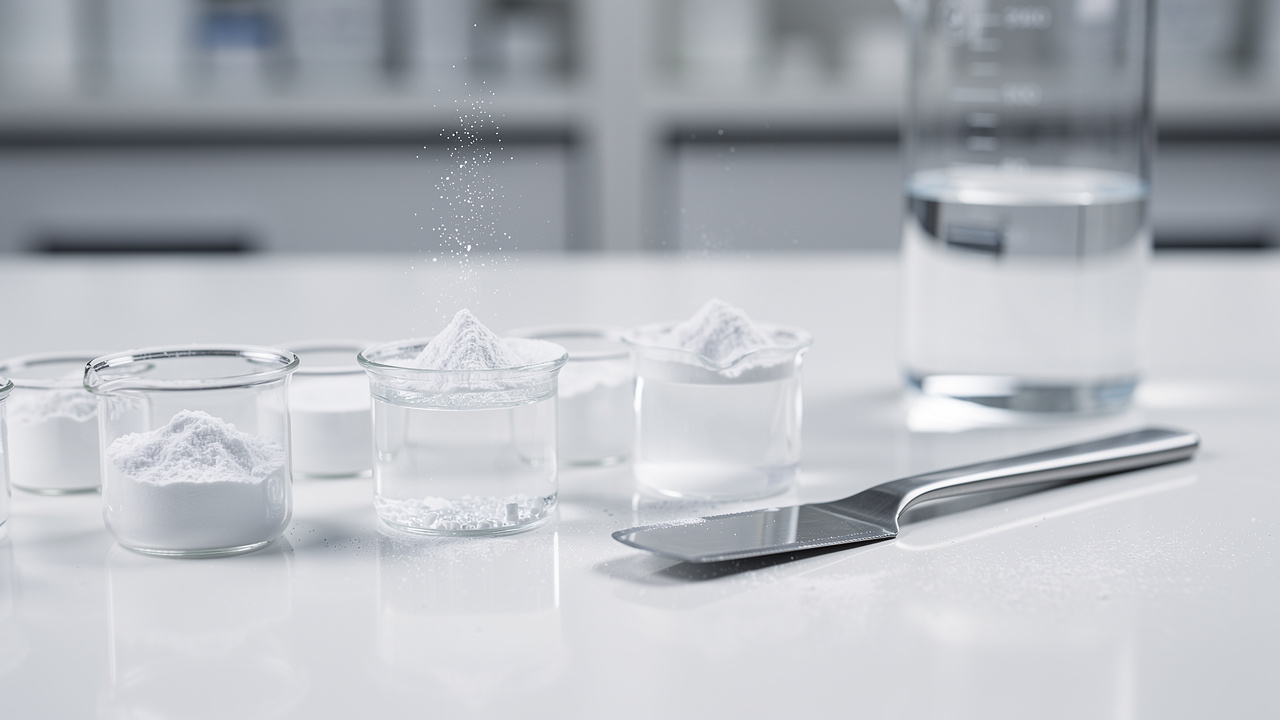
Turning creatine science into successful products means thinking about format, co-ingredients, and processing from the start. Good design here supports both performance and consumer experience.
High-Impact Product Formulations
Several product types have strong track records in the creatine category. The first is the simple, stand-alone creatine monohydrate product, usually a powder. When backed by proof of purity, Halal certification, and clear dosing guidance, this kind of product appeals to serious athletes and informed gym users who want control over their intake.
Pre-workout blends are another high-impact format. In these, creatine sits alongside caffeine for alertness, beta-alanine for buffering during hard efforts, and ingredients such as citrulline malate to support blood flow. The positioning here is usually around strength, power, and training intensity, which fits well with creatine’s profile.
Post-workout recovery shakes containing protein, fast-digesting carbohydrates, creatine, and sometimes BCAAs allow brands to address muscle repair and glycogen replenishment in one product. These combinations are easy to explain and appeal to consumers who prefer a simple two- or three-scoop routine rather than managing many separate products.
A useful guideline for formulators is: “Design the product around how your consumer actually trains and eats, not around a list of ingredients.” Creatine fits especially well when you keep that habit-based view in mind.
Synergistic Ingredients – Supporting Creatine’s Efficacy
Certain nutrients work particularly well alongside creatine:
Fast-Acting Carbohydrates: Ingredients such as dextrose or maltodextrin stimulate insulin release, which in turn helps move both glucose and creatine into muscle cells. This is especially useful post-workout, when muscles are more sensitive and glycogen stores are depleted.
Proteins: Whey or carefully chosen plant blends complement creatine by supplying amino acids for muscle repair and growth. Some of these amino acids also support a modest insulin response, further helping nutrient uptake. Together, protein, carbohydrate, and creatine form a simple but very effective recovery trio.
Fluids And Electrolytes: Because creatine increases water content inside muscle cells, users should drink enough fluids across the day. Moderate use of electrolytes, especially in endurance or heat-exposed products, can support this hydration strategy without encouraging excessive intake.
Creatine does not compete with most other common sports actives for absorption, so it can be combined with a wide range of ingredients in both pre- and post-workout products without concern for negative interactions.
Experienced ingredient partners like FC Materials Sdn Bhd, which already support manufacturers with proteins, amino acids, and functional carbohydrates, can help you design these synergies thoughtfully and in a way that aligns with local regulatory expectations.
Key Technical Considerations For Manufacturers
From a technical perspective, creatine brings several formulation challenges that developers should weigh early in the design process.
Solubility: Creatine monohydrate dissolves only moderately in cold water. Micronised powders and suitable processing steps can improve mouthfeel, especially for clear or lightly flavoured drinks.
Stability In Liquids: In low-pH drinks stored for long periods, creatine can slowly degrade to creatinine. Brands aiming for RTD formats need to consider pH adjustment, protective packaging, reduced shelf-life expectations, or innovative delivery systems that keep creatine dry until just before use.
Taste And Mouthfeel: At usual doses, creatine monohydrate has little flavour impact, though higher concentrations can add slight bitterness or dryness. This is easily handled with flavour systems and sweeteners already familiar to beverage and supplement manufacturers.
Taking these points into account early reduces reformulation work later and helps keep launch timelines realistic.
Conclusion
For manufacturers in Malaysia and across Southeast Asia, creatine stands out as one of the clearest ingredient opportunities in sports and health nutrition. It combines strong scientific support, simple and well-understood mechanisms, practical dosing that consumers can follow, and a safety profile that regulators and healthcare professionals accept when used correctly.
The benefits are wide-ranging. Creatine helps support muscle hypertrophy, strength, and power, while also playing a role in recovery, high-intensity performance, and, increasingly, cognitive health and healthy ageing. Creatine monohydrate, particularly in micronised form where needed, remains the first choice for most applications due to its data, safety, and cost advantages.
Market potential now extends far beyond bodybuilders into plant-based consumers, older adults, team sport athletes, and active professionals looking for both physical and mental performance support. For brands in these spaces, creatine-containing products can anchor portfolios that speak to several consumer needs at once.
When you are ready to explore creatine-based formulations or to integrate creatine alongside other evidence-backed actives, having a reliable ingredient partner is vital. FC Materials Sdn Bhd supports manufacturers with high-quality raw materials, Halal and regulatory know-how, and a problem-solving approach to formulation and supply. To discuss how creatine and complementary ingredients can fit into your next product line, contact FC Materials Sdn Bhd and speak with the team about your sourcing and development requirements.
FAQs
Question 1 – What Is Creatine And What Does It Do?
Creatine is a naturally occurring compound that the body makes from glycine, arginine, and methionine in the liver, kidneys, and pancreas. Most of it is stored in skeletal muscle. There, it helps rebuild ATP quickly during short, intense efforts by topping up phosphocreatine stores. Supplementation raises muscle creatine above what diet and internal production alone can provide.
Question 2 – What Are The Proven Benefits Of Taking Creatine?
Research shows that creatine can increase muscle mass and support hypertrophy when combined with resistance training. It improves maximal strength and power, often in the range of 5–15% over baseline. Creatine also supports recovery through faster glycogen replenishment and better training tolerance in hard blocks. In addition, studies point to better repeated-sprint performance and early signals of cognitive and aerobic benefits.
Question 3 – How Much Creatine Should I Take Per Day?
A typical loading protocol uses 20 grams of creatine per day for 5–7 days, divided into four servings of about 5 grams. Another option is to take around 0.3 grams per kilogram of body weight per day for at least three days. After loading, a daily maintenance dose of 3–5 grams keeps muscle stores high. Skipping loading and starting directly with 3–5 grams per day works too, but full saturation then takes around three to four weeks.
Question 4 – Is Creatine Safe For Long-Term Use?
Extensive long-term research indicates that creatine monohydrate is safe for healthy individuals when taken at recommended doses. Studies do not show harm to kidney or liver function in people without pre-existing disease. As with all supplements, those who are pregnant or breastfeeding, taking medication, or managing medical conditions should check with a healthcare professional before use. There is no clear need to cycle creatine on and off for safety reasons.
Question 5 – Does Creatine Cause Water Retention Or Bloating?
Creatine pulls water into muscle cells, which increases intracellular water and supports performance and muscle fullness. This is different from subcutaneous water retention under the skin, which is what most people describe as bloating. The small weight gain often seen in the first week or two of use, usually around 1–2 kilograms, reflects this healthy shift in water balance rather than fat gain. Most users do not experience uncomfortable bloating when dosing correctly.
Question 6 – Which Form Of Creatine Is Best?
Creatine monohydrate is considered the best choice for most consumers and manufacturers. It has the strongest evidence base, the longest safety record, and a cost profile that works well in many product formats. Other forms such as creatine ethyl ester or buffered creatine have not shown better results in independent research. Micronised creatine monohydrate can be a helpful variant where improved dispersion and mouthfeel are important, especially in drink mixes and RTD concepts.