
Check the ingredient list on nearly any packaged snack, sports drink, or sauce, and there’s a good chance maltodextrin is on it. It’s one of the most widely used food additives in the world, and also one of the most searched, largely because consumers keep asking the same question: is it actually bad for you?
What Is Maltodextrin?
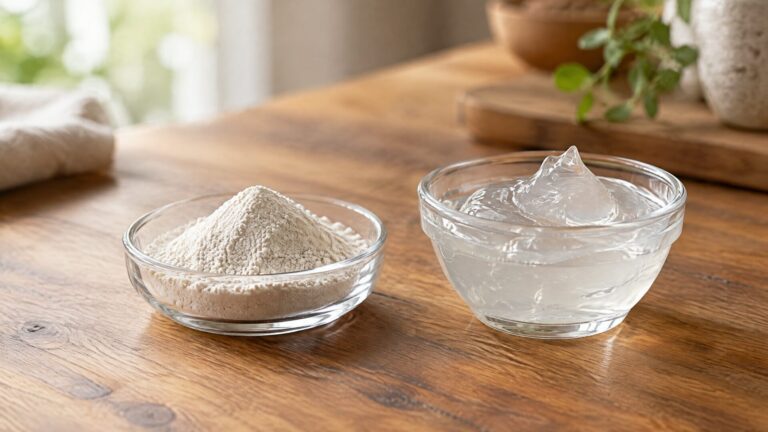
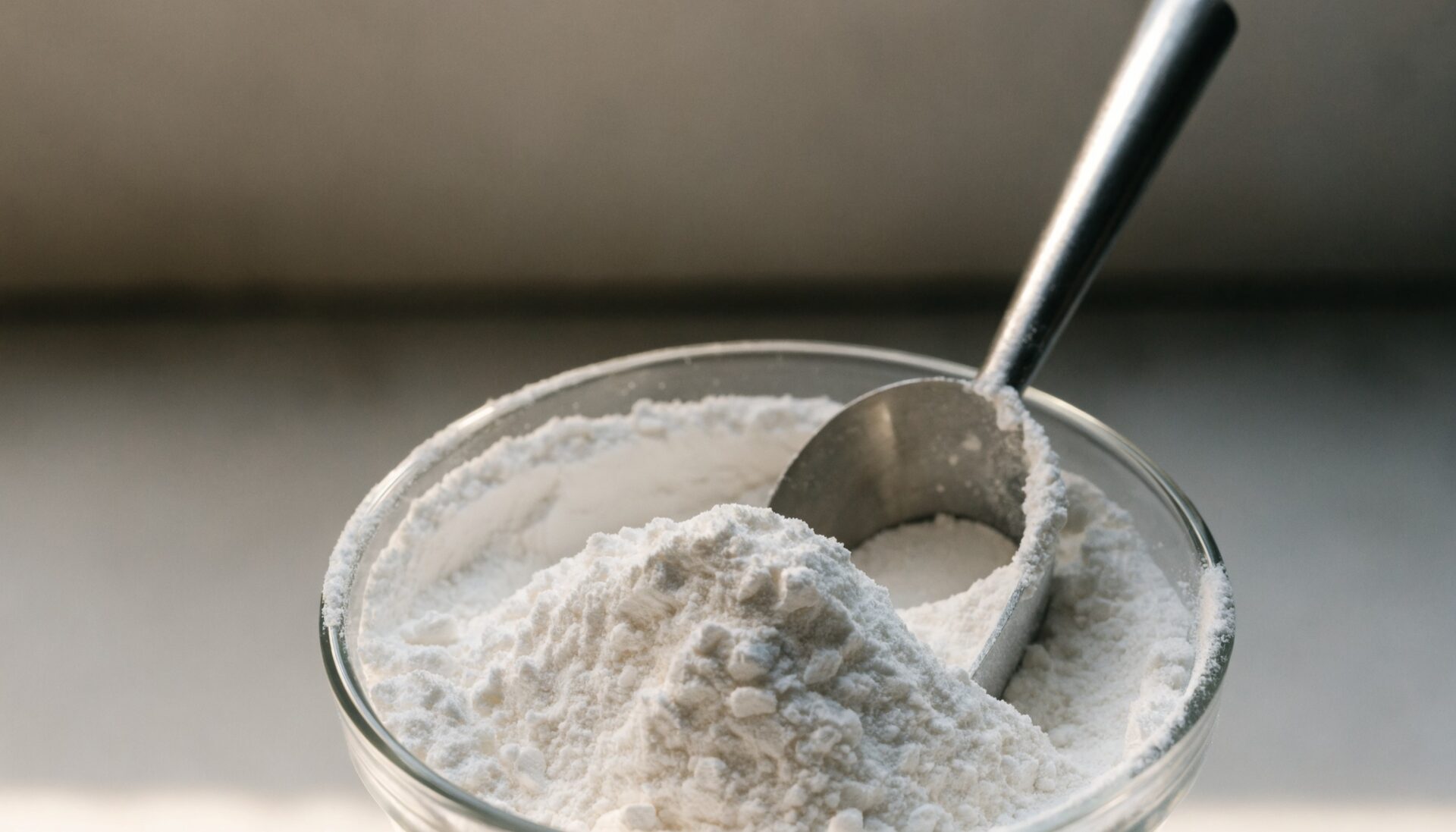
Maltodextrin is a white, water-soluble powder made by partially hydrolyzing starch, typically from corn, rice, potato, or wheat. The starch is broken down into shorter carbohydrate chains using acids or enzymes, producing a mild-tasting, easily digestible ingredient that dissolves readily in liquids. Because it’s derived from starch rather than sugarcane or beets, maltodextrin is classified as a carbohydrate rather than a sugar, though it behaves similarly to sugar in the body.
Common Uses of Maltodextrin
- A rapid carbohydrate source in sports drinks and energy gels, valued for quick absorption during exercise
- A thickener in sauces, dressings, and gravies, improving texture and preventing ingredient separation
- A bulking filler in low-fat and low-calorie foods, replicating the mouthfeel of full-fat versions
- A carrier or anti-caking agent for powdered flavorings, spice blends, and artificial sweeteners
Is Maltodextrin Bad for You?
For most healthy people consuming it in typical food-additive amounts, maltodextrin is not considered harmful and is classified as Generally Recognized as Safe (GRAS) by the FDA. The concerns that do come up are specific rather than universal: maltodextrin has a high glycemic index, often higher than table sugar, so it can cause a rapid spike in blood sugar, which matters most for people with diabetes or insulin resistance. It also provides calories with essentially no nutritional value, so it’s a relevant consideration in calorie-conscious or blood-sugar-focused diets, though it does not have established links to cancer or serious organ damage at normal dietary intake.
Potential Health Considerations
Blood Sugar Impact
Maltodextrin’s high glycemic index means it’s digested and absorbed quickly, causing blood glucose to rise faster than many other carbohydrate sources, an important consideration for anyone monitoring blood sugar.
Gut Microbiome Research
Some emerging research has explored whether maltodextrin may alter gut bacteria composition in ways that could affect digestive health, an area of ongoing scientific interest rather than settled conclusion.
Digestive Sensitivity
A minority of people report bloating, gas, or abdominal discomfort after consuming maltodextrin-containing foods, which may reflect individual sensitivity rather than a broader safety concern.
Common Forms Used in Formulation
- Corn-derived maltodextrin, the most widely available and cost-effective form
- Rice or potato-derived maltodextrin, used where corn-free or allergen-specific labeling is required
- Tapioca-derived maltodextrin, a gluten-free option favored in clean-label formulations
- Non-GMO and organic-certified maltodextrin, increasingly requested for clean-label positioning
Sourcing and Quality Considerations for Manufacturers
Buyers should request a certificate of analysis confirming dextrose equivalent (DE) value, the standard measure of a maltodextrin’s degree of hydrolysis and sweetness, along with source material and non-GMO documentation where relevant. Corn-derived maltodextrin dominates the market for cost reasons, but tapioca and rice-derived versions are increasingly requested for allergen-sensitive and clean-label formulations.
Safety and Side Effects
Maltodextrin is well tolerated by most people at typical food-additive levels. Those managing diabetes, insulin resistance, or blood sugar sensitivity should be mindful of its glycemic impact, and individuals with corn allergies should confirm the source material before use, since corn-derived maltodextrin is the most common form on the market.
Frequently Asked Questions
Is maltodextrin bad for your liver or kidneys?
At typical dietary intake levels, maltodextrin has not been shown to cause liver or kidney damage in healthy individuals; concerns are more relevant for people with existing metabolic or kidney conditions who should discuss dietary carbohydrate sources with their healthcare provider.
Does maltodextrin cause cancer?
No credible scientific evidence links maltodextrin consumption to cancer; this concern circulates online but is not supported by current research.
How much maltodextrin is safe per day?
There’s no official universal daily limit, since maltodextrin is treated as a food ingredient rather than a supplement with a set dose; moderation is advised particularly for those managing blood sugar, similar to guidance around added sugars generally.
What foods should I avoid if I want to limit maltodextrin?
Processed snacks, powdered drink mixes, protein powders, salad dressings, and low-fat packaged foods are the most common sources; reading ingredient labels is the most reliable way to identify and limit it.
Sourcing maltodextrin for your formulation?
FC Materials supplies corn, rice, and tapioca-derived maltodextrin for food, beverage, and supplement manufacturing. Two grades are stocked: food-grade maltodextrin as a bulking agent for beverages, bakery and confectionery, and a DE 3–20 spray-drying carrier grade for encapsulating sensitive actives. Tell us your product needs and our team will respond with specs, pricing, and MOQ.