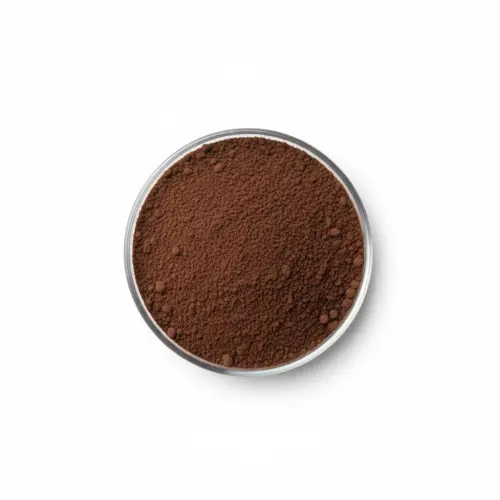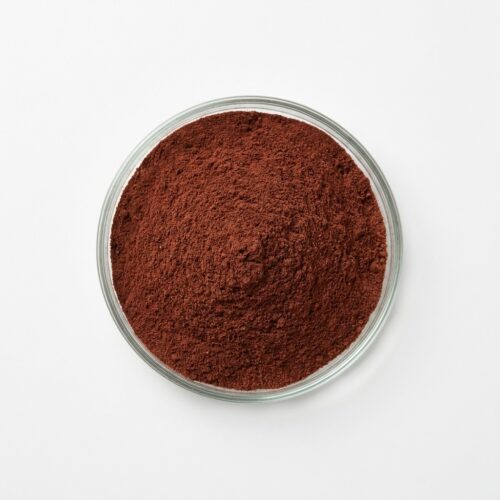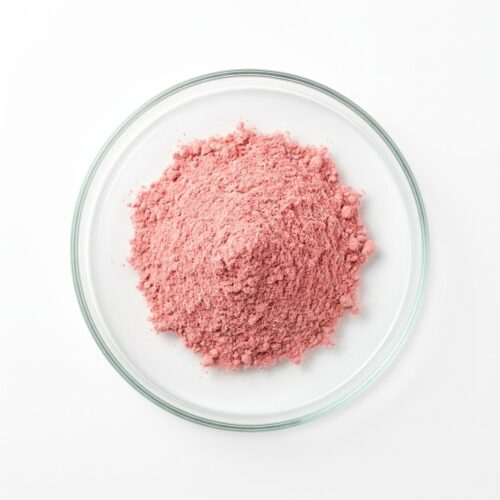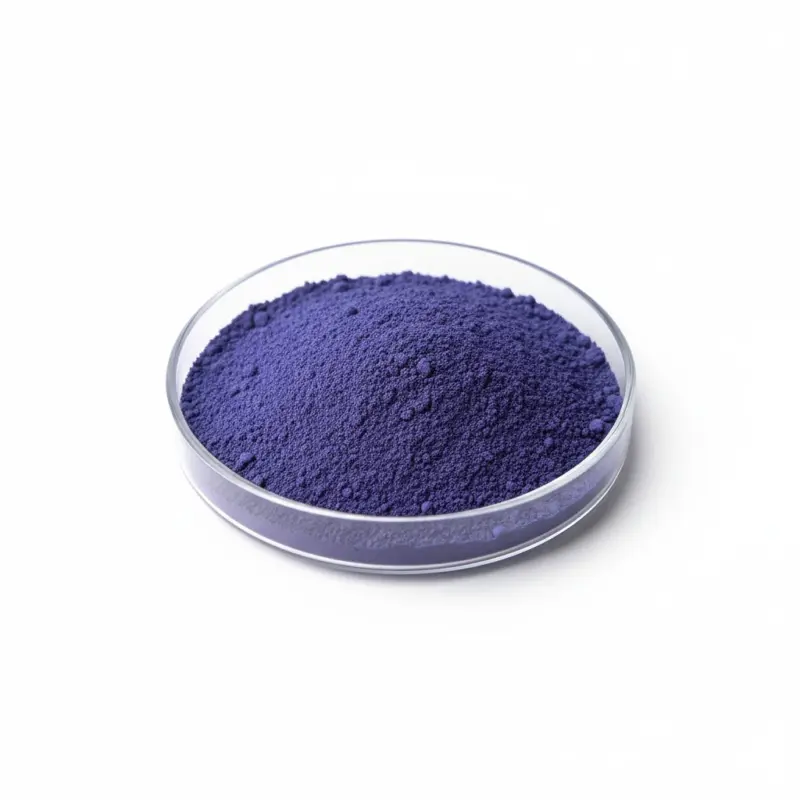
Butterfly Pea Powder is derived from the flowers of Clitoria ternatea, known for its rich natural blue pigment. This Halal-certified juice powder offers dual benefits as both a natural food colorant and a mild flavoring ingredient.
Its unique anthocyanin compounds provide a striking blue hue that changes to purple when mixed with acidic ingredients like lemon juice, making it a popular choice in innovative beverages and desserts. Beyond its visual appeal, Butterfly Pea Powder is also valued for its antioxidant properties.
Applications:
-
Beverages (teas, juices, cocktails, functional drinks)
-
Desserts & Confectionery (cakes, puddings, candies)
-
Dairy (yogurts, ice creams)
-
Functional foods & nutraceuticals (capsules, powders, blends)
Key Features & Benefits:
-
✅ 100% natural colorant and flavoring
-
✅ Rich in anthocyanins (antioxidant compounds)
-
✅ Halal-certified & food-grade quality
-
✅ Vibrant blue pigment, pH-sensitive color shift
-
✅ Suitable for beverages, desserts, and supplements
What gives the colour
The blue of butterfly pea (Clitoria ternatea) comes from ternatins, a group of anthocyanins built on delphinidin. They are unusually stable for anthocyanins because of their acylated structure. The colour depends on pH: blue near neutral, shifting through purple to pink and red as acidity rises. This colour change is useful in drinks, but it means the final colour must be checked at the product’s actual pH.
Powder or extract
Butterfly pea is sold as dried flower powder, as spray-dried powder on a carrier such as maltodextrin, and as concentrated extracts. Colour strength varies a great deal between them. Ask for a colour value or absorbance figure measured at a stated pH, rather than relying on appearance.
Stability
Like other natural colours, butterfly pea fades with heat, light and long storage, and can shift with metal ions. Run colour stability on the finished product over its shelf life. Other natural colours in the range include Purple Potato Powder and Sodium Copper Chlorophyllin.
Regulatory status
Whether butterfly pea can be used as a colour, and in which foods, differs by market. Check the permitted use in each target country before labelling it as a colour.
What the research says
- Human research is limited to two small single-dose studies from one Thai research group. [1][2]
- In a 2018 crossover trial, 15 healthy young men drank 50 g of sucrose with or without 1–2 g of butterfly pea flower extract. Glucose and insulin 30 minutes later were lower with the extract. [1]
- In a 2021 study, 16 overweight or obese men ate a high-fat meal with 0, 1 or 2 g of extract. The 2 g dose lowered the triglyceride response; glucose and inflammatory markers did not differ. [2]
- Plasma antioxidant measures rose in both studies. Both used a flower extract, not whole flower powder, and tested single doses only. [1][2]
These summaries describe published research on the ingredient. They are not claims for any finished product; claims on finished products must meet the rules of the market where they are sold.
References
- Chusak C, et al. Acute effect of Clitoria ternatea flower beverage on glycemic response and antioxidant capacity in healthy subjects: a randomized crossover trial. BMC Complement Altern Med. 2018;18(1):6. doi:10.1186/s12906-017-2075-7
- Thilavech T, et al. Clitoria ternatea flower extract attenuates postprandial lipemia and increases plasma antioxidant status responses to a high-fat meal challenge in overweight and obese participants. Biology (Basel). 2021;10(10):975. doi:10.3390/biology10100975
What to ask for on the certificate of analysis
- Species, plant part (flower) and form (powder, spray-dried or extract)
- Carrier and its proportion, if any
- Colour value or absorbance, with the pH and method
- Moisture
- Heavy metals and pesticide residues
- Microbiology: total plate count, yeast and mould, E. coli, Salmonella
- Halal certificate, batch number, manufacture and retest dates