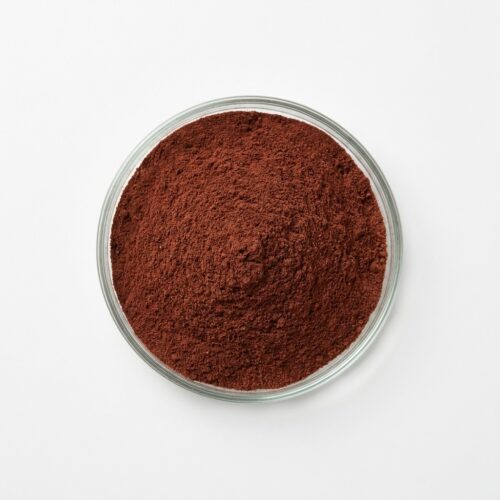
Purple Potato Powder is a natural vegetable powder derived from fresh purple sweet potatoes, processed into a fine, shelf-stable powdered form. This Halal-certified ingredient retains the distinctive earthy flavor, vibrant purple color, and rich nutritional profile of purple potatoes, making it a versatile ingredient for food, beverage, and specialty product formulations.
Naturally rich in anthocyanins, dietary fiber, and complex carbohydrates, Purple Potato Powder serves as both a natural coloring agent and a functional food ingredient. Its striking deep-purple hue makes it particularly popular in visually distinctive food and beverage products.
Applications:
- Beverages (smoothies, functional drink mixes, health juices)
- Bakery & Confectionery (purple-colored breads, cakes, cookies, mochi)
- Snacks & Seasonings (potato-flavored snack coatings, seasoning blends)
- Nutraceuticals (antioxidant supplements, fiber-enriched formulations)
Key Features & Benefits:
- ✅ Distinctive natural purple color from anthocyanins
- ✅ Rich in dietary fiber and complex carbohydrates
- ✅ Natural coloring and flavoring in one ingredient
- ✅ Halal-certified & food-grade quality
- ✅ Suitable for clean-label and natural product formulations
Purple sweet potato or purple potato
Purple sweet potato (Ipomoea batatas) and purple potato (Solanum tuberosum) are different plants, although both get their colour from anthocyanins. Confirm which one the powder is made from, because it affects the flavour, starch and labelling. For a blue colour from flowers, see Butterfly Pea Powder.
Colour that changes with pH
The anthocyanins in purple sweet potato are acylated, which makes them more stable to heat and light than many other anthocyanins. Their colour still depends on pH: reddish-purple in acidic products, purple near neutral and bluish to green in alkaline doughs. Test colour in your actual recipe, especially if baking soda is used.
Formulation notes
The powder is mostly starch, so it thickens when heated with water and contributes carbohydrate to the nutrition panel. Ask for the anthocyanin content if colour strength matters, and keep packs dry and dark.
What to ask for on the certificate of analysis
- Source species (Ipomoea batatas or Solanum tuberosum)
- Anthocyanin content or colour value, moisture and particle size
- Heavy metals (lead, arsenic, cadmium, mercury)
- Microbiology: total plate count, yeast and mould, E. coli, Salmonella
- Batch number, manufacture and retest dates; compliance with the food additive specification of your market (for example JECFA or the Malaysian Food Regulations)