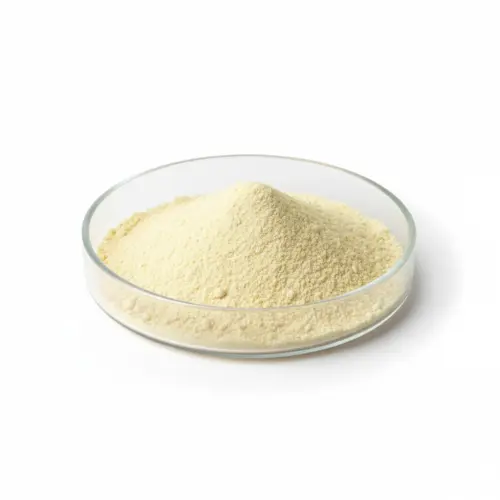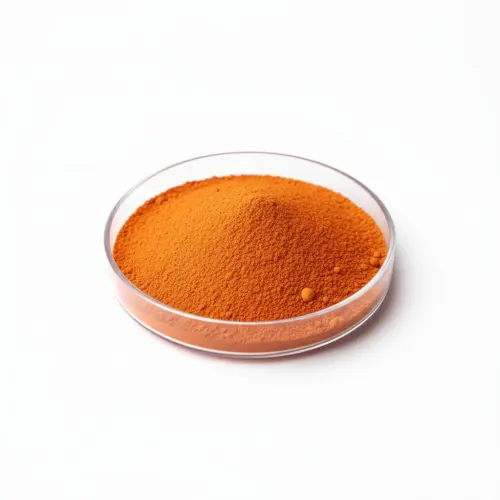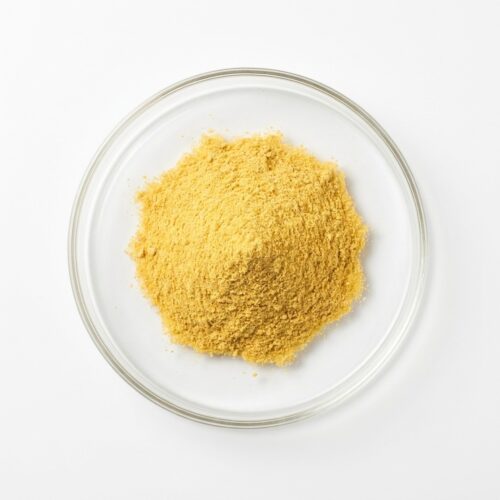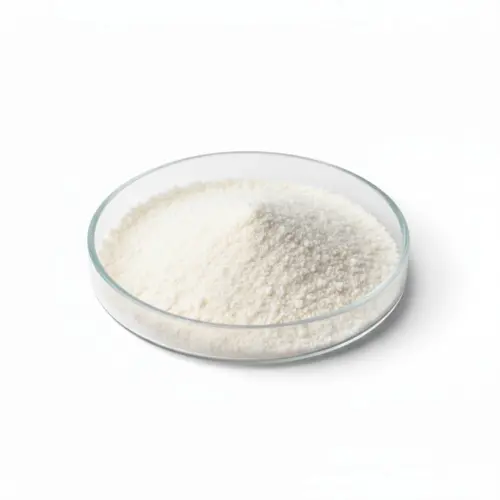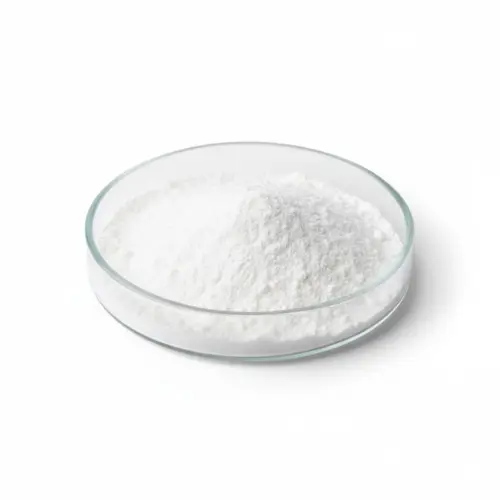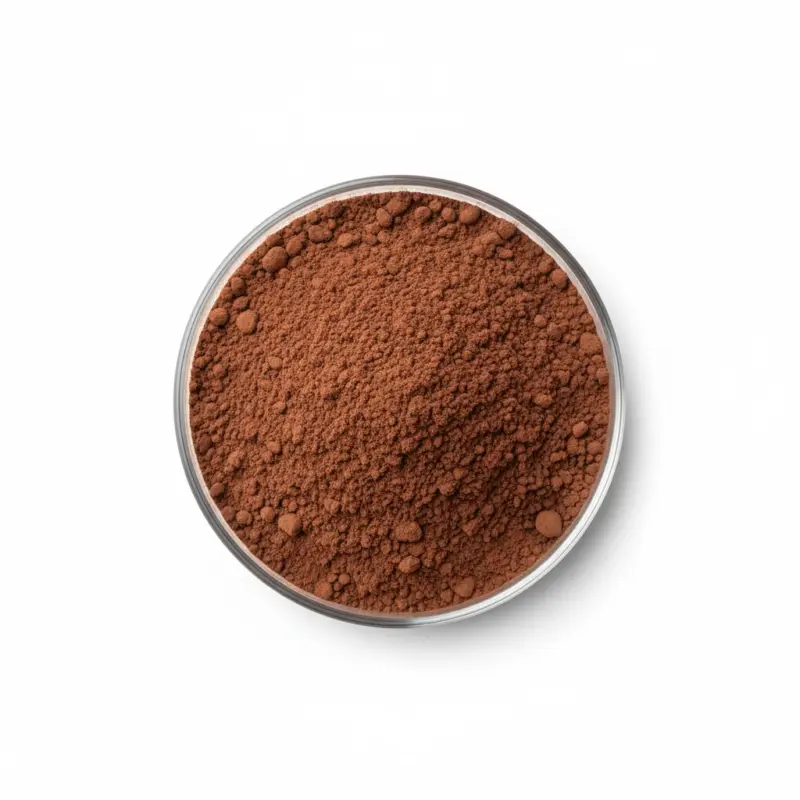
Cocoa Powder is a versatile juice powder and flavoring ingredient widely used in the food and beverage industry. Known for its rich chocolate flavor and aroma, it enhances the taste profile of a wide range of products while also contributing to color and texture.
This Halal-certified powder is processed to preserve the natural quality of cocoa, making it suitable for applications that demand both flavor intensity and consistent performance. It is highly valued in bakery, confectionery, dairy, and functional beverage formulations.
Applications:
-
Beverages (instant cocoa drinks, chocolate milk, smoothies)
-
Bakery & Confectionery (cakes, cookies, brownies, chocolates)
-
Dairy Products (ice creams, yogurts, desserts)
-
Nutraceuticals (flavored powders, supplements)
Key Features & Benefits:
-
✅ Natural cocoa flavor & aroma
-
✅ Enhances color and taste in formulations
-
✅ Halal-certified & food-grade quality
-
✅ Stable shelf-life and easy blending
-
✅ Widely used across food & beverage industries
Natural or Dutch-processed — decide this before anything else
Cocoa powder comes in two families and they are not substitutes. Natural cocoa is acidic and light brown, with a sharp fruity note. Dutch-processed (alkalised) cocoa has been treated to raise its pH, giving the deeper red-to-near-black colour and the smoother, mellower flavour most people associate with chocolate products. The difference is not cosmetic: natural cocoa reacts with baking soda to provide lift, while Dutched cocoa does not and needs baking powder instead. Swapping one for the other without changing the leavening is the single most common cause of a failed reformulation.
One trade-off worth knowing if the product carries a health position: alkalisation substantially reduces cocoa flavanol content. A darker, smoother powder is a less polyphenol-rich powder.
Fat content and formulation notes
Cocoa powder is traded by fat content, typically around 10–12% for low-fat grades and 22–24% for high-fat. Higher fat gives richer mouthfeel and deeper colour in dairy and bakery work; lower fat is cheaper and preferred where the formula supplies its own fat. Cocoa is also hydrophobic and prone to lumping, so it should be dry-blended with sugar or dispersed under shear rather than added to liquid on its own. In beverages it settles — a suspending hydrocolloid is usually needed.
What to ask for on the certificate of analysis
- Fat content and pH — the pH tells you immediately whether the powder is natural or alkalised, whatever the name on the bag says.
- Fineness (through-sieve %), moisture and ash.
- Cadmium and lead. The cacao plant accumulates cadmium from soil, this is regulated in major export markets, and it varies by growing origin — so ask for the figure and the origin together.
- Shell content.
- Microbiological profile including Salmonella, and the Halal certificate reference.