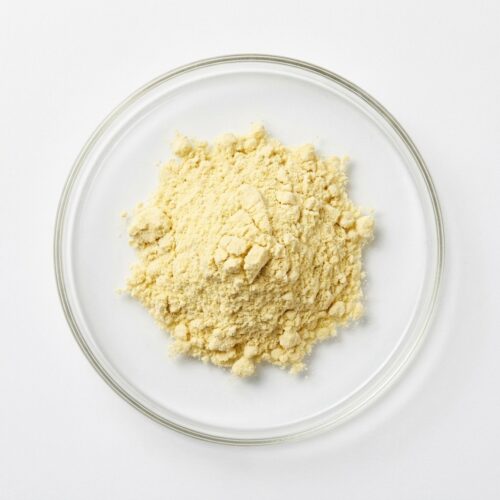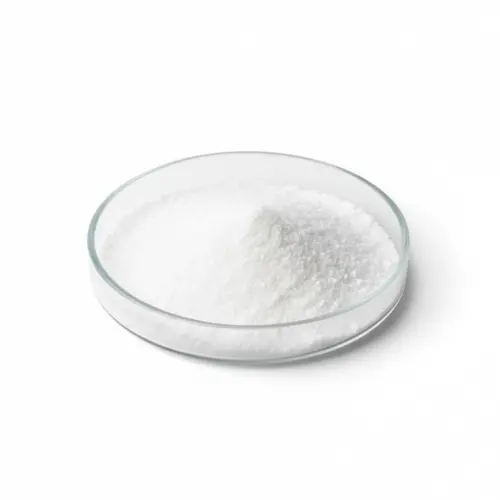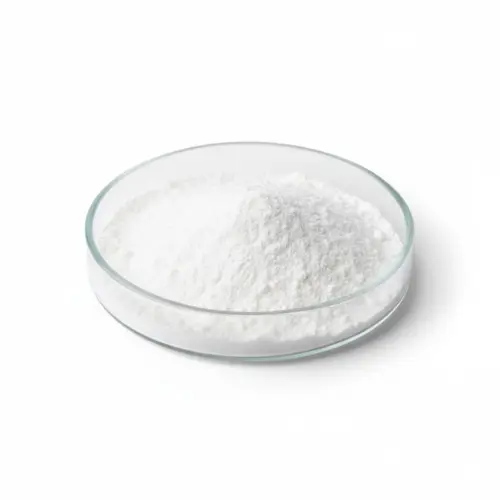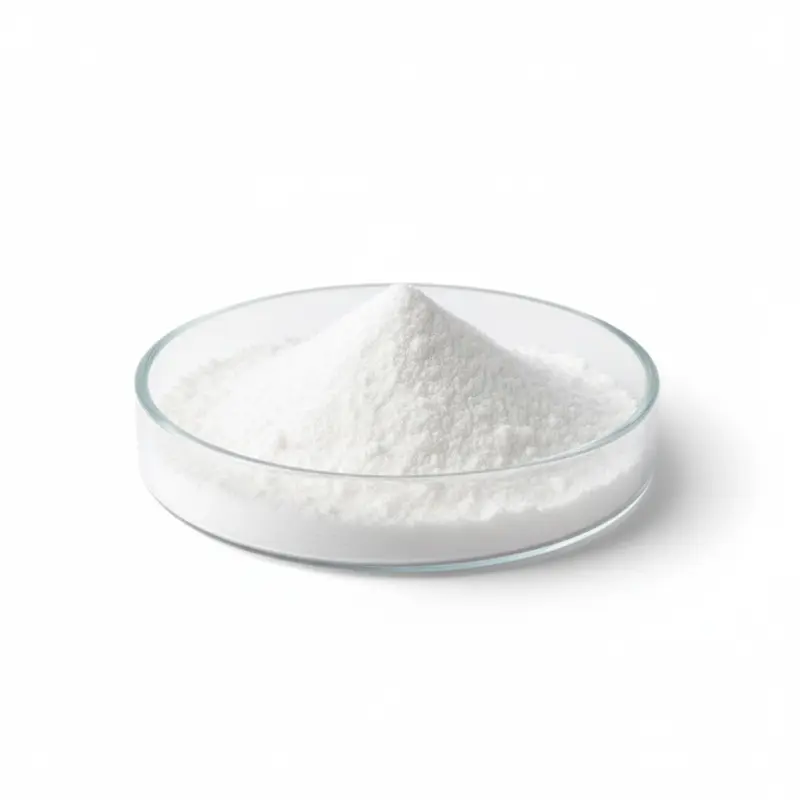
Inulin is a natural soluble dietary fiber derived from chicory root and other plants. With a purity of 90–100%, this Halal-certified ingredient is valued for its prebiotic properties, supporting gut health and digestion by stimulating beneficial intestinal bacteria.
In addition to its health benefits, Inulin functions as a fat and sugar replacer, adding mild sweetness and improving texture in various formulations. It is widely used in health foods, functional beverages, dairy, and nutraceuticals.
Applications:
-
Functional foods & beverages (fiber-enriched products, smoothies, instant drinks)
-
Dairy (yogurts, ice creams, flavored milks)
-
Bakery (breads, cookies, pastries)
-
Nutraceuticals (digestive supplements, prebiotic blends)
Key Features & Benefits:
-
✅ High purity: 90–100% Inulin
-
✅ Natural prebiotic supporting digestive health
-
✅ Improves texture, mouthfeel & sugar reduction
-
✅ Halal-certified & food-grade quality
-
✅ Versatile for functional foods & supplements
Chain length matters
Inulin is a chain of fructose units, usually with a glucose at one end. The chain length (degree of polymerisation, DP) changes how it behaves. Short chains (oligofructose or FOS) are sweeter and more soluble. Standard chicory inulin is a mix of short and long chains. Long-chain (“high-performance”) inulin is less sweet, less soluble and better as a fat replacer. A “90–100%” figure tells you the purity but not the chain length, so ask for the average DP or the grade name.
Free sugars
Standard inulin contains a small amount of free fructose, glucose and sucrose. This matters for sugar labelling and for products making reduced-sugar claims. Ask for the free-sugar content on the COA.
Source
Most commercial inulin comes from chicory root. Agave and Jerusalem artichoke inulin are also sold. Source affects chain-length profile and can matter for labelling.
Measuring it as fibre
Inulin is not fully recovered by the older total dietary fibre method. Specific fructan methods (AOAC 997.08 or 999.03) or the newer integrated fibre methods are needed for an accurate fibre figure on the label.
Tolerance
Inulin is fermented in the large intestine, and higher doses can cause gas and bloating. Products often build up the dose or combine fibres such as Resistant Dextrin and Psyllium Husk.
What the research says
- A 2024 meta-analysis of 55 randomised trials (2,518 adults) found that inulin-type fructans lowered LDL cholesterol by 0.14 mmol/L, triglycerides by 0.06 mmol/L and body weight by 0.97 kg, with little or no effect on other cardiovascular risk factors. The authors rated the certainty of the evidence as low to very low. [1]
- A 2022 meta-analysis of 50 studies (2,525 participants) found that 3–20 g/day of chicory inulin-type fructans increased bifidobacteria in the gut and improved bowel function in healthy people. Two co-authors are affiliated with an ingredient company (BENEO). [2]
These summaries describe published research on the ingredient. They are not claims for any finished product; claims on finished products must meet the rules of the market where they are sold.
References
- Talukdar JR, et al. The effects of inulin-type fructans on cardiovascular disease risk factors: systematic review and meta-analysis of randomized controlled trials. Am J Clin Nutr. 2024;119(2):496–510. doi:10.1016/j.ajcnut.2023.10.030
- Nagy DU, et al. Effect of chicory-derived inulin-type fructans on abundance of Bifidobacterium and on bowel function: a systematic review with meta-analyses. Crit Rev Food Sci Nutr. 2022;63(33):12018–12035. doi:10.1080/10408398.2022.2098246
What to ask for on the certificate of analysis
- Source (chicory, agave or other) and grade (standard, long-chain or oligofructose)
- Inulin or fructan content by a specified method
- Average degree of polymerisation
- Free sugars (fructose, glucose, sucrose) and moisture
- Heavy metals and ash
- Microbiology: total plate count, yeast and mould, E. coli, Salmonella
- Halal certificate, batch number, manufacture and retest dates