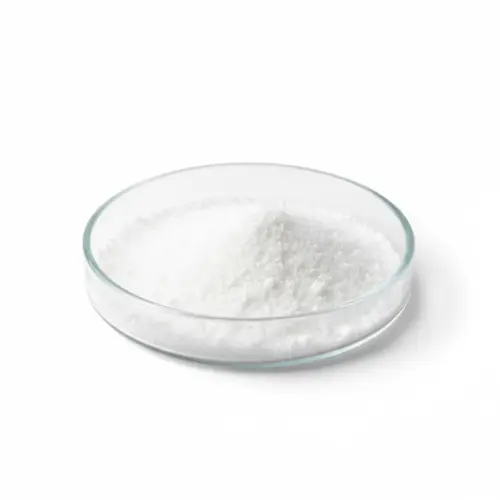
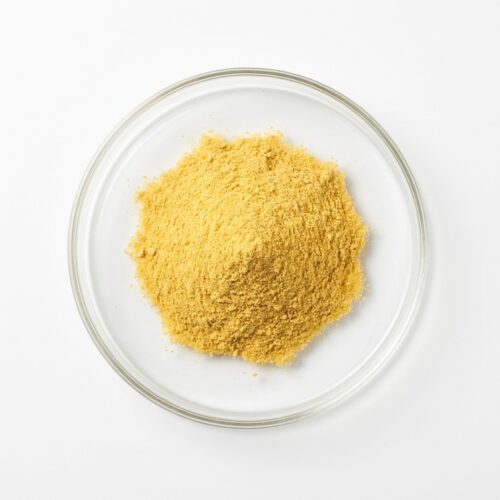
Goat Milk Powder is a premium dairy ingredient derived from fresh goat milk through a gentle spray-drying process that preserves its naturally rich nutritional profile. This Halal-certified ingredient offers a distinctive mild, slightly tangy flavour and outstanding digestibility, making it an excellent alternative to conventional cow milk powder in food and beverage formulations.
Naturally rich in medium-chain triglycerides (MCTs), calcium, phosphorus, and bioavailable proteins, Goat Milk Powder is widely recognised for its closer similarity to human milk and its gentle effect on the digestive system. It is an ideal ingredient for premium dairy-based products and health-oriented formulations.
Applications:
- Beverages (goat milk drinks, flavoured milk mixes, functional dairy beverages)
- Bakery & Confectionery (milk-enriched cakes, biscuits, dairy-based fillings)
- Dairy & Desserts (yogurts, puddings, ice creams)
- Nutraceuticals (digestive health blends, sports nutrition)
Key Features & Benefits:
- Easily digestible alternative to cow milk powder
- Rich in MCTs, calcium, phosphorus, and bioavailable protein
- Mild and slightly tangy flavour profile
- Halal-certified & food-grade quality
- Suitable for sensitive digestive systems and premium product formulations
How goat milk differs from cow milk
Goat milk fat contains a larger share of the short- and medium-chain fatty acids caproic, caprylic and capric acid than cow milk fat. These fatty acids are named after goats and give goat milk its characteristic flavour. Goat milk also contains lactose at a level similar to cow milk, so it is not lactose-free.
Allergy and infant use
People who are allergic to cow milk protein usually react to goat milk as well, because the proteins are similar. Goat milk powder must therefore be labelled as milk and should not be presented as a solution for cow milk allergy. This ingredient is a general food ingredient; infant formula has its own composition and safety rules.
Authenticity checks
Goat milk costs more than cow milk, so mixing with cow milk is a known adulteration risk. Ask the supplier for a species test (for example PCR or ELISA) showing the lot is free from cow milk, and check the country of origin and halal certificate for each lot. For cow milk powders see Whole Milk Powder and Skim Milk Powder.
What the research says
- A 2023 meta-analysis of 4 trials (670 infants) found goat-milk formula gave similar growth and adverse effects to cow-milk formula. These were complete infant formulas, not a powder ingredient. [1]
- All four trials were industry-funded, and two of the review’s authors work for Ausnutria, a formula maker. [1]
- In a 2026 trial of 2,132 infants, whole goat milk formula did not lower atopic dermatitis overall (rate ratio 1.00). One author works for a goat dairy co-operative. [2]
- Reviews state that goat’s milk is not less allergenic than cow’s milk and should not be used in cow’s milk allergy. Unmodified goat’s milk is unsuitable for infants. [3][4]
These summaries describe published research on the ingredient. They are not claims for any finished product; claims on finished products must meet the rules of the market where they are sold.
References
- Jankiewicz M, et al. The effect of goat-milk-based infant formulas on growth and safety parameters: a systematic review and meta-analysis. Nutrients. 2023;15(9):2110. doi:10.3390/nu15092110
- Grote V, et al. Whole goat milk versus cow milk formula and atopic dermatitis in infants: a randomized clinical trial. Clin Nutr. 2026;63:106707. doi:10.1016/j.clnu.2026.106707
- Arasi S, et al. Cow’s milk allergy. Curr Opin Allergy Clin Immunol. 2022;22(3):181-7. doi:10.1097/ACI.0000000000000823
- Turck D. Cow’s milk and goat’s milk. World Rev Nutr Diet. 2013;108:56-62. doi:10.1159/000351485
What to ask for on the certificate of analysis
- Species authentication (no cow milk) by PCR or ELISA
- Moisture, fat, protein and lactose (or carbohydrate) with methods
- Solubility index, scorched particles and titratable acidity
- Microbiology: total plate count, coliforms, E. coli, Salmonella, Staphylococcus aureus, yeast and mould
- Aflatoxin M1 and veterinary drug residues as required by your market
- Batch number, manufacture and expiry dates; country of origin; halal certificate covering the plant