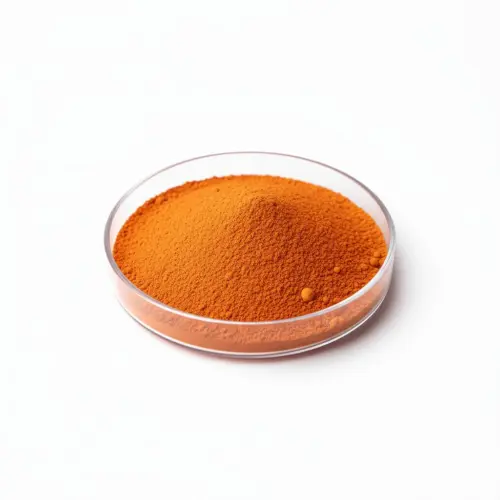
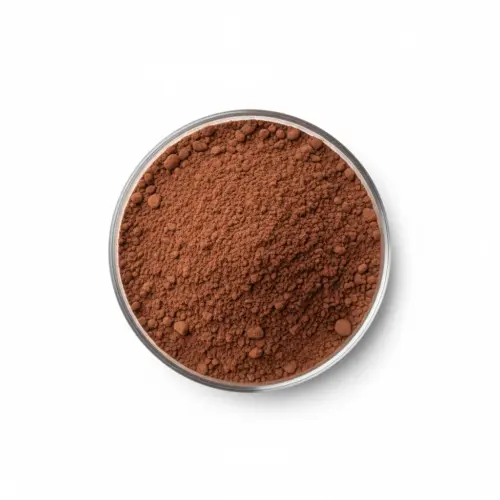
Ascorbyl Palmitate is an ester of ascorbic acid (Vitamin C) and palmitic acid, offering both antioxidant protection and fat solubility. With 100% purity, it is widely applied in food, beverage, and nutraceutical industries where oxidative stability and shelf-life enhancement are essential.
Unlike water-soluble Vitamin C, Ascorbyl Palmitate dissolves in fats and oils, making it ideal for formulations such as oils, fats, cosmetics, and supplements. Certified Halal, it ensures compliance for global markets.
Applications:
-
Food & Beverages (snacks, bakery, beverages, oils, and fats)
-
Nutraceuticals & Supplements (capsules, tablets, powders)
-
Cosmetics & Personal Care (anti-aging creams, serums, emulsions)
-
Fortified products (functional foods and beverages)
Key Features & Benefits:
-
✅ 100% pure Ascorbyl Palmitate
-
✅ Fat-soluble antioxidant, extends product shelf-life
-
✅ Dual application: food + cosmetic industries
-
✅ Halal-certified and food-grade quality
-
✅ Supports oxidative stability in oil-based formulations
A fat-soluble form of vitamin C
Ascorbyl palmitate (E304(i)) is an ester of ascorbic acid and palmitic acid. The palmitate part lets it dissolve in oils and fats, where water-soluble ascorbic acid cannot work. About 42% of its weight is ascorbic acid, which matters if you count it towards vitamin C content.
How it protects oils
In oils, fats and fat-rich powders, ascorbyl palmitate slows oxidation, especially when combined with tocopherols, where it helps regenerate them. It is used in frying oils, oil-based colours such as Beta Carotene 10%, infant and dairy powders, and cosmetics. Use levels are limited by food additive regulations, so check the limit in your market and product category.
Handling and halal
Ascorbyl palmitate is sensitive to heat, light and moisture; store it sealed, cool and dry. It dissolves best when the oil is warmed gently. Because palmitic acid can come from plant or animal fats, ask for the source and make sure the halal certificate covers it.
What to ask for on the certificate of analysis
- Assay (%) with the method, and specific optical rotation
- Melting range and loss on drying
- Origin of the palmitic acid (plant or animal) and halal coverage
- Heavy metals (lead, arsenic, cadmium, mercury)
- Microbiology: total plate count, yeast and mould, E. coli, Salmonella
- Batch number, manufacture and retest dates; compliance with the food additive specification of your market (for example JECFA or the Malaysian Food Regulations)