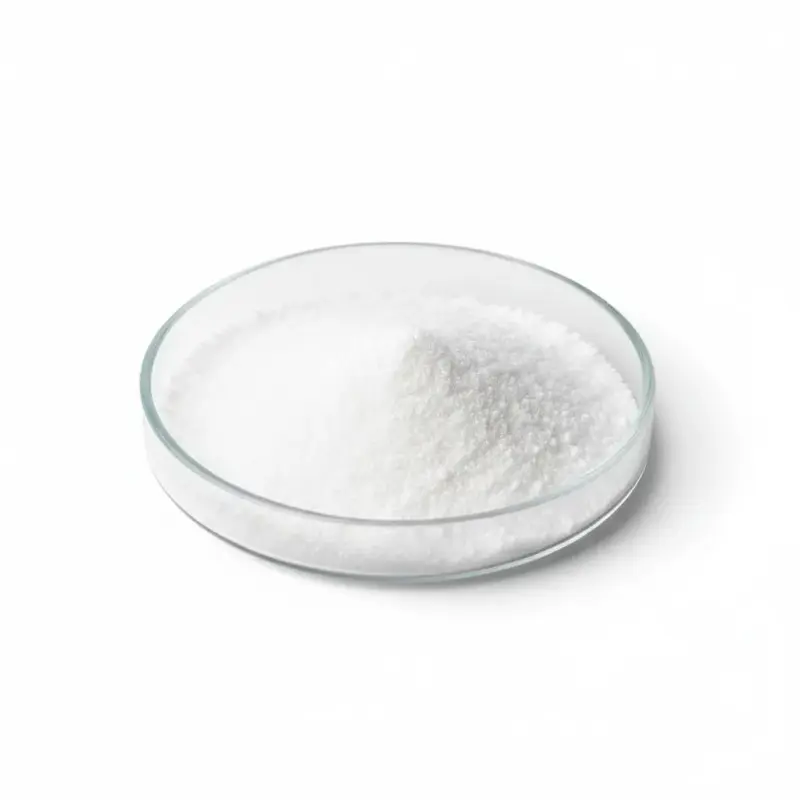
Ascorbic Acid is the purest form of Vitamin C, a water-soluble essential vitamin and one of the most widely used functional ingredients in the global food, beverage, and supplement industries. With an assay of 99.0–100.5%, this food-grade Ascorbic Acid delivers consistent, high-purity Vitamin C that performs reliably as both a nutritional supplement and a functional food additive.
As an essential micronutrient, potent antioxidant, collagen synthesis cofactor, and immune system supporter, Ascorbic Acid is a foundational ingredient across virtually every segment of the health supplement, functional food, and beverage markets.
Applications:
- Nutraceuticals (Vitamin C supplements, immune support capsules, antioxidant blends)
- Beverages (Vitamin C-fortified drinks, effervescent tablets, sports drinks)
- Functional Foods (food fortification, antioxidant preservation, pH adjustment)
- Beauty Supplements (collagen synthesis support, skin brightening formulations)
Key Features & Benefits:
- 99.0–100.5% assay – pharmaceutical and food-grade purity
- Essential Vitamin C with immune support and antioxidant properties
- Cofactor for collagen synthesis – key for skin, joint, and connective tissue health
- Halal-certified & food-grade quality
- Versatile across supplements, beverages, and food fortification
Grades and forms
The 99.0–100.5% assay on this page matches the usual pharmacopoeial range for ascorbic acid. Beyond the standard fine powder, ascorbic acid is sold in forms built for particular processes. Granulated grades (often with a small amount of binder such as starch) compress directly into tablets. Coated grades protect the vitamin in premixes and baked goods. The mineral salts sodium ascorbate and calcium ascorbate are less acidic, and the fat-soluble ester Ascorbyl Palmitate protects oils. A granulated or coated grade contains less than 100% ascorbic acid, so dose on the assay, not on the powder weight.
Stability
Ascorbic acid oxidises in the presence of oxygen, moisture, heat and light, and traces of copper and iron speed this up a great deal. Solutions and moist blends turn yellow, then brown. Products are usually formulated with an overage to cover losses over shelf life, sealed against moisture, and kept away from metal contamination.
Beverages
In drinks, ascorbic acid together with sodium benzoate can form small amounts of benzene, especially with heat and light. Beverage makers who use benzoate as a preservative should test for this or choose another preservative system. Ascorbic acid also works as an acidulant and antioxidant (E300), alongside Citric Acid.
Origin
Most ascorbic acid is made by fermentation and chemical conversion from glucose, which is commonly derived from maize. Ask for the source and a GMO statement if your market needs one.
What the research says
- A 2013 Cochrane review found that regular vitamin C (at least 0.2 g/day) did not reduce the risk of catching a cold in the general population (risk ratio 0.97 in community trials of 10,708 participants). In 5 trials of people under heavy physical stress (marathon runners, skiers and soldiers on subarctic exercises), the risk was roughly halved (risk ratio 0.48). [1]
- Taken regularly, vitamin C shortened colds by 8% in adults and 14% in children. Taken only after symptoms began, it showed no consistent effect on the duration or severity of colds. [1]
These summaries describe published research on the ingredient. They are not claims for any finished product; claims on finished products must meet the rules of the market where they are sold.
References
- Hemilä H, Chalker E. Vitamin C for preventing and treating the common cold. Cochrane Database Syst Rev. 2013;(1):CD000980. doi:10.1002/14651858.CD000980.pub4
What to ask for on the certificate of analysis
- The pharmacopoeia or food specification the batch conforms to (e.g. USP, Ph. Eur., FCC)
- Assay, identification and specific optical rotation
- Clarity and colour of solution
- Heavy metals, including copper and iron
- Particle size (fine, granular or coated grade) and, for granulated or coated grades, the ascorbic acid content
- Glucose source and GMO statement
- Halal certificate, batch number, manufacture and retest dates