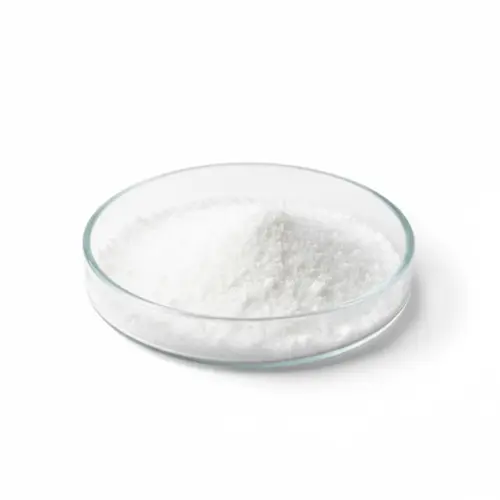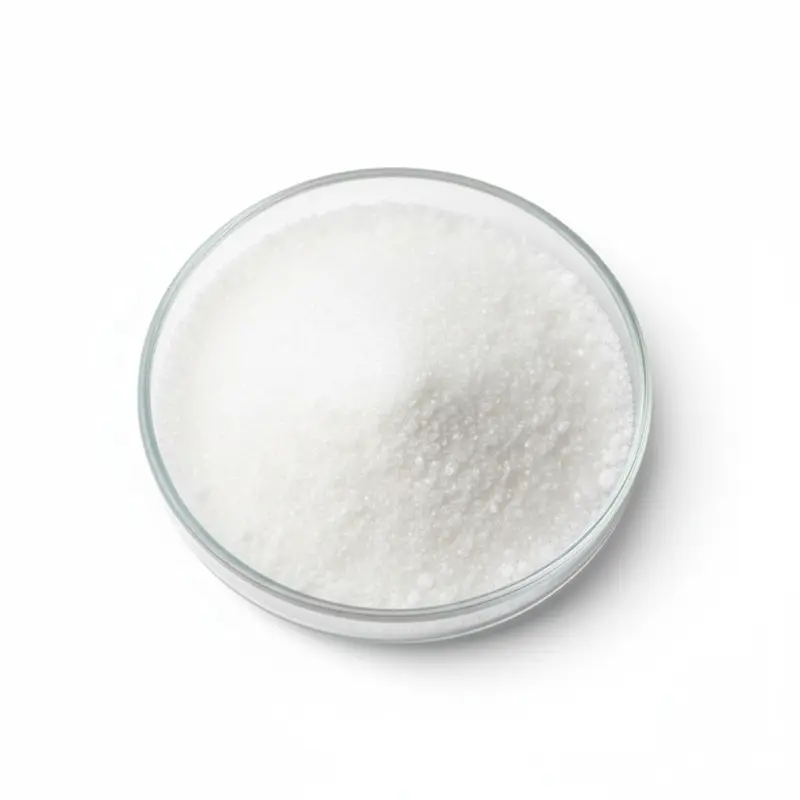
Citric Acid Anhydrous is a food-grade organic acid commonly used as an acidulant, preservative, and flavor enhancer. With a purity level of 99.9–100.5%, it provides reliable performance across food, beverage, and supplement applications.
This Halal-certified ingredient enhances tartness, improves flavor balance, and stabilizes pH levels. It also acts as a natural preservative, extending product shelf life and improving overall stability.
Applications:
-
Beverages (carbonated drinks, juices, powdered mixes)
-
Confectionery (candies, gummies, jellies)
-
Bakery (cakes, pastries, dough conditioning)
-
Nutraceuticals (effervescent powders, tablets, supplements)
-
Food Processing (acid regulator, preservative)
Key Features & Benefits:
-
✅ High purity: 99.9–100.5%
-
✅ Effective acidulant and preservative
-
✅ Enhances tartness and flavor balance
-
✅ Halal-certified & food-grade quality
-
✅ Wide use in food, beverage, and supplements
Anhydrous or monohydrate
Citric acid is sold in two forms. Anhydrous citric acid contains no water of crystallisation. Citric acid monohydrate contains one molecule of water and is about 91% citric acid by weight (molecular weight 210 against 192). The two are not interchangeable gram for gram. Anhydrous is the usual choice for effervescent tablets, dry mixes and products where moisture must be kept low.
Particle size and caking
Citric acid is supplied in several mesh sizes, from coarse granules to fine powder. Fine grades dissolve faster but take up moisture and cake more readily in humid conditions, which matters in Malaysia. Store it sealed, in a dry place, and check the specified particle size against your process.
Function
Citric acid (E330) is mainly an acidulant: it gives sourness and lowers pH. It also binds metal ions, which helps antioxidants such as Ascorbic Acid work, and lowering pH can support a preservative system. On its own it is not a broad preservative. Its salt, Sodium Citrate, is used as a buffer with it.
Origin
Commercial citric acid is made by fermentation with Aspergillus niger, usually on sugars from maize, cane or other crops. Ask for the fermentation substrate and a GMO statement if your market needs one.
What to ask for on the certificate of analysis
- Form (anhydrous or monohydrate) and specification (e.g. FCC, Ph. Eur., USP, JECFA)
- Assay and water content
- Sulphated ash, oxalate and readily carbonisable substances
- Heavy metals, including lead
- Particle size (mesh)
- Fermentation substrate and GMO statement
- Halal certificate, batch number, manufacture and retest dates