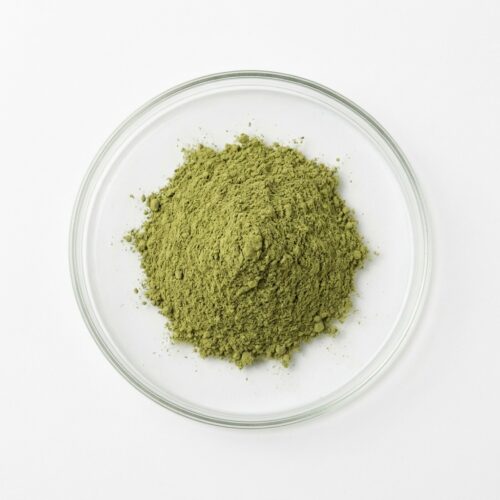
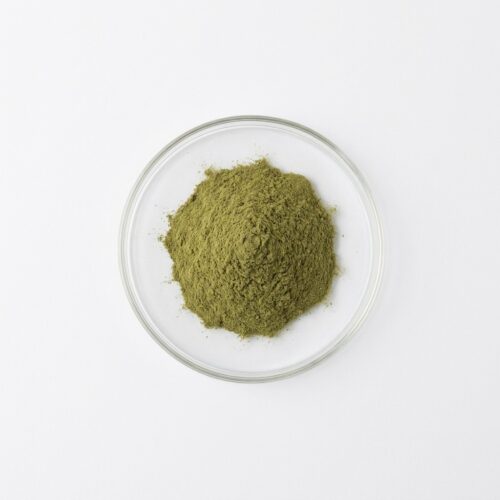
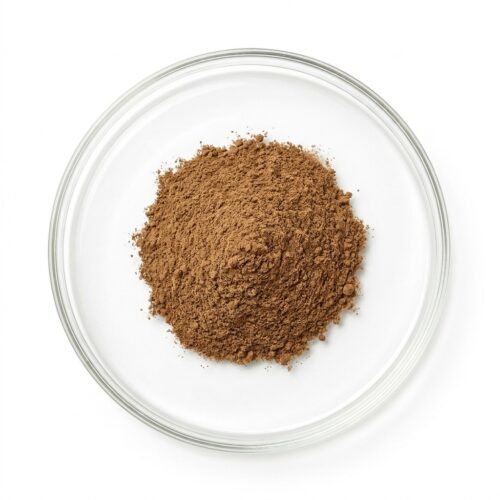
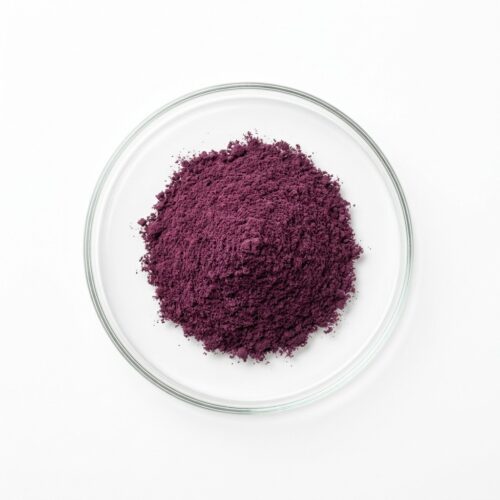
Chrysanthemum Extract (10:1) is a concentrated botanical extract derived from the flowers of Chrysanthemum morifolium, a cornerstone herb in Traditional Chinese Medicine (TCM). At a 10:1 concentration ratio, this Halal-certified extract delivers a potent dose of luteolin, chlorogenic acid, and flavonoid glycosides — bioactive compounds associated with eye protection, internal cooling, anti-inflammatory effects, and cardiovascular support.
Chrysanthemum flower tea is one of the most popular traditional herbal beverages in Chinese culture and Malaysia, deeply familiar to consumers as a cooling and eye-care remedy.
Applications:
- Nutraceuticals (eye health supplements, ‘cooling’ TCM formulations, headache relief)
- Functional Beverages (chrysanthemum herbal drinks, cooling teas, canned herbal beverages)
- Traditional Medicine (TCM liver and eye-clearing compound formulations)
- Cosmeceuticals (anti-inflammatory topical formulations)
Key Features & Benefits:
- 10:1 concentrated luteolin and flavonoid-rich extract
- Strong TCM heritage and widespread consumer familiarity in Malaysia & Greater China
- Eye-protective, cooling, and anti-inflammatory properties
- Halal-certified & food-grade quality
- Suitable for beverage, capsule, and powder applications
From chrysanthemum tea to a 10:1 extract
Chrysanthemum tea is made by steeping the dried flower heads of Chrysanthemum morifolium. A 10:1 extract concentrates the water- or ethanol-soluble part of those flowers, so it can be used in ready-to-drink chrysanthemum tea, instant drink powders and capsules without brewing whole flowers. Ask which solvent was used, whether a carrier such as maltodextrin was added, and in what proportion.
What is in the flower
The main compounds are caffeoylquinic acids (chlorogenic acid and dicaffeoylquinic acids) and flavonoids, especially luteolin and apigenin and their glycosides. Pharmacopoeial monographs for the flower use these compounds as markers. A 10:1 ratio does not state any marker content, so ask whether the supplier tests luteolin glycosides or chlorogenic acid by HPLC, and against which standard.
Formulation notes for drinks
Chrysanthemum extract gives a pale yellow colour and a floral, slightly bitter taste. Caffeoylquinic acids can brown and lose colour with heat, light and higher pH, so check colour and taste after retort or UHT and over shelf life. It is often blended with Goji Berry Extract, and with honey or rock sugar in traditional recipes. Traditional uses described for the flower are not authorised health claims; check the rules of your market before making any claim on pack.
What the research says
- Human research on oral chrysanthemum flower extract is limited. Only one small randomised study was found on PubMed. [1]
- In that 2023 study, 37 healthy young adults ate a high-fat meal with or without a Chrysanthemum morifolium extract. [1]
- Peak changes in glucose, triglycerides and two oxidative-stress markers differed between groups. The total response over 8 hours (incremental area under the curve) did not. [1]
- Serum antioxidant markers rose and malondialdehyde fell with the extract. This was a single meal, so it says nothing about regular intake.
These summaries describe published research on the ingredient. They are not claims for any finished product; claims on finished products must meet the rules of the market where they are sold.
References
- Chen L, et al. Analysis of chemical constituents of Chrysanthemum morifolium extract and its effect on postprandial lipid metabolism in healthy adults. Molecules. 2023;28(2):579. doi:10.3390/molecules28020579
What to ask for on the certificate of analysis
- Botanical name and plant part (Chrysanthemum morifolium flower)
- Extraction ratio, solvent and carrier with its percentage
- Marker content (for example luteolin glycosides or chlorogenic acid) with the test method, if specified
- Identity test (TLC or HPLC fingerprint)
- Solubility and colour of a drink-strength solution
- Loss on drying, heavy metals (lead, arsenic, cadmium, mercury) and pesticide residues
- Microbiology: total plate count, yeast and mould, E. coli, Salmonella
- Batch number, manufacture and retest dates