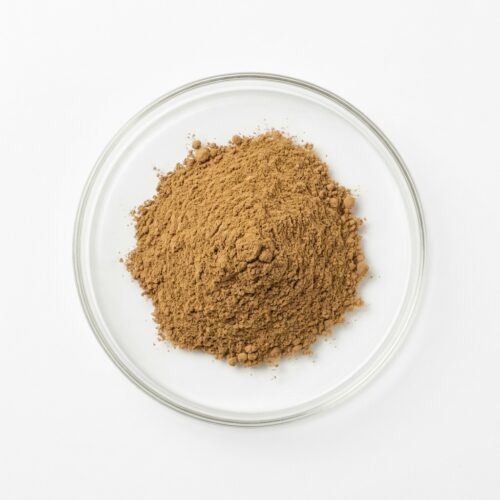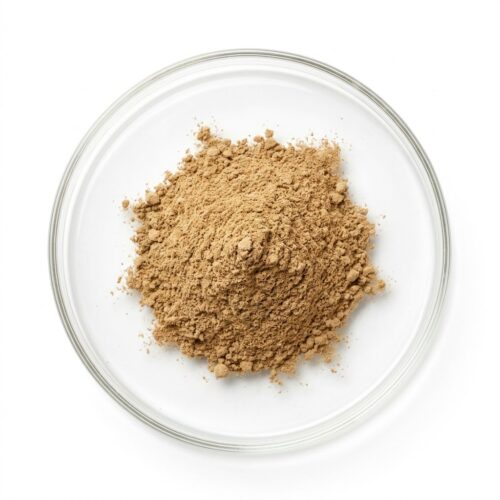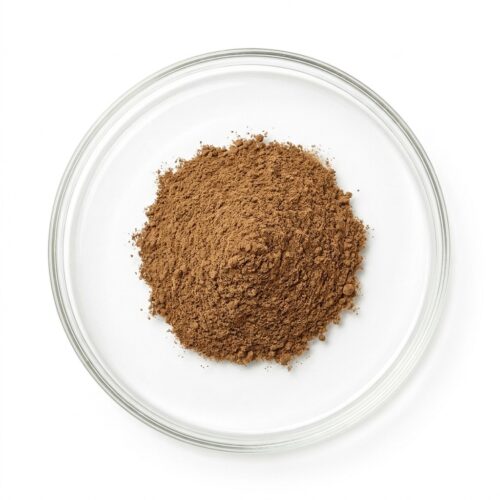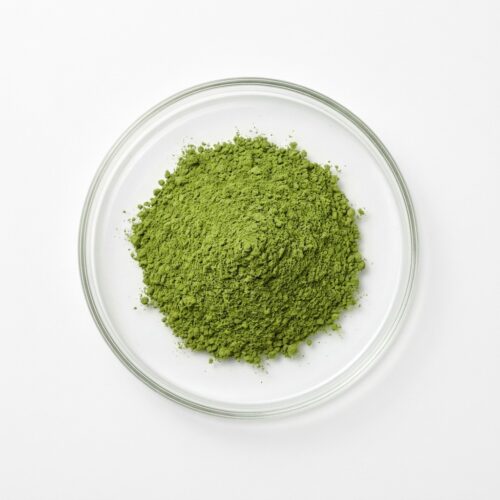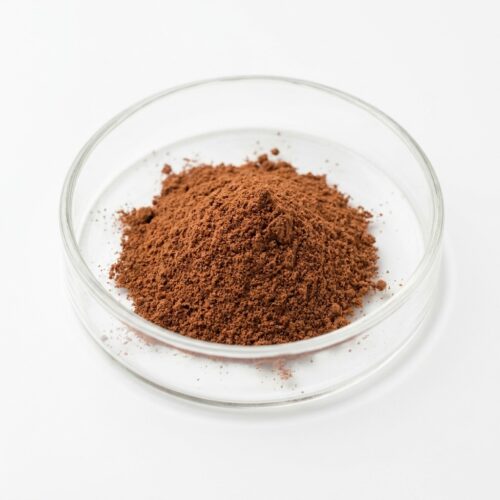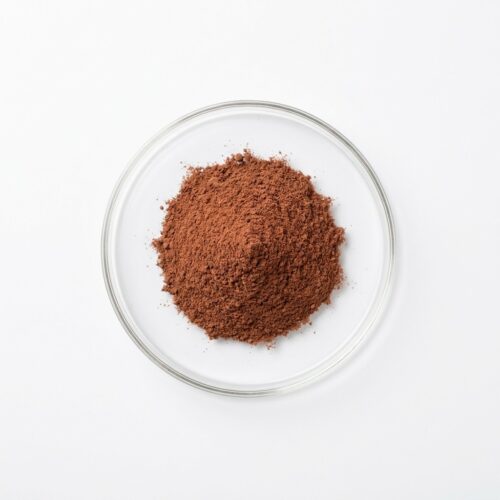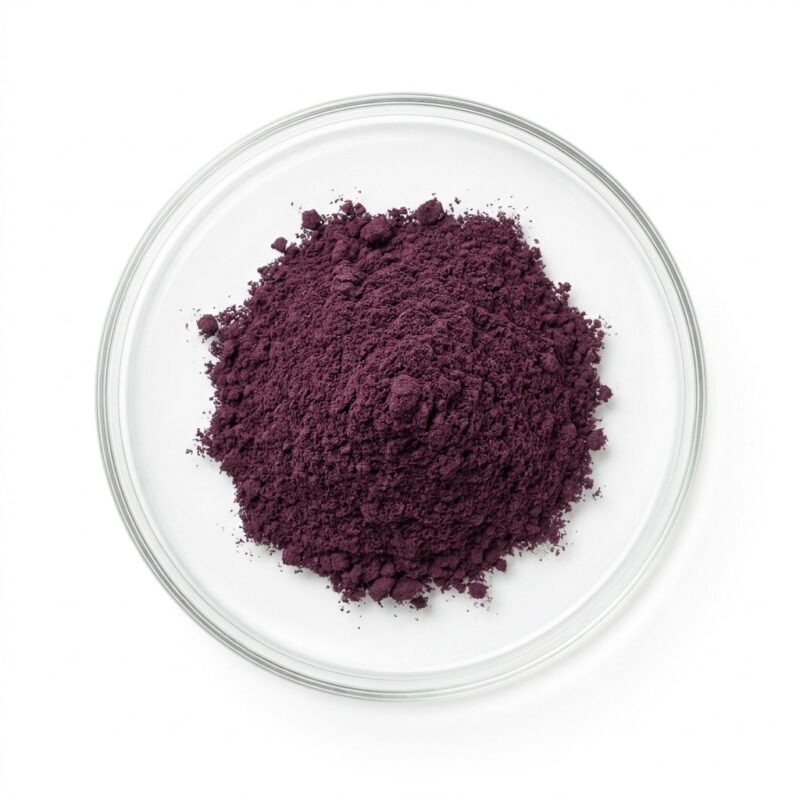
Acai Berry Extract (10:1) is a concentrated botanical extract derived from the fruits of Euterpe oleracea, the Amazonian acai palm. At a 10:1 concentration ratio, each gram of extract is equivalent to 10 grams of raw acai berry, delivering a highly potent dose of the fruit’s bioactive compounds. This Halal-certified extract is standardised for anthocyanins, polyphenols, and antioxidant activity.
Acai berry is widely recognised as one of the most antioxidant-dense superfruits available, with an ORAC value significantly higher than most common fruits. It is a staple ingredient in the global beauty-from-within, anti-ageing, and general wellness supplement markets.
Applications:
- Nutraceuticals (antioxidant capsules, superfruit blends, anti-ageing supplements)
- Beauty Supplements (beauty drinks, skin-brightening formulations)
- Functional Foods & Beverages (superfood powders, health bars, fortified drinks)
- Cosmeceuticals (topical antioxidant formulations)
Key Features & Benefits:
- 10:1 concentrated extract – potent and cost-effective
- Exceptionally high antioxidant and anthocyanin content
- Widely used in beauty, anti-ageing, and wellness supplements
- Halal-certified & food-grade quality
- Suitable for capsule, powder, and beverage formulations
Pulp powder or extract
Acai (Euterpe oleracea) is traded as freeze-dried pulp powder, spray-dried powder on a carrier, and extracts. Acai pulp is unusually rich in fat for a fruit, so whole-pulp powders contain oil and can go rancid; extracts carry less. A 10:1 ratio describes the extraction, not the content, so ask what the extract is standardised to.
Anthocyanins, not ORAC
The main pigments are cyanidin-3-glucoside and cyanidin-3-rutinoside, measured by a pH-differential UV method or by HPLC. ORAC values are often quoted for acai, but they are a test-tube measurement that does not show what happens in the body, and the USDA withdrew its ORAC database in 2012. Compare grades on measured anthocyanins and polyphenols instead.
Processing safety
Fresh acai pulp has been linked to outbreaks of foodborne Chagas disease in Brazil when it was not heat-treated. Commercial pulp for export is normally pasteurised. Ask for confirmation of pasteurisation or another validated kill step, along with full microbiology.
Authenticity
Dark fruit powders can be adulterated with cheaper anthocyanin sources. An HPLC anthocyanin fingerprint shows whether the profile matches acai. Related fruit ingredients include Pomegranate Extract and Goji Berry Extract.
What to ask for on the certificate of analysis
- Species, plant part (fruit pulp), form and extraction solvent
- Anthocyanins with the method; total polyphenols
- Fat content and peroxide value for pulp powders
- Pasteurisation or kill-step statement
- Heavy metals and pesticide residues
- Microbiology: total plate count, yeast and mould, E. coli, Salmonella
- Carrier (if any), Halal certificate, batch number, manufacture and retest dates