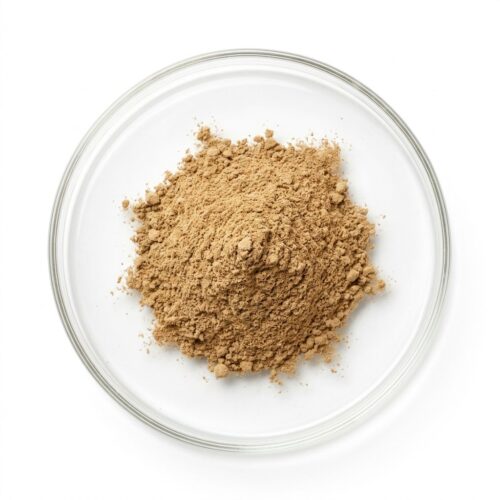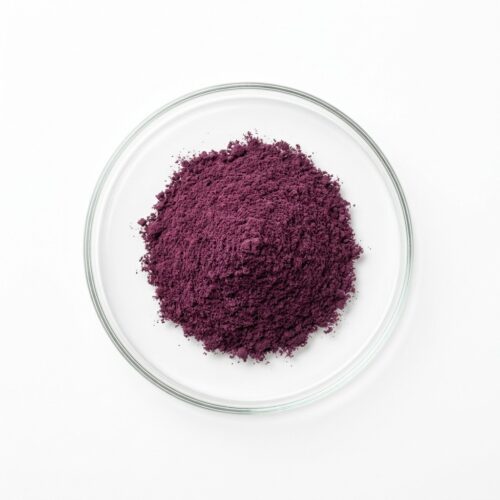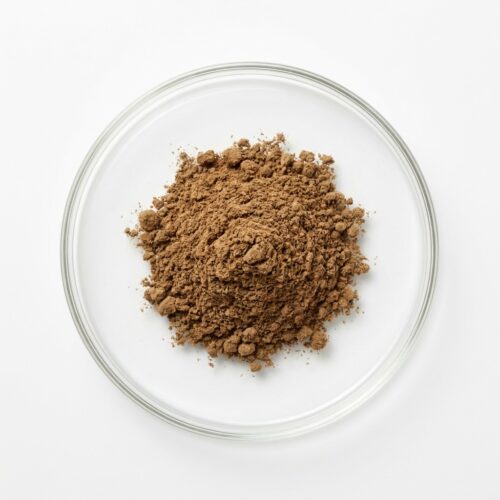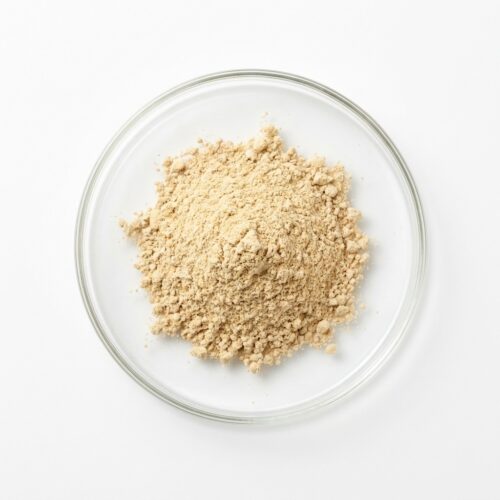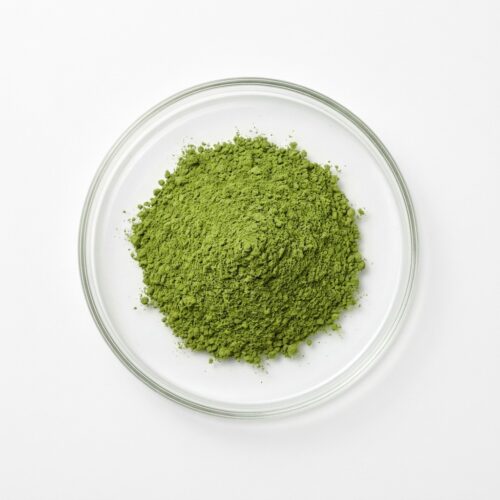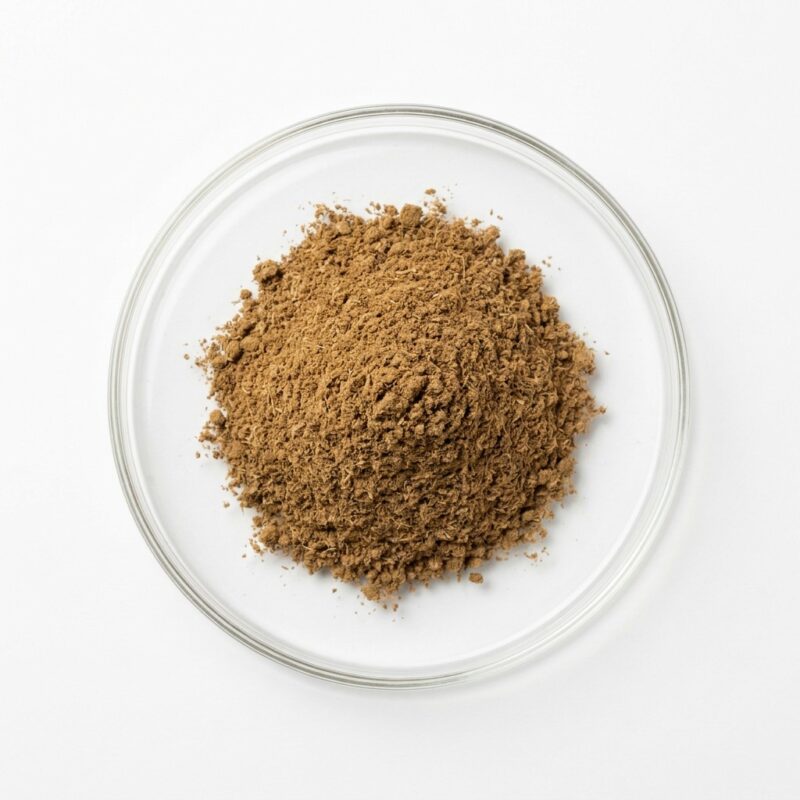
Licorice Root Extract (10:1) is a concentrated botanical extract derived from the roots of Glycyrrhiza glabra or Glycyrrhiza uralensis, one of the most widely used herbs in TCM, Ayurvedic, and European herbal medicine traditions. At a 10:1 concentration ratio, this Halal-certified extract provides a potent dose of glycyrrhizin, glabridin, and flavonoids — bioactive compounds responsible for its anti-inflammatory, adaptogenic, gut-protective, and respiratory-soothing properties.
Applications:
- Nutraceuticals (gut health and digestive support, anti-inflammatory blends, adrenal support)
- Respiratory Health (cough relief, throat soothing, bronchial support formulations)
- TCM Supplements (traditional formulations for spleen, lung, and detox support)
- Beauty (skin brightening formulations – glabridin is a potent tyrosinase inhibitor)
Key Features & Benefits:
- 10:1 concentrated glycyrrhizin and glabridin-rich extract
- Anti-inflammatory, gut-protective, and respiratory-soothing properties
- Glabridin component used in skin brightening cosmeceuticals
- Halal-certified & food-grade quality
- Suitable for capsule, candy, syrup, and cream formulations
Two species, different profiles
Licorice root comes mainly from Glycyrrhiza glabra or Glycyrrhiza uralensis. Both contain glycyrrhizin (glycyrrhizic acid), a triterpene saponin that tastes much sweeter than sugar. Glabridin, the compound used in skin-brightening cosmetics, is characteristic of G. glabra. If glabridin matters to your product, ask which species the extract is made from and for a glabridin figure.
Glycyrrhizin content and safety
In the body, glycyrrhizin is converted to glycyrrhetinic acid, which in high or prolonged intakes can raise blood pressure and lower potassium. That is why some markets set limits or warnings for glycyrrhizin, and why deglycyrrhizinated licorice (DGL) exists. A 10:1 ratio does not tell you the glycyrrhizin content, so ask for glycyrrhizic acid by HPLC and check your daily dose against the rules of your market.
Sweetness and flavour in formulation
Glycyrrhizin adds a lingering sweet, liquorice taste, useful in candies, syrups and herbal teas but noticeable in neutral products. Licorice is often paired with Ginger Root Extract in throat and digestive formulations.
What the research says
- A 2018 meta-analysis of 26 clinical trials (985 participants) found licorice lowered body weight by 0.433 kg. In the same review, diastolic blood pressure rose by 1.737 mmHg; the authors advise people with hypertension to avoid licorice. [1]
- A 2017 meta-analysis of 18 studies used at least 100 mg of glycyrrhizic acid a day (337 participants). Systolic pressure rose 5.45 mmHg and diastolic 3.19 mmHg. Plasma potassium, renin and aldosterone fell, and higher glycyrrhizic acid doses went with larger blood-pressure rises. [2]
- A 2024 meta-analysis of 8 trials (541 participants) found products dominated by glycyrrhizic acid raised blood pressure, while those dominated by licorice flavonoids did not. [3]
These summaries describe published research on the ingredient. They are not claims for any finished product; claims on finished products must meet the rules of the market where they are sold.
References
- Luís Â, et al. Metabolic changes after licorice consumption: a systematic review with meta-analysis and trial sequential analysis of clinical trials. Phytomedicine. 2018;39:17-24. doi:10.1016/j.phymed.2017.12.010
- Penninkilampi R, et al. The association between consistent licorice ingestion, hypertension and hypokalaemia: a systematic review and meta-analysis. J Hum Hypertens. 2017;31(11):699-707. doi:10.1038/jhh.2017.45
- Wu T, et al. Effects of licorice functional components intakes on blood pressure: a systematic review with meta-analysis and network toxicology. Nutrients. 2024;16(21):3768. doi:10.3390/nu16213768
What to ask for on the certificate of analysis
- Botanical name and plant part (Glycyrrhiza glabra or G. uralensis root)
- Extraction ratio, solvent and carrier with its percentage
- Glycyrrhizic acid content by HPLC (and glabridin, if specified)
- Identity test (TLC or HPLC fingerprint)
- Loss on drying, heavy metals (lead, arsenic, cadmium, mercury) and pesticide residues
- Microbiology: total plate count, yeast and mould, E. coli, Salmonella
- Batch number, manufacture and retest dates