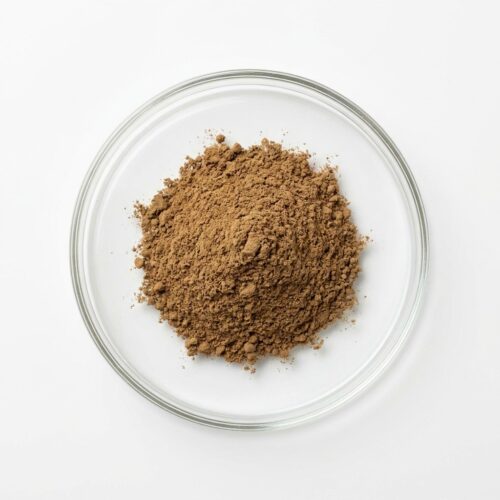
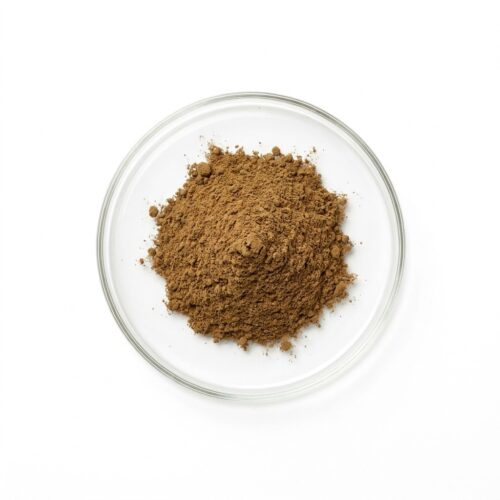
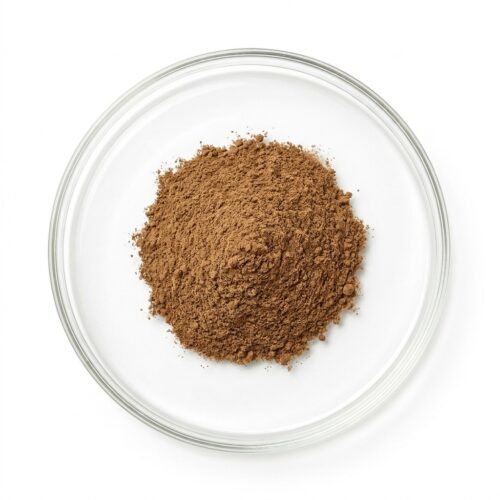
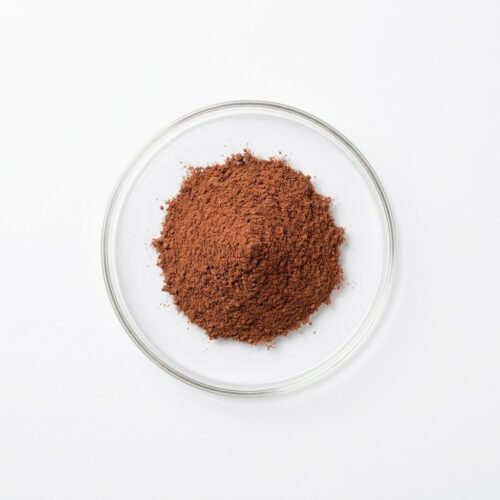
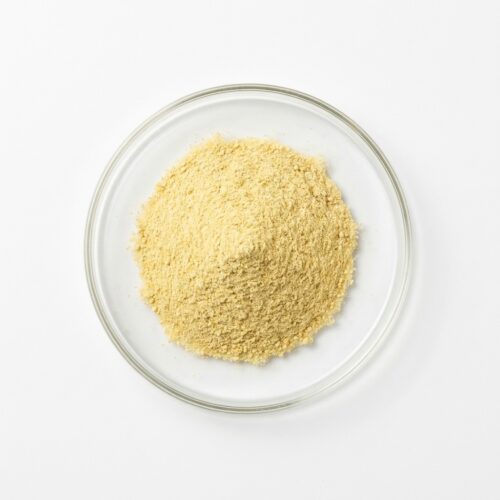
Hibiscus Extract (10:1) is a concentrated botanical extract derived from the calyces of Hibiscus sabdariffa, commonly known as roselle or bunga raya — the national flower of Malaysia. At a 10:1 concentration ratio, this Halal-certified extract provides a potent dose of anthocyanins (delphinidin-3-glucoside), organic acids, and flavonoids — bioactive compounds responsible for hibiscus’s antioxidant properties and clinically demonstrated blood pressure-lowering effects.
Hibiscus holds a unique position in the Malaysian market — both deeply culturally familiar as roselle and increasingly recognised as a clinically validated cardiovascular health botanical.
Applications:
- Functional Beverages (hibiscus health teas, roselle drinks, antioxidant juices)
- Nutraceuticals (blood pressure support supplements, antioxidant capsules)
- Beauty Supplements (skin health formulations, anti-ageing beauty drinks)
- Food & Confectionery (natural red colouring, flavouring agent)
Key Features & Benefits:
- 10:1 concentrated anthocyanin-rich extract
- Clinically studied for blood pressure reduction and antioxidant protection
- Strong Malaysian market recognition as roselle (bunga raya)
- Natural vibrant red colouring properties
- Halal-certified & food-grade quality
Same plant as roselle
Hibiscus extract for food and supplements is made from the calyces of Hibiscus sabdariffa, which is roselle. It is a different species from the ornamental bunga raya (Hibiscus rosa-sinensis), Malaysia’s national flower. State the Latin name on specifications and labels. For the published research on H. sabdariffa and blood pressure, see our Roselle Extract page.
Anthocyanins and colour
The main anthocyanins of roselle calyces are delphinidin-3-sambubioside and cyanidin-3-sambubioside. Their red colour is strongest in acidic products and fades or turns purple-grey as pH rises, and with heat and light. Ask for total anthocyanins (pH-differential method or HPLC), and plan colour stability for your shelf life.
Formulation notes
The extract is tart from organic acids, including hibiscus acid, and suits teas, juices, jellies and gummies. Extracts with natural sugars can be hygroscopic, so keep packs sealed.
What the research says
- A 2022 meta-analysis of 17 trials found hibiscus lowered systolic blood pressure by 7.10 mmHg versus placebo, with very high heterogeneity. The fall was largest in people with raised blood pressure at the start. [1]
- The same review found LDL cholesterol 6.76 mg/dL lower than with other teas or placebo. [1]
- A 2022 meta-analysis of 13 trials (1,205 people with hypertension, some with metabolic syndrome) found systolic pressure 6.67 mmHg and diastolic 4.35 mmHg lower than placebo. [2]
- That review found no significant effect in people with metabolic syndrome, and hibiscus was not superior to antihypertensive drugs. Trials used hibiscus teas and extracts, not this extract specifically. [2]
These summaries describe published research on the ingredient. They are not claims for any finished product; claims on finished products must meet the rules of the market where they are sold.
References
- Ellis LR, et al. A systematic review and meta-analysis of the effects of Hibiscus sabdariffa on blood pressure and cardiometabolic markers. Nutr Rev. 2022;80(6):1723-37. doi:10.1093/nutrit/nuab104
- Abdelmonem M, et al. Efficacy of Hibiscus sabdariffa on reducing blood pressure in patients with mild-to-moderate hypertension: a systematic review and meta-analysis of published randomized controlled trials. J Cardiovasc Pharmacol. 2022;79(1):e64-74. doi:10.1097/FJC.0000000000001161
What to ask for on the certificate of analysis
- Botanical name and plant part (Hibiscus sabdariffa calyx)
- Total anthocyanins with the method, if specified
- Extraction ratio, solvent and carrier with its percentage
- Identity test (TLC or HPLC fingerprint)
- Loss on drying, heavy metals (lead, arsenic, cadmium, mercury) and pesticide residues
- Microbiology: total plate count, yeast and mould, E. coli, Salmonella
- Batch number, manufacture and retest dates