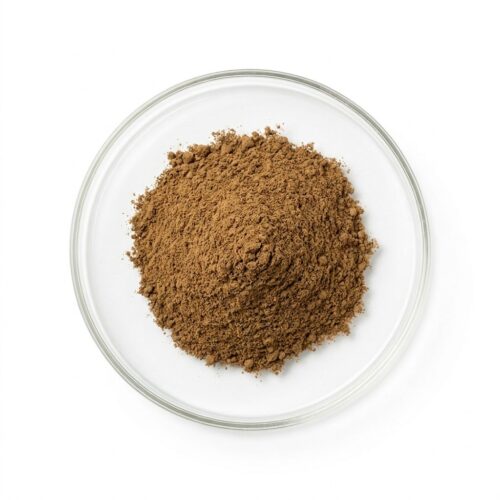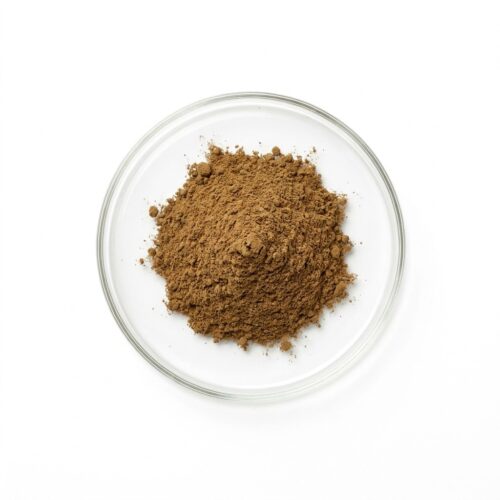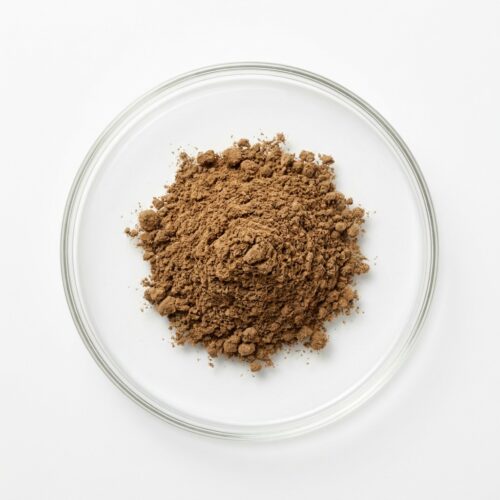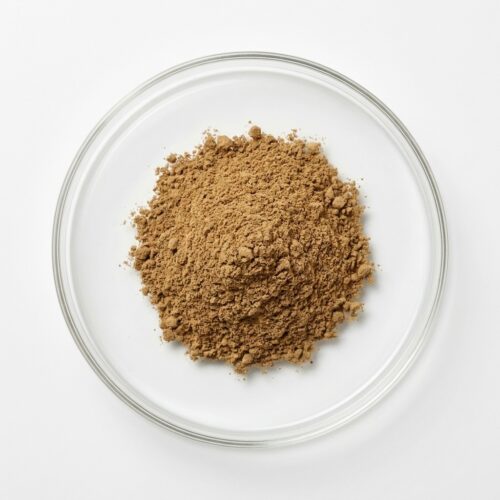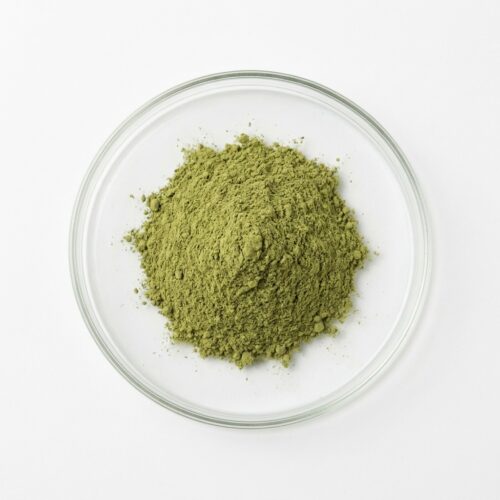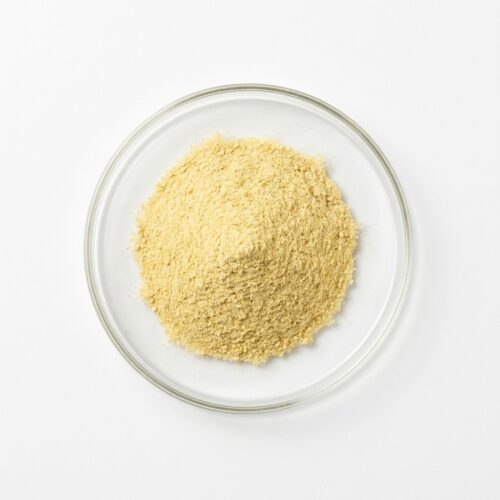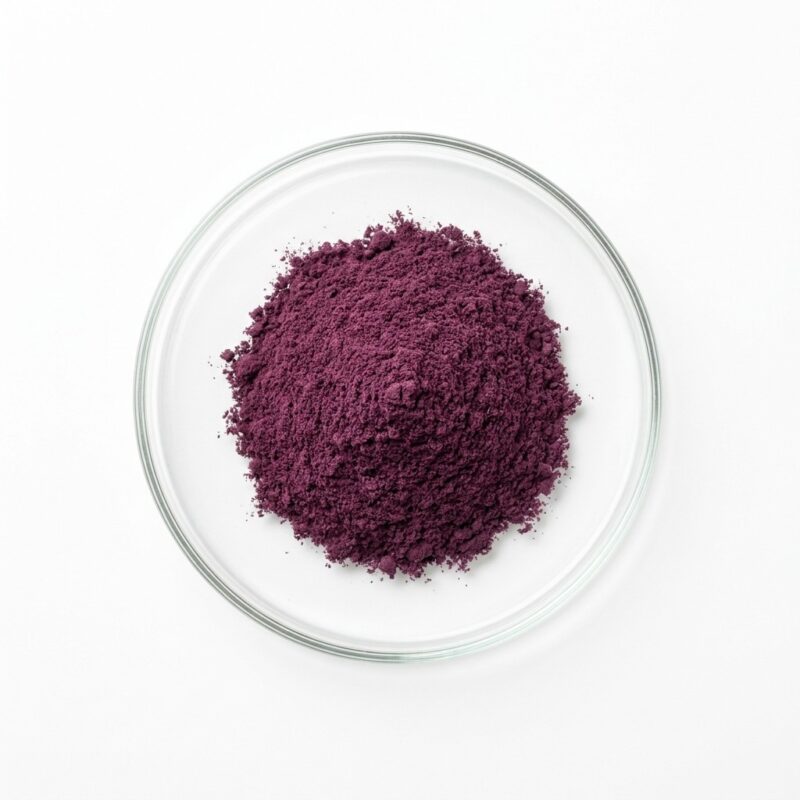
Roselle Extract is a concentrated botanical extract derived from the dried calyces of Hibiscus sabdariffa, commonly known as roselle — the plant behind Malaysia’s beloved roselle herbal drink. With an extraction ratio of 10:1 (TLC), this extract delivers a potent dose of anthocyanins (primarily delphinidin and cyanidin glycosides), organic acids (hibiscic acid, malic acid, tartaric acid), and flavonoids — bioactive compounds responsible for roselle’s distinctive deep ruby colour, tart flavour, and clinically studied cardiovascular and antioxidant properties.
Roselle holds a uniquely strong position in the Malaysian market — familiar to consumers as both a traditional drink and a health ingredient — and is gaining rapid global traction as an anthocyanin-rich botanical with clinically studied effects on blood pressure.
Applications:
- Functional Beverages (roselle herbal drinks, hibiscus teas, antioxidant health juices)
- Nutraceuticals (blood pressure support capsules, antioxidant blends, cardiovascular health)
- Beauty Supplements (skin brightening formulations, anti-ageing beauty drinks)
- Food & Confectionery (natural deep-red colouring, flavouring agent)
Key Features & Benefits:
- 10:1 concentrated anthocyanin-rich Malaysian roselle extract
- Clinically studied for blood pressure reduction and antioxidant protection
- Deep ruby natural colouring – appealing in beverage applications
- Strong Malaysian consumer familiarity and cultural resonance
- Halal-certified & food-grade quality
Roselle is one species of hibiscus
Roselle is Hibiscus sabdariffa, and the extract is made from its fleshy red calyces. Malaysia’s national flower, bunga raya, is a different species, Hibiscus rosa-sinensis. Products sold simply as “hibiscus” can come from either, so ask for the botanical name and the plant part on the specification.
Colour depends on pH, heat and light
The red colour comes from anthocyanins, mainly delphinidin- and cyanidin-3-sambubioside. They are bright red in acidic products and turn duller and bluer as pH rises. Heat, light and oxygen break them down, so colour fades in hot-filled or clear-packed drinks. Test the extract in your own base before you fix the dose.
What “10:1 (TLC)” tells you
A 10:1 ratio describes how much dried calyx went into each kilogram of extract. TLC (thin-layer chromatography) confirms identity; it does not measure content. If colour strength or anthocyanin level matters, ask for an anthocyanin figure and its method (pH-differential or HPLC), and the carrier used. Roselle pairs well with Hibiscus Extract and Pomegranate Extract in red fruit and tea-style formulations.
What the research says
- A 2022 meta-analysis of 17 randomised trials found that hibiscus lowered systolic blood pressure by 7.1 mmHg more than placebo, with the largest falls in people with raised blood pressure at baseline. Results varied widely between trials. Effects were similar to blood-pressure medication in the trials that compared them. [1]
- A 2025 umbrella review pooling 26 randomised trials (1,797 participants) found that H. sabdariffa lowered systolic and diastolic blood pressure in a dose-dependent way. It also lowered total and LDL cholesterol. A minor rise in the liver enzyme AST was seen, and the authors advise monitoring the safety of long-term and therapeutic doses. [2]
These summaries describe published research on the ingredient. They are not claims for any finished product; claims on finished products must meet the rules of the market where they are sold.
References
- Ellis LR, et al. A systematic review and meta-analysis of the effects of Hibiscus sabdariffa on blood pressure and cardiometabolic markers. Nutr Rev. 2022;80(6):1723-1737. doi:10.1093/nutrit/nuab104
- Norouzzadeh M, et al. Efficacy and safety of Hibiscus sabdariffa in cardiometabolic health: an overview of reviews and updated dose-response meta-analysis. Complement Ther Med. 2025;89:103135. doi:10.1016/j.ctim.2025.103135
What to ask for on the certificate of analysis
- Botanical name and plant part (Hibiscus sabdariffa calyx)
- Extraction ratio, extraction solvent and carrier (e.g. maltodextrin) with its percentage
- Identity test (TLC or HPLC fingerprint)
- Anthocyanin content and method, if colour or potency is specified
- Loss on drying, heavy metals and pesticide residues
- Microbiology: total plate count, yeast and mould, E. coli, Salmonella
- Batch number, manufacture and retest dates