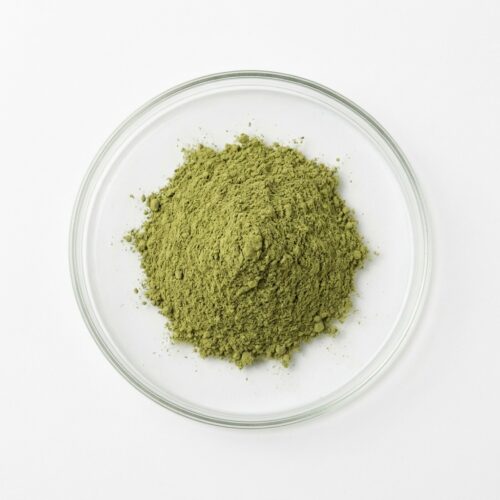
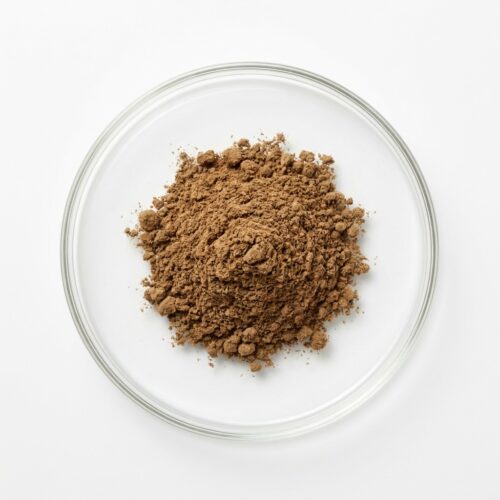
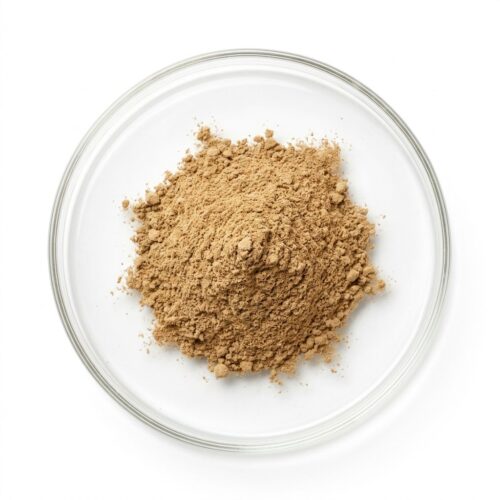
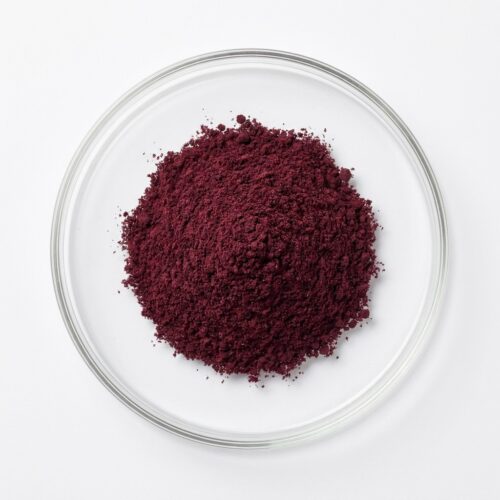
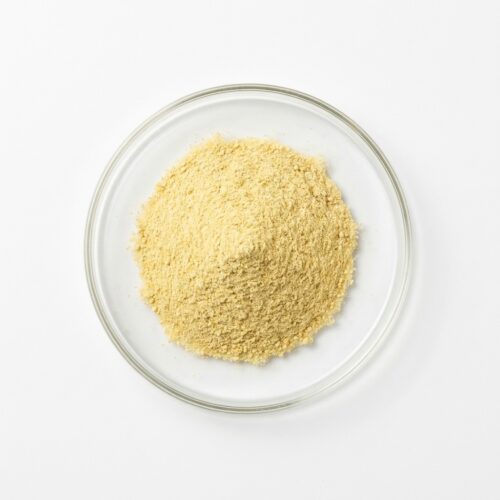
Ginger Root Extract (10:1) is a concentrated botanical extract derived from the rhizomes of Zingiber officinale, one of the world’s most widely used medicinal and culinary plants. At a 10:1 concentration ratio, this Halal-certified extract provides a potent dose of gingerols and shogaols — the primary pungent bioactive compounds responsible for ginger’s digestive, anti-nausea, anti-inflammatory, and circulatory-stimulating properties.
Ginger is one of the most universally recognised botanical ingredients globally, with deep roots in Asian, Ayurvedic, and Middle Eastern traditional medicine and broad acceptance across food, beverage, and supplement categories.
Applications:
- Nutraceuticals (digestive health capsules, anti-nausea supplements, motion sickness relief)
- Functional Beverages (ginger health shots, ginger teas, warming drinks)
- Women’s Health (morning sickness relief, menstrual pain formulations)
- Sports Nutrition (anti-inflammatory recovery blends)
Key Features & Benefits:
- 10:1 concentrated gingerol and shogaol-rich extract
- Clinically studied for nausea relief and digestive support
- Universal consumer recognition and acceptance
- Halal-certified & food-grade quality
- Suitable for capsule, beverage, candy, and powder formulations
Gingerols, shogaols and processing
The pungent compounds of ginger (Zingiber officinale) rhizome are gingerols, led by 6-gingerol. During drying, heating and storage, gingerols lose water and form shogaols. The ratio between the two therefore depends on how the rhizome was dried and extracted. Ask for total gingerols (and shogaols, if specified) by HPLC rather than an extraction ratio alone.
Pungency and taste
Ginger extract is hot and aromatic. In drinks and gummies, the dose you can use is often limited by pungency, so run sensory trials early. Volatile oil content also affects aroma and can fall during storage.
Formulation notes
Ginger extract is used in capsules, shots, teas and lozenges, and pairs with Curcumin Powder Extract in joint blends and with Licorice Root Extract in throat and digestive products. Keep it sealed and away from heat to protect gingerol content.
What the research says
- A 2025 meta-analysis of randomised trials on chemotherapy-induced nausea included 22 trials of ginger capsules. Taken alongside standard anti-sickness medicines, ginger capsules reduced severe acute nausea (risk ratio 0.19) and high-grade vomiting (risk ratio 0.47). The authors call for more rigorous trials. [1]
- A 2026 network meta-analysis of 24 trials (3,017 pregnant women) found that several treatments, ginger among them, might reduce nausea and vomiting in pregnancy compared with placebo. The evidence was of low to moderate certainty, results varied widely, and reporting of side effects was limited. [2]
These summaries describe published research on the ingredient. They are not claims for any finished product; claims on finished products must meet the rules of the market where they are sold.
References
- Lin CY, et al. Efficacy and safety of ginger on chemotherapy-induced nausea and vomiting: a systematic review and meta-analysis of randomized controlled trials. Cancer Nurs. 2025;48(6):455-466. doi:10.1097/NCC.0000000000001355
- Frivaldszky L, et al. Comparative effectiveness of pharmacological and non-pharmacological interventions for nausea and vomiting in pregnancy: a systematic review and network meta-analysis. Nutrients. 2026;18(8):1293. doi:10.3390/nu18081293
Halal certification
This ingredient is listed as “Ginger Extract” on FC Materials’ Halal certificate (Sijil Pengesahan Halal, MS 1500:2019), issued through the Penang Islamic Religious Council (MAINPP) and the Department of Islamic Development Malaysia (JAKIM). Reference JAKIM.700-2/3/1 105-07/2022, valid until 15 October 2028. Ask us for a copy.
What to ask for on the certificate of analysis
- Botanical name and plant part (Zingiber officinale rhizome)
- Total gingerols (and shogaols, if specified) by HPLC
- Extraction ratio, solvent and carrier with its percentage
- Residual solvents, if solvent-extracted
- Loss on drying, heavy metals (lead, arsenic, cadmium, mercury) and pesticide residues
- Microbiology: total plate count, yeast and mould, E. coli, Salmonella
- Batch number, manufacture and retest dates