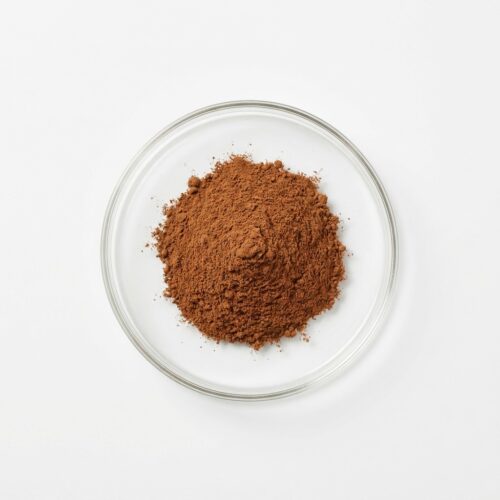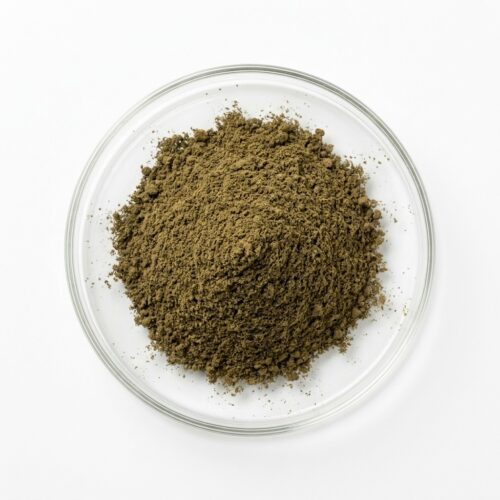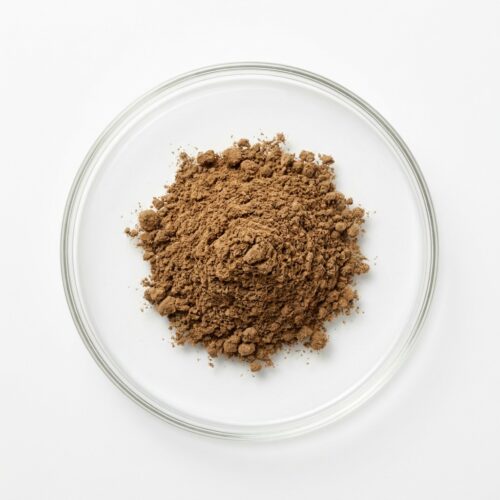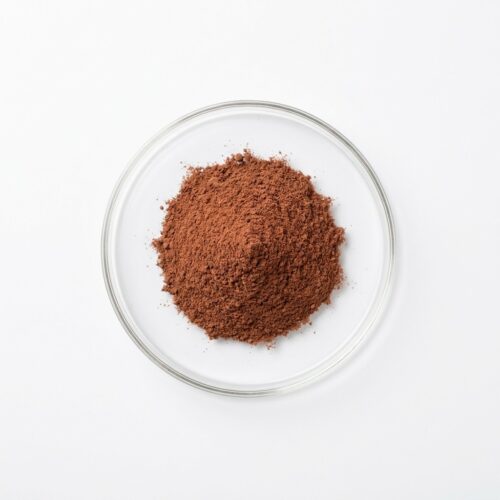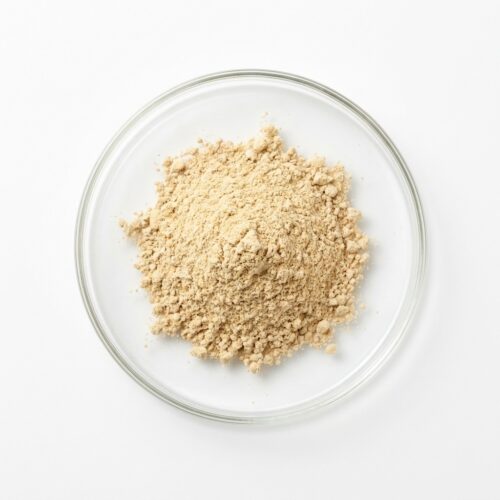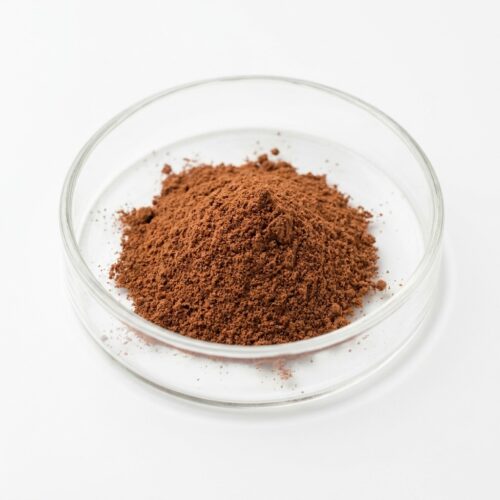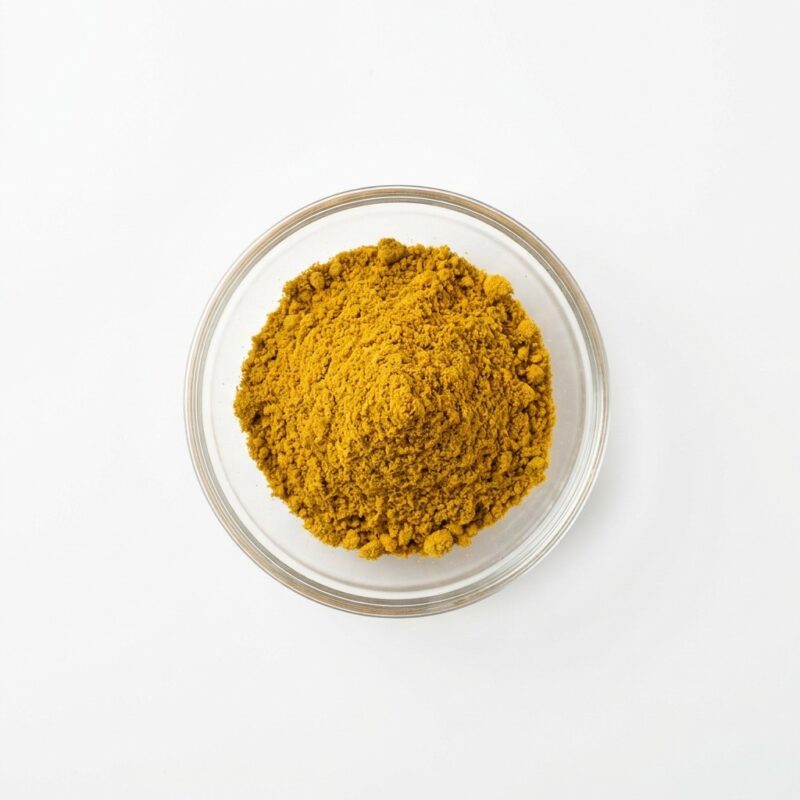
Curcumin Powder Extract is a concentrated extract derived from the rhizomes of Curcuma longa (turmeric), standardised to contain 10.0% curcuminoids (HPLC). Curcumin is the primary bioactive polyphenol in turmeric and one of the most extensively researched natural anti-inflammatory and antioxidant compounds in the world, with thousands of published studies supporting its wide-ranging health benefits.
Despite its remarkable bioactivity, native curcumin has relatively low bioavailability — making the choice of curcumin extract formulation critical. This standardised 10.0% curcumin extract provides a reliable, concentrated curcuminoid base suitable for pairing with bioavailability enhancers such as piperine or lecithin in finished product formulations.
Applications:
- Nutraceuticals (anti-inflammatory supplements, joint health capsules, antioxidant blends)
- Sports Nutrition (muscle recovery, post-workout anti-inflammatory formulations)
- Cognitive Health (neuroprotective and anti-inflammatory brain health supplements)
- Functional Foods (turmeric-fortified health products, golden milk formulations)
Key Features & Benefits:
- 10.0% curcuminoids (HPLC) – standardised and consistent potency
- Potent natural anti-inflammatory and antioxidant properties
- One of the most extensively studied natural health ingredients globally
- Halal-certified & food-grade quality
- Suitable for capsule, tablet, and food fortification applications
Curcuminoids, not just curcumin
“Curcuminoids” are three related compounds: curcumin, demethoxycurcumin and bisdemethoxycurcumin. HPLC reports each one and their sum; UV methods report a total and can read higher. A 10% curcuminoid extract is a modest standardisation. Many curcumin extracts on the market are standardised to around 95% curcuminoids, so check which grade a price refers to. Turmeric essential oil is a different product with no curcumin: see Turmeric Oil.
Authenticity and contamination
Turmeric and curcumin have well-documented adulteration problems. They include synthetic curcumin sold as natural, and colourants added to raw turmeric, including lead chromate and synthetic dyes. Ask for lead and chromium results, a dye screen, and a natural-origin statement; natural and synthetic curcumin can be told apart by isotope analysis.
Formulation
Curcumin is poorly water-soluble and poorly absorbed on its own, which is why it is often formulated with absorption aids such as Black Pepper Extract (Piperine) or in dispersible forms. It is yellow-orange and sensitive to light and alkaline pH, which affects colour stability in finished products.
What the research says
- A 2023 network meta-analysis of 23 randomised trials (2,175 people with knee osteoarthritis) found that curcumin reduced pain (VAS) and total WOMAC scores compared with placebo, and reduced the use of rescue medication. Curcumin had fewer adverse reactions than NSAIDs. [1]
- The evidence is mixed in inflammatory conditions. A 2025 meta-analysis of 7 randomised trials (314 patients with rheumatoid arthritis or systemic lupus erythematosus) found no significant effect of curcumin or Curcuma longa extract on DAS-28, ESR or CRP, with substantial differences between trials. [2]
These summaries describe published research on the ingredient. They are not claims for any finished product; claims on finished products must meet the rules of the market where they are sold.
References
- Zhao J, et al. Efficacy and safety of curcumin therapy for knee osteoarthritis: a Bayesian network meta-analysis. J Ethnopharmacol. 2023;321:117493. doi:10.1016/j.jep.2023.117493
- Liu AJ, et al. Effects of curcumin and Curcuma longa extract on inflammatory biomarkers in patients with rheumatoid arthritis (RA) and systemic lupus erythematosus (SLE): a systematic review and meta-analysis of randomized controlled trials. Inflamm Res. 2025;75(1):2. doi:10.1007/s00011-025-02135-z
Halal certification
This ingredient is listed as “Turmeric (Curcumin) Extract” on FC Materials’ Halal certificate (Sijil Pengesahan Halal, MS 1500:2019), issued through the Penang Islamic Religious Council (MAINPP) and the Department of Islamic Development Malaysia (JAKIM). Reference JAKIM.700-2/3/1 105-07/2022, valid until 15 October 2028. Ask us for a copy.
What to ask for on the certificate of analysis
- Species (Curcuma longa), plant part (rhizome) and extraction solvent
- Total curcuminoids by HPLC, with the three individual curcuminoids
- Natural-origin statement (not synthetic curcumin)
- Heavy metals including lead and chromium; dye screen
- Residual solvents and pesticide residues
- Microbiology: total plate count, yeast and mould, E. coli, Salmonella
- Carrier (if any), Halal certificate, batch number, manufacture and retest dates