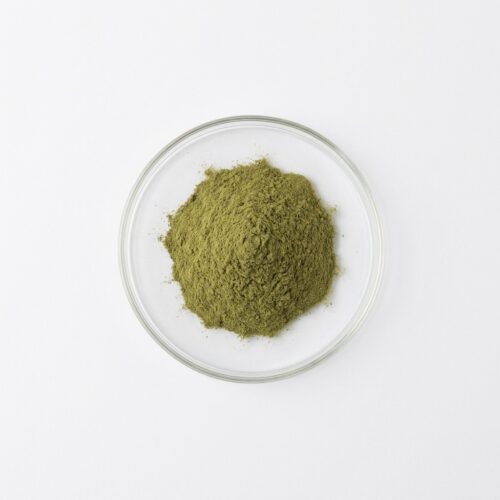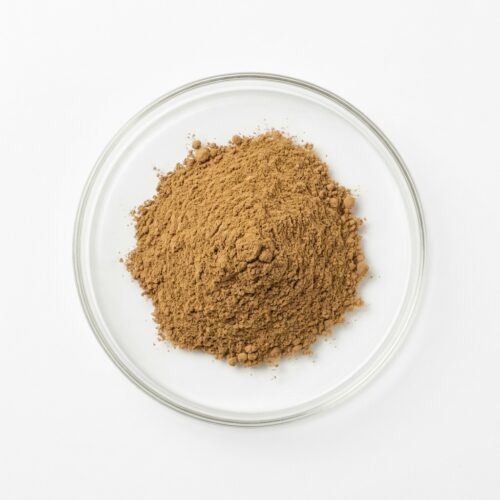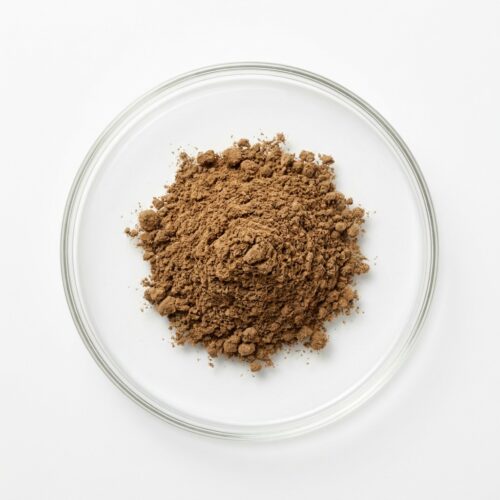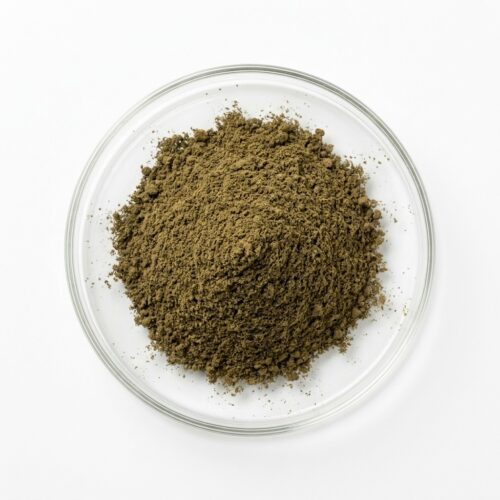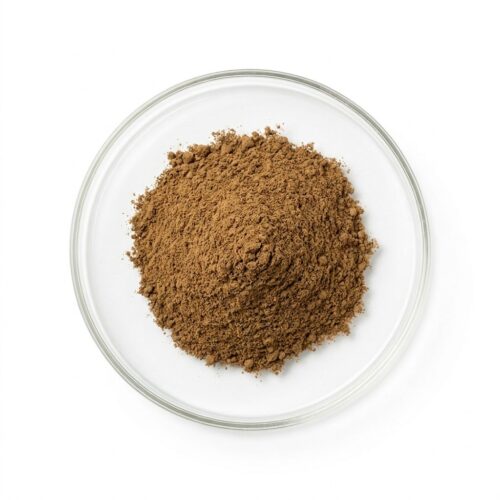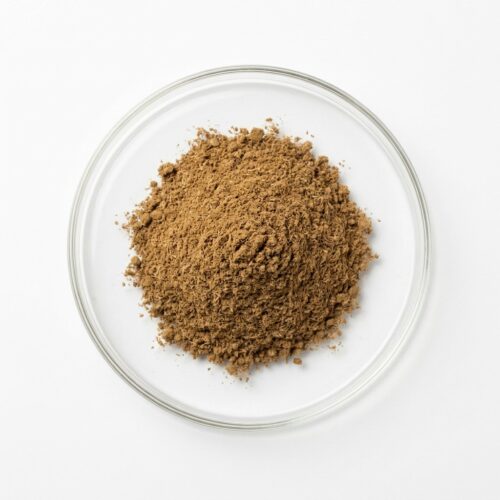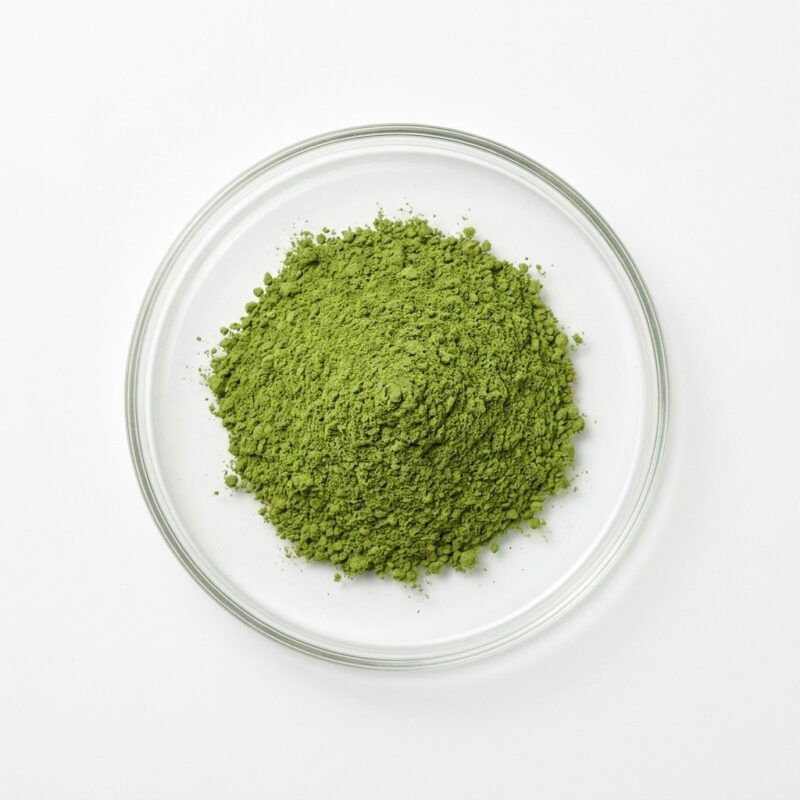
Moringa Extract (10:1) is a concentrated botanical extract derived from the leaves of Moringa oleifera, widely regarded as one of the world’s most nutrient-dense plants. At a 10:1 concentration ratio, this Halal-certified extract provides a potent dose of isothiocyanates, quercetin, chlorogenic acid, and an exceptionally broad spectrum of vitamins, minerals, and essential amino acids.
Moringa is a rapidly growing global superfood ingredient with widespread consumer recognition and appeal in the health food, natural supplement, and clean nutrition markets.
Applications:
- Nutraceuticals (general nutrition supplements, antioxidant capsules, green superfood blends)
- Functional Foods (moringa-fortified health bars, smoothie powders, health beverages)
- Beauty Supplements (skin health and anti-ageing formulations)
- Maternal & Child Health (nutritional fortification products)
Key Features & Benefits:
- 10:1 concentrated nutrient-dense superfood extract
- Exceptional breadth of vitamins, minerals, amino acids, and antioxidants
- Rapidly growing global superfood ingredient with strong consumer appeal
- Halal-certified & food-grade quality
- Suitable for capsule, powder, food fortification, and beverage formulations
Leaf extract, not seed oil
This product is an extract of Moringa oleifera leaves. It is a different material from Moringa Oil, which is pressed from the seeds. The leaves carry glucosinolates (notably glucomoringin), flavonoids such as quercetin glycosides, and chlorogenic acid. The isothiocyanates often mentioned for moringa form when the plant enzyme myrosinase acts on glucosinolates, and heat during drying and extraction can inactivate that enzyme. Ask how the extract was processed if glucosinolate-related content matters.
What “10:1” does and does not tell you
The ratio describes concentration from leaf to extract, not a marker content. If a formula depends on a specific compound, ask for a marker assay such as total flavonoids or glucosinolates, with its method.
Contaminants
Moringa leaf is grown and dried in many regions under varied conditions, so heavy metals and microbiology are the critical specification lines, together with pesticide residues.
What to ask for on the certificate of analysis
- Species (Moringa oleifera), plant part (leaf), extraction solvent and ratio
- Marker assay (for example total flavonoids or glucosinolates) with the method, if specified
- Heavy metals: lead, arsenic, cadmium and mercury
- Microbiology: total plate count, yeast and mould, E. coli, Salmonella
- Pesticide residues and residual solvents
- Loss on drying, carrier (if any), Halal certificate
- Batch number, manufacture and retest dates