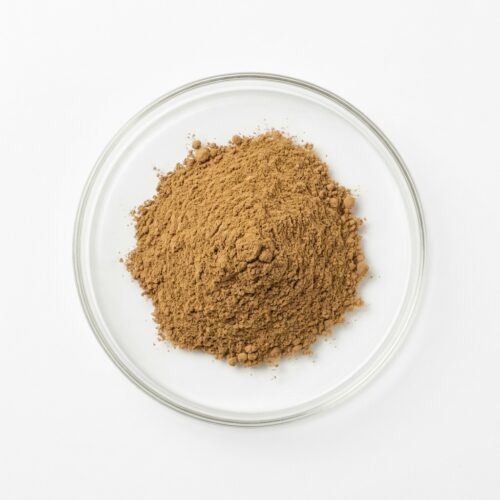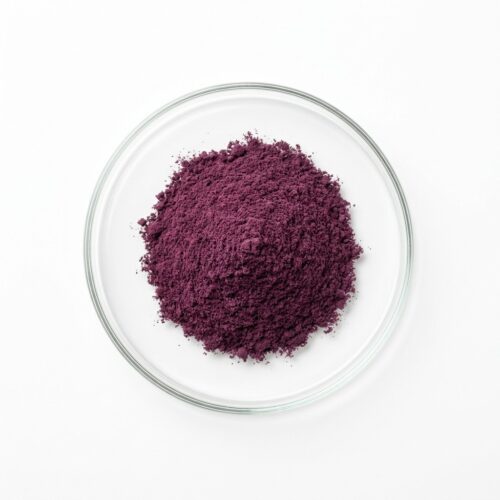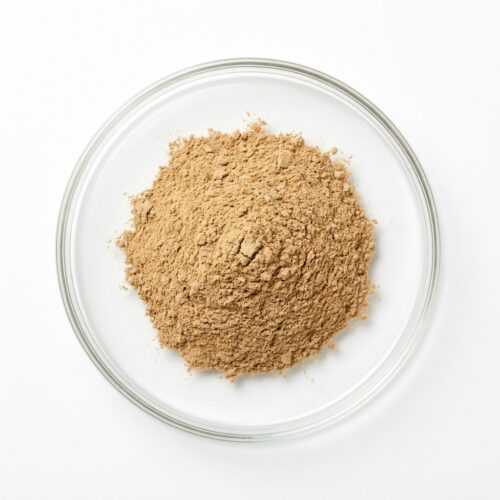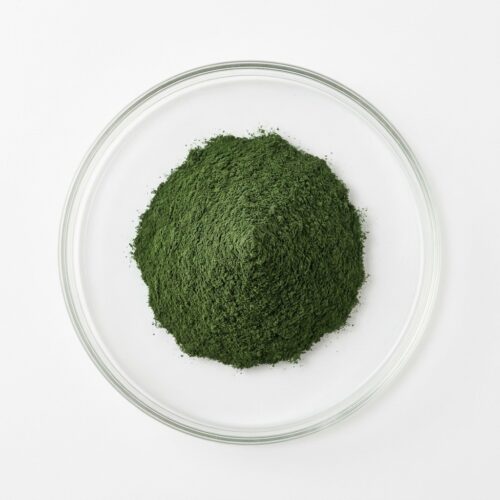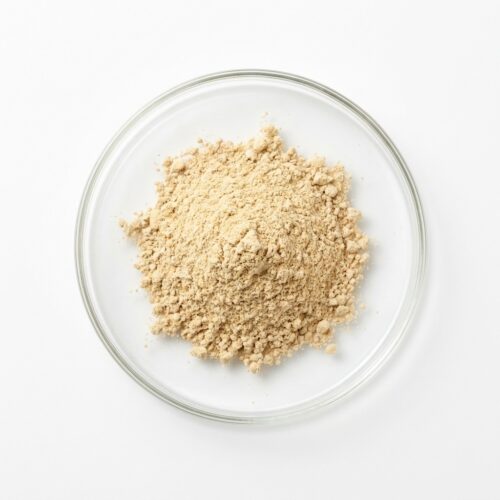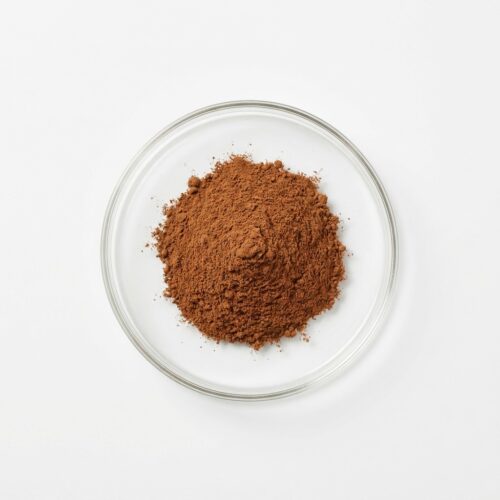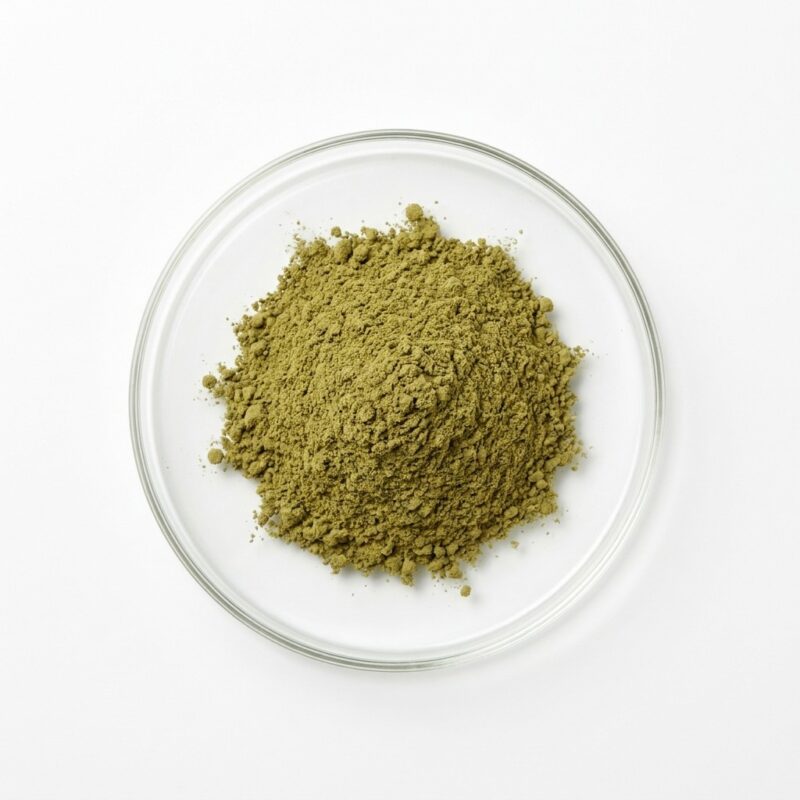
Papaya Leaf Extract (10:1) is a concentrated botanical extract derived from the leaves of Carica papaya, one of the most recognised medicinal plants in Malaysia and Southeast Asia. At a 10:1 concentration ratio, this Halal-certified extract delivers a potent dose of acetogenins, carpaine, papain, and flavonoids — bioactive compounds associated with platelet-elevating activity, anti-dengue properties, digestive enzyme support, and immune modulation.
In Malaysia, Papaya Leaf Extract has become one of the most widely consumed local botanical supplements, particularly for dengue fever recovery and platelet support — a uniquely high-value application in the ASEAN market.
Applications:
- Nutraceuticals (dengue fever recovery formulations, platelet support supplements, immune health)
- Digestive Health (papain-based digestive enzyme supplements)
- Traditional Herbal Medicine (Malaysian traditional remedy formulations)
- General Wellness (immunity and blood health supplements)
Key Features & Benefits:
- 10:1 concentrated extract with platelet-elevating and anti-dengue properties
- Uniquely high-demand ingredient in the Malaysian and ASEAN supplement market
- Rich in papain digestive enzymes and flavonoid antioxidants
- Halal-certified & food-grade quality
- Suitable for capsule, liquid, and powder formulations
What is in papaya leaf
Papaya leaf extract is made from the leaves of Carica papaya. The leaves contain the alkaloid carpaine, flavonoids and phenolic acids. Papain, the protein-digesting enzyme, is concentrated in the latex of the unripe fruit; enzyme activity in a dried leaf extract should not be assumed unless it is measured.
Leaf, latex and fruit are different materials
Papaya leaf, papain (from latex) and papaya fruit powder are separate ingredients with different specifications. Ask for the plant part on the specification, and do not apply data on papain or fruit to a leaf extract. A 10:1 ratio describes concentration, not content; if a marker such as carpaine or total flavonoids matters, ask for it with its method.
Claims need care
In Malaysia, papaya leaf is widely used during dengue, and products are often marketed for platelet support. Dengue is a medical condition, so disease claims are regulated. The research below shows why the evidence is described as limited.
What the research says
- A 2019 systematic review of 9 studies (including one from Malaysia) found that 7 reported higher platelet counts with C. papaya extract. Low-quality evidence suggested a shorter hospital stay (about 2 days, 3 studies, 580 participants). The authors concluded that current evidence is insufficient to judge its role in dengue. [1]
- A 2016 meta-analysis of 4 randomised trials (439 participants) found that papaya leaf extract was associated with higher platelet counts and fewer hospital days. Mortality and adverse events could not be pooled, and the authors call for large, high-quality trials. [2]
These summaries describe published research on the ingredient. They are not claims for any finished product; claims on finished products must meet the rules of the market where they are sold.
References
- Rajapakse S, et al. Carica papaya extract in dengue: a systematic review and meta-analysis. BMC Complement Altern Med. 2019;19(1):265. doi:10.1186/s12906-019-2678-2
- Charan J, et al. Efficacy and safety of Carica papaya leaf extract in the dengue: a systematic review and meta-analysis. Int J Appl Basic Med Res. 2016;6(4):249-254. doi:10.4103/2229-516X.192596
What to ask for on the certificate of analysis
- Botanical name and plant part (Carica papaya leaf)
- Extraction ratio, solvent and carrier with its percentage
- Marker content and method, if specified (e.g. carpaine or total flavonoids)
- Identity test (TLC or HPLC fingerprint)
- Loss on drying, heavy metals (lead, arsenic, cadmium, mercury) and pesticide residues
- Microbiology: total plate count, yeast and mould, E. coli, Salmonella
- Batch number, manufacture and retest dates