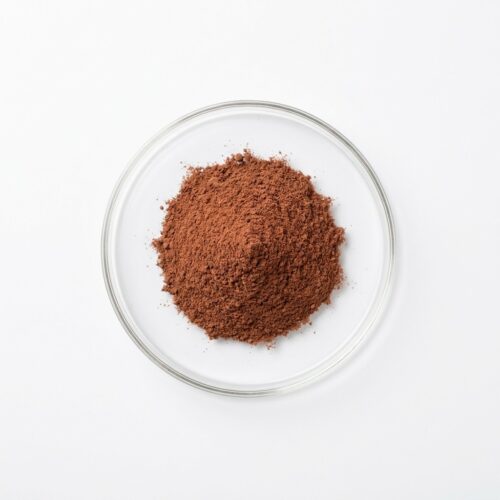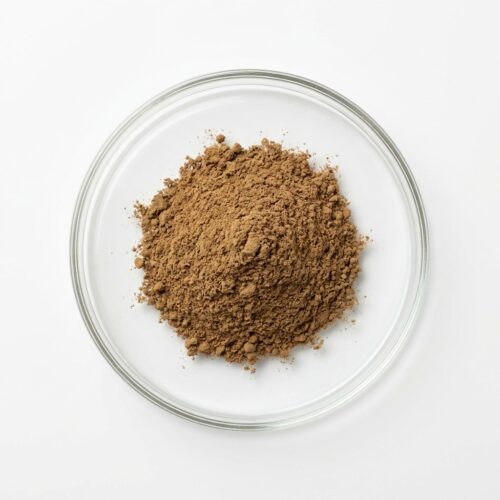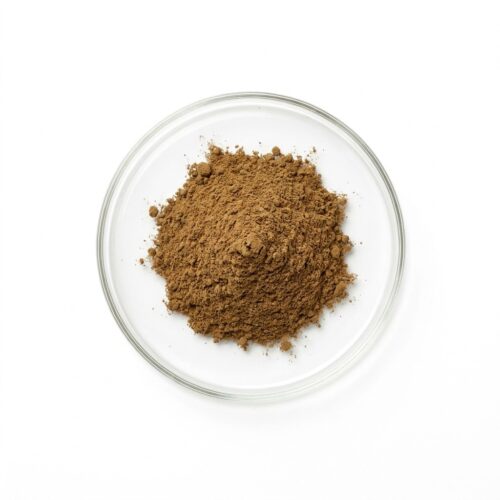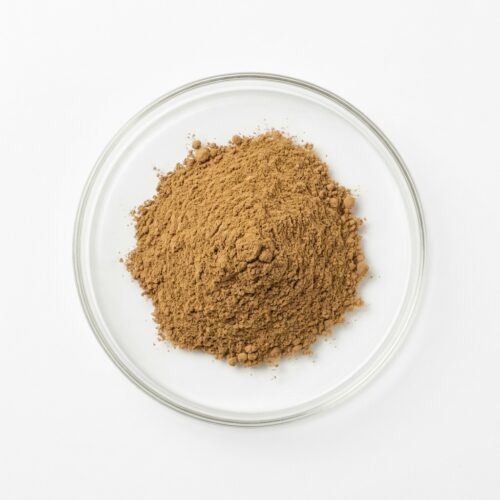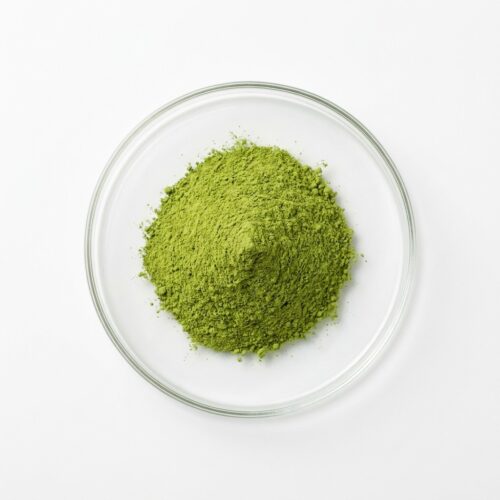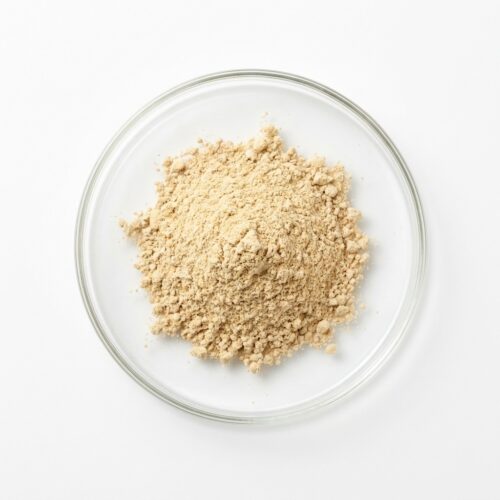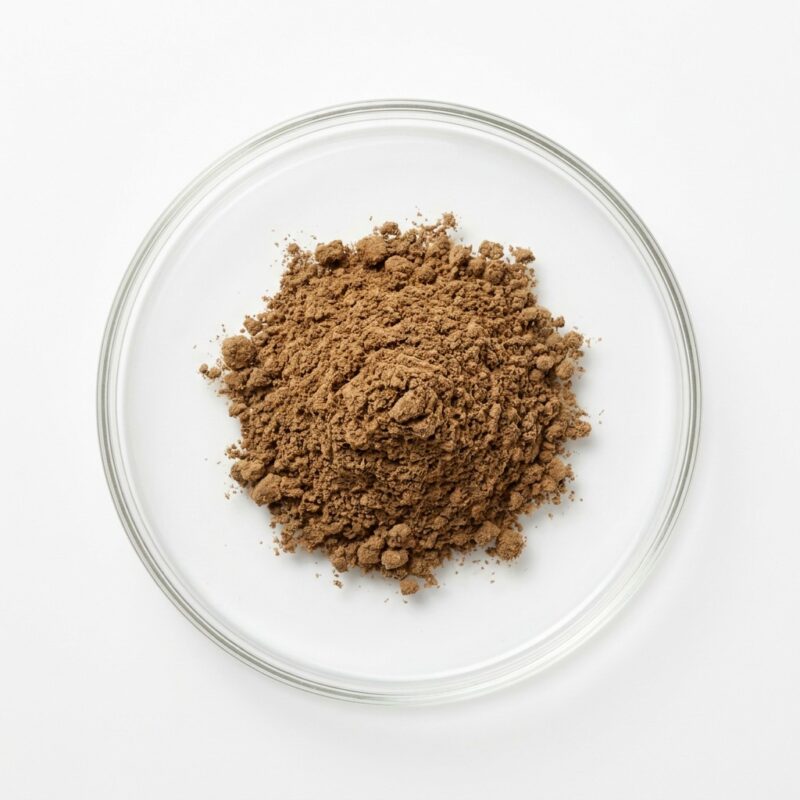
Burdock Root Extract (10:1) is a concentrated botanical extract derived from the root of Arctium lappa, a plant widely used in Traditional Chinese Medicine, Japanese Kampo medicine, and European herbal traditions for its detoxifying, anti-inflammatory, and skin-purifying properties. At a 10:1 concentration ratio, this Halal-certified extract delivers a potent dose of inulin, chlorogenic acid, quercetin, and arctigenin — the key bioactive compounds responsible for its therapeutic benefits.
Burdock Root has a long history of use as a blood purifier and skin health botanical, and has gained renewed interest in the global beauty supplement and detox market.
Applications:
- Nutraceuticals (liver detox supplements, blood purifier formulations, digestive health)
- Beauty Supplements (skin-clearing formulations, beauty drinks, anti-acne products)
- Traditional Medicine (TCM blood-cooling and detox formulations)
- Functional Foods (prebiotic-enriched health foods)
Key Features & Benefits:
- 10:1 concentrated extract with detox and anti-inflammatory activity
- Rich in inulin (prebiotic) and antioxidant polyphenols
- Traditional use for skin health, liver support, and blood purification
- Halal-certified & food-grade quality
- Suitable for capsule, tablet, and liquid formulations
Root and seed are different ingredients
Burdock (Arctium lappa) root is rich in inulin-type fructans and caffeoylquinic acids such as chlorogenic acid. The lignans arctiin and arctigenin are found mainly in the seed (fruit), which is a separate herbal material. Ask which part the extract is made from, and do not apply data on burdock seed or isolated arctigenin to a root extract.
Solvent shapes the profile
A hot-water root extract carries much of the inulin, so it behaves partly like a soluble fibre and can be hygroscopic. A hydroalcoholic extract carries less fructan and relatively more phenolics. The extraction ratio alone does not show which you are buying, so ask for the solvent and any marker figure with its method.
Identity and allergy
Dried burdock root has in the past been contaminated with belladonna root, which caused poisoning from burdock tea. An identity test that would detect substitution is therefore worth asking for. Burdock belongs to the daisy family (Asteraceae), so consider an allergy statement. It is often formulated with Dandelion Root Extract and Milk Thistle Extract.
What to ask for on the certificate of analysis
- Botanical name and plant part (Arctium lappa root)
- Extraction ratio, solvent and carrier with its percentage
- Identity test able to detect substitution (TLC or HPLC fingerprint)
- Marker content and method, if specified (e.g. chlorogenic acid or inulin)
- Loss on drying, heavy metals and pesticide residues
- Microbiology: total plate count, yeast and mould, E. coli, Salmonella
- Batch number, manufacture and retest dates