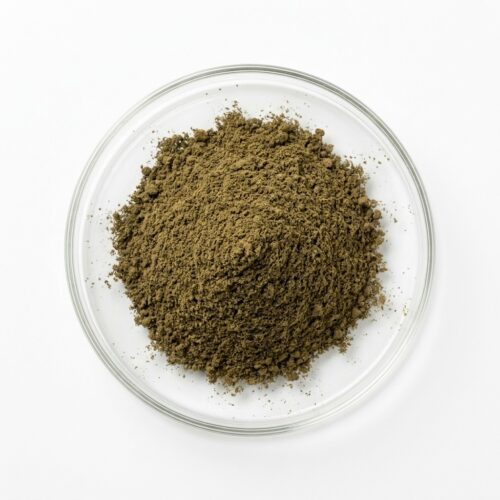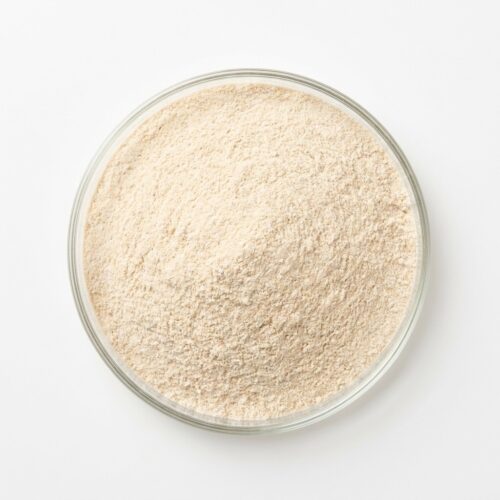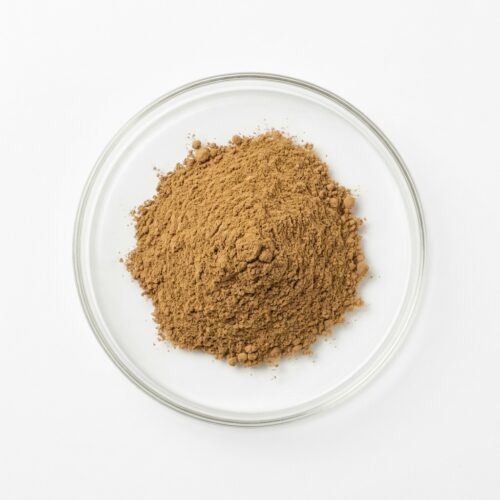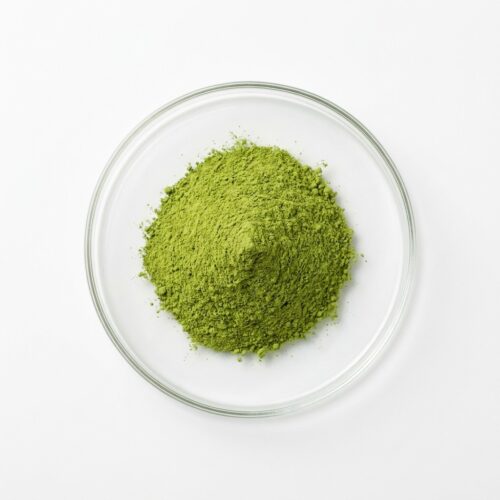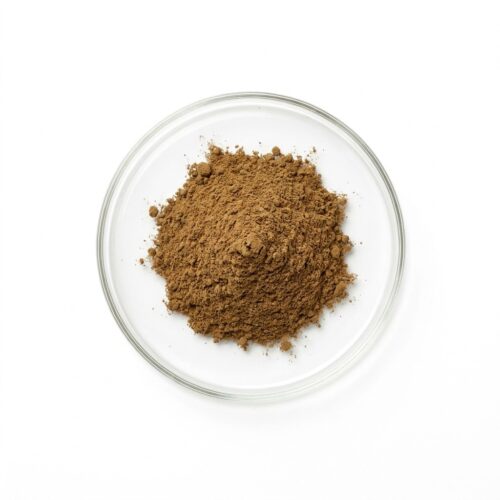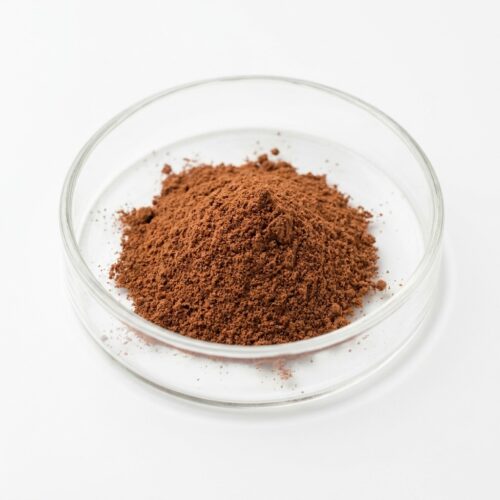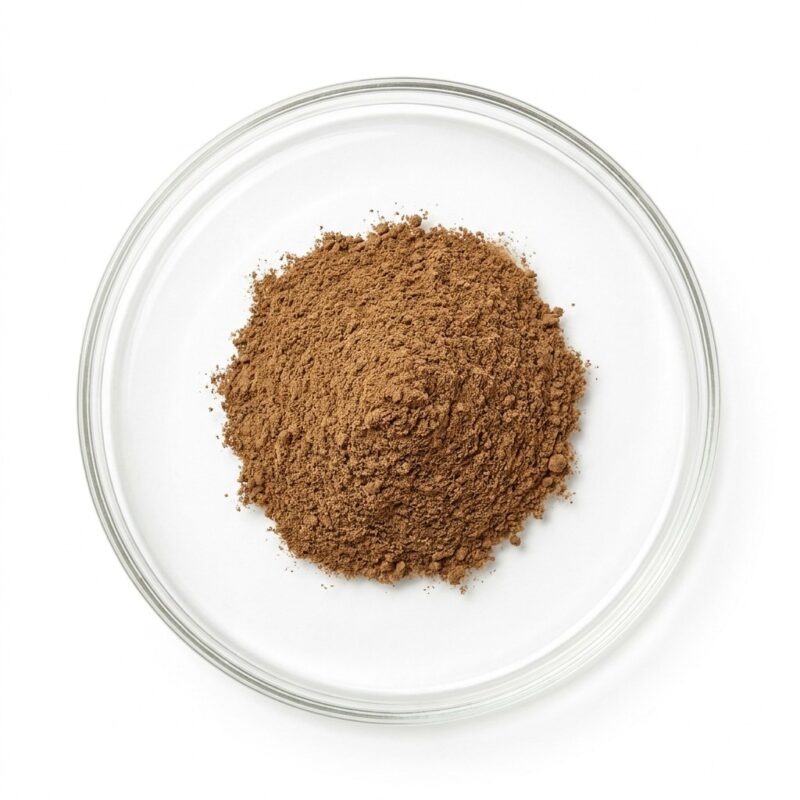
Milk Thistle Extract (10:1) is a concentrated botanical extract derived from the seeds of Silybum marianum, standardised for its silymarin content — a complex of flavonolignans (primarily silybin, silydianin, and silychristin) recognised as the most studied hepatoprotective botanical compounds in clinical medicine. At a 10:1 concentration ratio, this Halal-certified extract provides a potent silymarin-rich dose for liver protection and regeneration.
Milk Thistle is the gold standard liver health botanical ingredient globally, with extensive clinical evidence supporting its hepatoprotective, antioxidant, and anti-inflammatory properties in the liver.
Applications:
- Nutraceuticals (liver protection and detox capsules, hepatoprotective formulations)
- Functional Foods (liver health fortified products)
- Post-Alcohol Wellness (hangover prevention and liver recovery products)
- Traditional Herbal Medicine (liver tonic and detox formulations)
Key Features & Benefits:
- 10:1 concentrated silymarin-rich hepatoprotective extract
- Gold standard liver health botanical with extensive clinical evidence
- Protects liver cells from toxin damage and supports regeneration
- Halal-certified & food-grade quality
- Suitable for capsule, tablet, and liquid formulations
Silymarin, and how it is measured
Milk thistle extracts are standardised on silymarin, a mixture of flavonolignans (silybin A and B, isosilybin, silychristin and silydianin) plus taxifolin. The figure depends on the method. UV (spectrophotometric) assays report a broad total and typically give higher percentages than HPLC, which sums the individual compounds. Many commercial extracts are sold at around 80% silymarin by UV; FC lists one as Milk Thistle Extract 80%. A “10:1” ratio, by contrast, gives no silymarin figure.
Solubility and formulation
Silymarin is poorly soluble in water. This limits its use in clear drinks and is the reason for complexed or phospholipid forms in the market. In capsules and tablets, the extract’s bulk density and flow matter more than solubility.
Contaminants
The seeds are an agricultural commodity, so mycotoxins, pesticide residues and residual extraction solvent belong on the specification alongside heavy metals.
What the research says
- A 2025 Cochrane review of 17 randomised trials (2,069 adults with metabolic dysfunction-associated steatotic liver disease, MASLD) found that silymarin alone may lower ALT by 7.21 U/L compared with placebo or no treatment (6 trials, 409 participants), but the evidence is very uncertain. The reviewers conclude that the benefits and harms of silymarin in MASLD are unclear. [1]
- A 2025 meta-analysis of 55 randomised trials (3,545 patients) found that silymarin lowered AST and ALT but not ALP. Enzymes fell in patients with NAFLD and viral hepatitis, but not in drug-induced or alcohol-related liver disease. [2]
These summaries describe published research on the ingredient. They are not claims for any finished product; claims on finished products must meet the rules of the market where they are sold.
References
- Wang C, et al. Silymarin for adults with metabolic dysfunction-associated steatotic liver disease. Cochrane Database Syst Rev. 2025;6(6):CD015524. doi:10.1002/14651858.CD015524.pub2
- Shahsavari K, et al. Are alterations needed in Silybum marianum (Silymarin) administration practices? A novel outlook and meta-analysis on randomized trials targeting liver injury. BMC Complement Med Ther. 2025;25(1):134. doi:10.1186/s12906-025-04886-y
What to ask for on the certificate of analysis
- Species (Silybum marianum), plant part (seed) and extraction solvent
- Silymarin content with the method (UV or HPLC), and silybin content by HPLC
- Residual solvents, pesticide residues and mycotoxins
- Heavy metals: lead, arsenic, cadmium and mercury
- Microbiology: total plate count, yeast and mould, E. coli, Salmonella
- Loss on drying, carrier (if any), Halal certificate
- Batch number, manufacture and retest dates