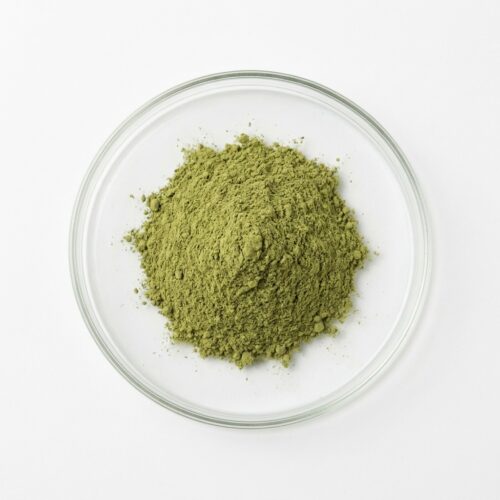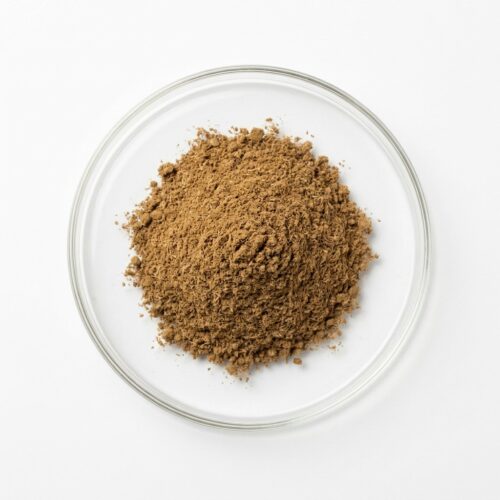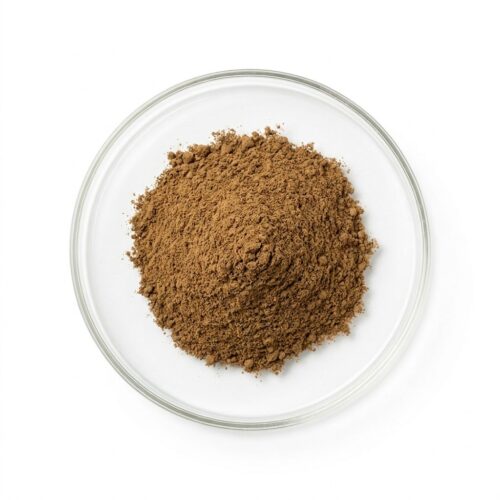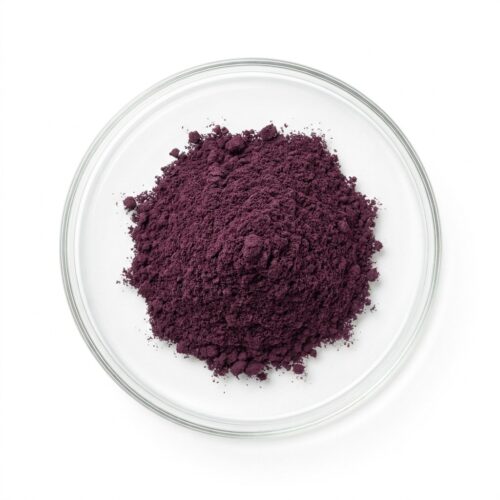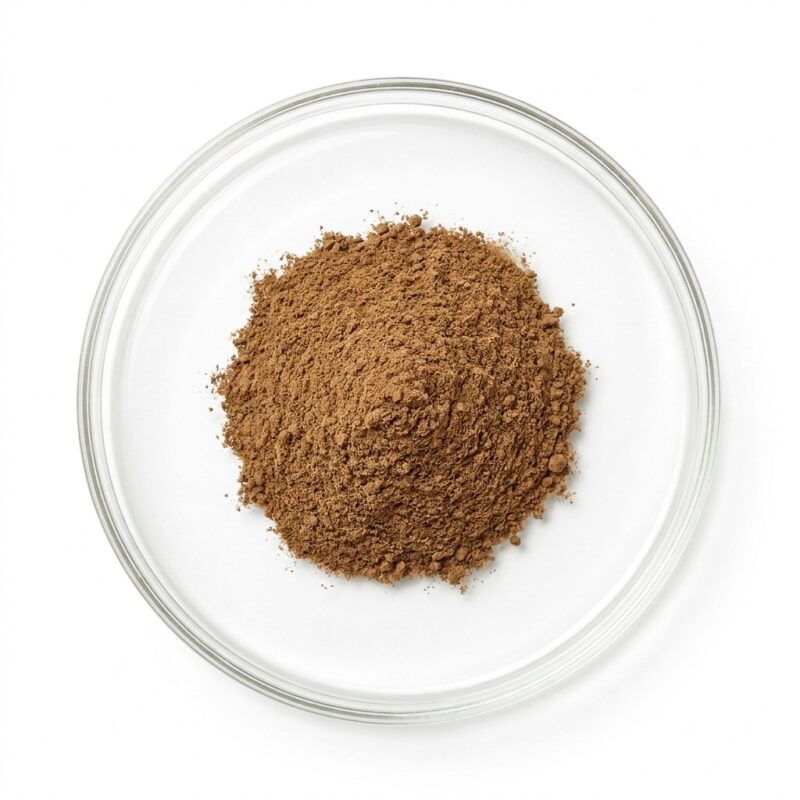
Milk Thistle Extract 80% (Silymarin) is standardised to 80% silymarin — the highest commercially available concentration of Silybum marianum’s hepatoprotective flavonolignans (silybin, silydianin, silychristin). Silybin is the most potent hepatoprotective compound known, acting as a membrane stabiliser, free radical scavenger, and protein synthesis stimulator in damaged liver cells. The 80% grade is the pharmaceutical standard for liver protection and detoxification.
Applications:
- Pharmaceutical-grade liver protection and hepatitis support
- Alcohol and toxin-induced liver damage formulations
- Fatty liver and NAFLD management supplements
- Detox and cleansing supplement formulations
Key Features & Benefits:
- 80% silymarin — pharmaceutical-grade highest standardisation
- Silybin — most clinically validated hepatoprotective compound
- Stabilises hepatocyte membranes against toxin penetration
- No animal substance – halal-certified
- Supports liver regeneration and protein synthesis
How the 80% is measured
Silymarin is a mixture of flavonolignans (silybin A and B, isosilybin A and B, silychristin and silydianin) plus taxifolin. The commercial 80% grade is usually specified by UV spectrophotometry, calculated as silybin. HPLC measures each compound separately and often gives a lower total for the same batch. Ask which method the 80% refers to, and request the HPLC profile as well.
Extraction and solubility
Silymarin comes from the seed (fruit) of Silybum marianum. The seed is usually defatted and then extracted with organic solvents, so residual solvents belong on the COA. Silymarin is poorly soluble in water. Phospholipid complexes and other enhanced-absorption forms are different materials with their own specifications; a plain 80% extract cannot borrow their study results.
Seed contaminants
As a seed crop, milk thistle can carry mycotoxins. Ask for aflatoxins plus a broader mycotoxin screen, and for pesticide residues.
Grades
FC also offers a lower-cost ratio extract: Milk Thistle Extract (10:1), which includes a summary of the published research on silymarin. A ratio describes the extraction, not the silymarin content, so compare grades on silymarin.
What to ask for on the certificate of analysis
- Species, plant part (seed) and extraction solvent
- Silymarin by UV (state the method), plus the HPLC profile of the individual flavonolignans
- Loss on drying and residue on ignition
- Residual solvents
- Aflatoxins and a broader mycotoxin screen; pesticide residues
- Heavy metals and microbiology
- Halal certificate, batch number, manufacture and retest dates