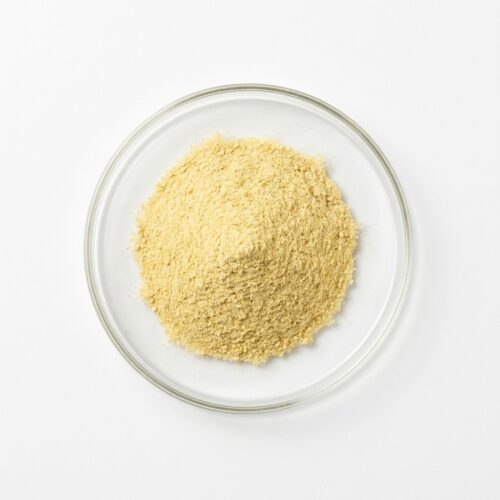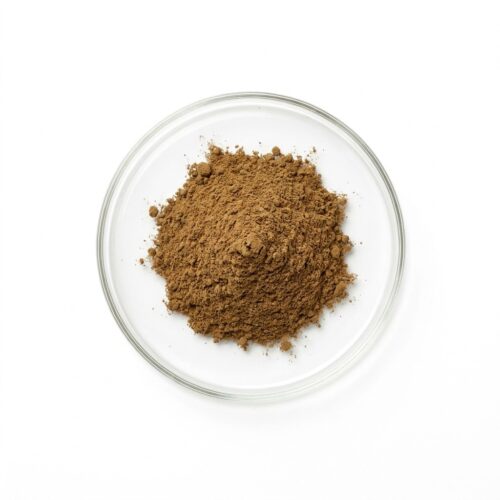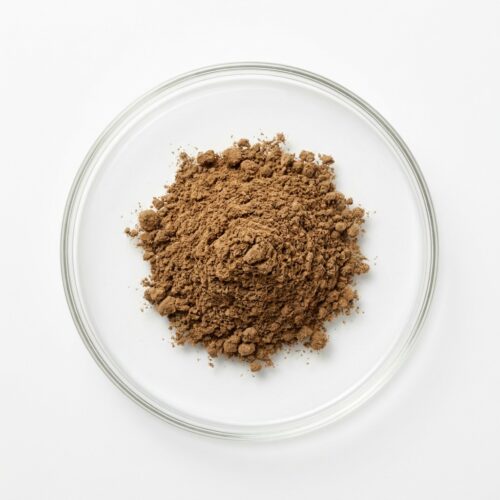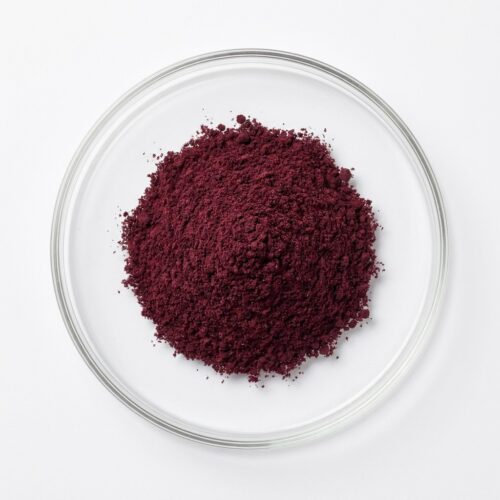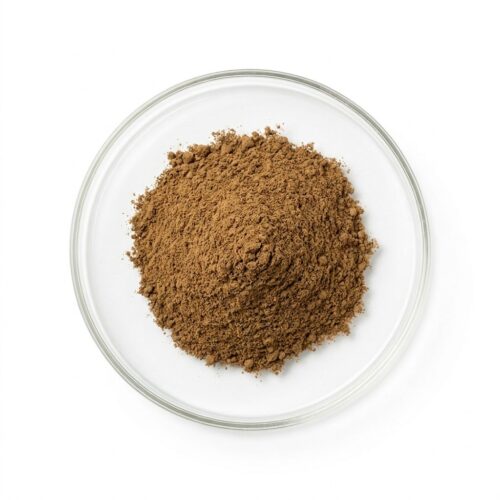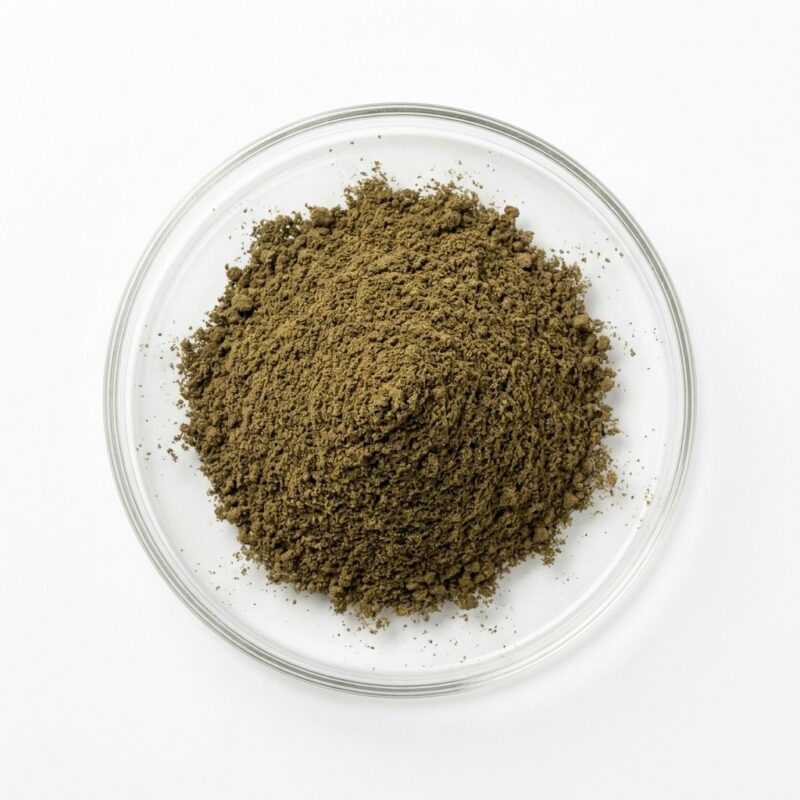
Andrographis Extract (10:1) is a concentrated botanical extract derived from the aerial parts of Andrographis paniculata, commonly known as ‘King of Bitters’ (Hempedu Bumi in Malay). At a 10:1 concentration ratio, this Halal-certified extract delivers a potent dose of andrographolides — the primary bioactive diterpene lactones responsible for the plant’s well-documented immune-supportive and anti-inflammatory properties.
Andrographis paniculata is one of the most widely researched medicinal herbs in Asian traditional medicine systems, with a rich history of use in Ayurvedic, Traditional Chinese Medicine (TCM), and Malaysian traditional healing practices.
Applications:
- Nutraceuticals (immune support capsules, cold & flu formulations, antiviral blends)
- Traditional Health Products (Hempedu Bumi extract supplements, bitter tonic formulations)
- Functional Foods & Beverages (immune-boosting health drinks)
- Pharmaceutical Botanicals (standardised herbal medicine ingredients)
Key Features & Benefits:
- 10:1 concentrated andrographolide-rich extract
- Clinically studied immune-support and anti-inflammatory properties
- Deeply rooted in Asian traditional medicine (Ayurveda, TCM, Malay traditional)
- Halal-certified & food-grade quality
- Suitable for capsule, tablet, and powder formulations
Andrographolide is the marker that matters
The main active compounds of Andrographis paniculata (hempedu bumi) are diterpene lactones, led by andrographolide, with related compounds such as neoandrographolide and 14-deoxy-11,12-didehydroandrographolide. A 10:1 ratio tells you how much dried herb went into the extract, not how much andrographolide it contains. Most clinical work refers to extracts with a stated andrographolide content, so ask for that figure and its method (HPLC).
Stability and taste in formulation
Andrographolide is a lactone and is less stable in alkaline conditions and at high temperatures, so check it in your finished product during stability testing, not only in the raw material. The extract is intensely bitter, which is why it is mostly used in capsules and coated tablets rather than drinks.
Aerial parts, not root
Hempedu bumi extract is normally made from the aerial parts (leaf and stem), and andrographolide content varies with plant part, harvest time and drying. An identity test such as an HPLC fingerprint confirms the species. It is sometimes combined with Echinacea Extract in seasonal formulations.
What the research says
- A 2017 meta-analysis of 33 randomised trials (7,175 patients) found that A. paniculata improved cough and sore throat compared with placebo, and improved overall symptoms of acute respiratory tract infections. Minor side effects were mainly gastrointestinal. The authors rated the overall quality of the trials as poor and advise caution. [1]
- A 2021 safety meta-analysis (10 randomised trials and 3 monitoring studies) found serious adverse events very rare (0.02 per 1,000 patients), but non-serious events common (102.6 per 1,000 patients in trials), mostly gastrointestinal and skin reactions. The authors advise that users be informed and monitored. [2]
These summaries describe published research on the ingredient. They are not claims for any finished product; claims on finished products must meet the rules of the market where they are sold.
References
- Hu XY, et al. Andrographis paniculata (Chuān Xīn Lián) for symptomatic relief of acute respiratory tract infections in adults and children: a systematic review and meta-analysis. PLoS One. 2017;12(8):e0181780. doi:10.1371/journal.pone.0181780
- Worakunphanich W, et al. Safety of Andrographis paniculata: a systematic review and meta-analysis. Pharmacoepidemiol Drug Saf. 2021;30(6):727-739. doi:10.1002/pds.5190
What to ask for on the certificate of analysis
- Botanical name and plant part (Andrographis paniculata aerial parts)
- Extraction ratio, solvent and carrier with its percentage
- Andrographolide (or total andrographolides) content by HPLC
- Identity test (TLC or HPLC fingerprint)
- Loss on drying, heavy metals (lead, arsenic, cadmium, mercury) and pesticide residues
- Microbiology: total plate count, yeast and mould, E. coli, Salmonella
- Batch number, manufacture and retest dates
Further reading