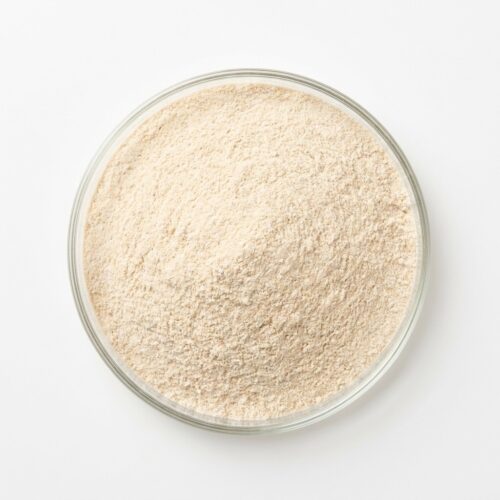
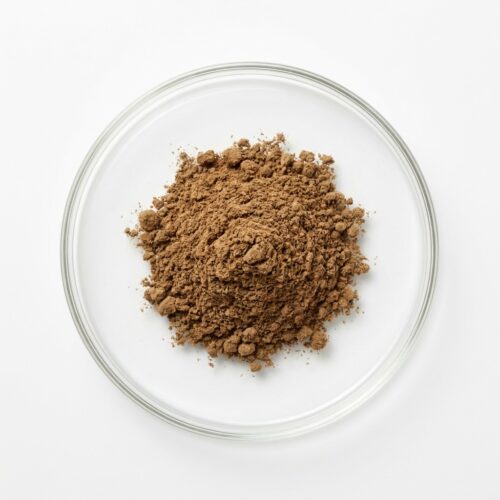
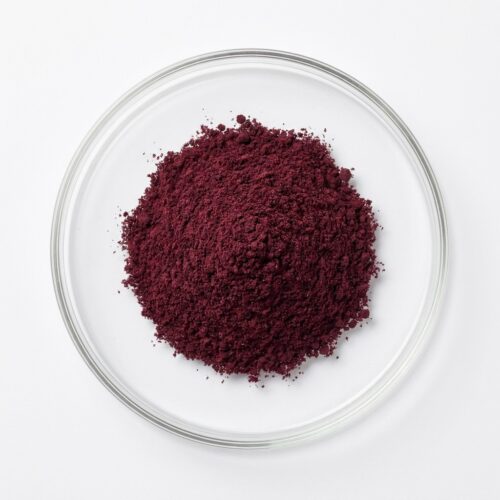
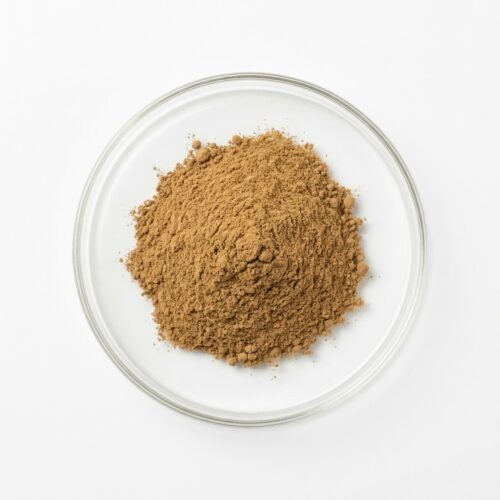
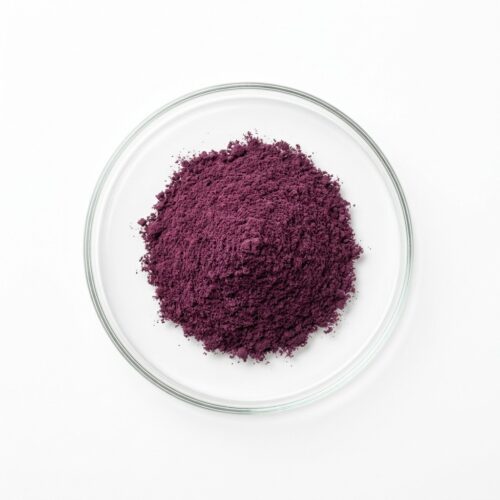
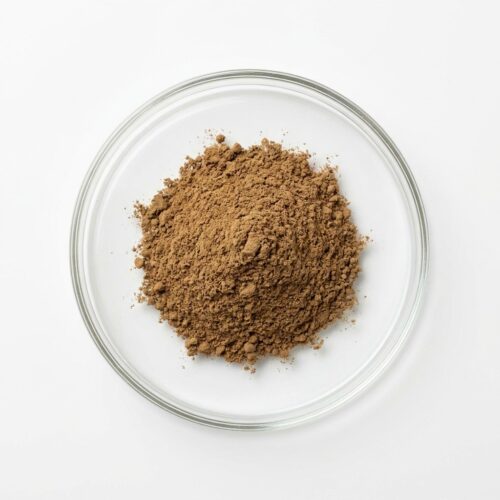
Morinda Root Extract (10:1) is a concentrated botanical extract derived from the root of Morinda officinalis (Ba Ji Tian), a highly prized tonic herb in Traditional Chinese Medicine (TCM). At a 10:1 concentration ratio, this Halal-certified extract delivers a potent dose of oligosaccharides, anthraquinones, and polysaccharides — bioactive compounds associated with kidney tonic, male vitality, anti-fatigue, and bone health properties.
Morinda officinalis (Ba Ji Tian) is a core ingredient in TCM kidney Yang tonic formulations and has growing application in modern male health and sports nutrition supplements.
Applications:
- Nutraceuticals (kidney Yang tonic formulations, male vitality and testosterone support, anti-fatigue supplements)
- TCM Supplements (Ba Ji Tian compound formulations, impotence and infertility support)
- Sports Nutrition (anti-fatigue and endurance blends)
- Bone Health (joint and bone support formulations)
Key Features & Benefits:
- 10:1 concentrated oligosaccharide and polysaccharide-rich tonic extract
- Classic TCM Ba Ji Tian kidney Yang tonic herb
- Male vitality, anti-fatigue, and bone health properties
- Halal-certified & food-grade quality
- Suitable for capsule, tonic, and powder formulations
Morinda root is not noni
Morinda officinalis root (Ba Ji Tian) and noni (Morinda citrifolia) fruit share a genus name but are different plants, plant parts and ingredients. Search results and supplier lists often mix them up, so state the full Latin name and the plant part (root) on every purchase specification and on the COA.
What is in the root
The constituents most often reported for Morinda root are inulin-type oligosaccharides, iridoid glycosides such as monotropein, and anthraquinones. A 10:1 ratio does not tell you how much of any of them the extract contains, so ask which marker the supplier tests and by which method (HPLC is usual for iridoids and oligosaccharides).
Processing and formulation notes
In Chinese herbal practice the root is traditionally processed with its woody core removed; ask whether this was done for your material. Oligosaccharide-rich extracts can be hygroscopic, so keep packs sealed and check flow in capsule filling. It is often formulated alongside Ginseng Extract or Tongkat Ali Extract.
What to ask for on the certificate of analysis
- Botanical name and plant part (Morinda officinalis root), clearly distinguished from noni
- Extraction ratio, solvent and carrier with its percentage
- Marker content (e.g. monotropein or oligosaccharides) with the test method, if specified
- Identity test (TLC or HPLC fingerprint)
- Loss on drying, heavy metals (lead, arsenic, cadmium, mercury) and pesticide residues
- Microbiology: total plate count, yeast and mould, E. coli, Salmonella
- Batch number, manufacture and retest dates