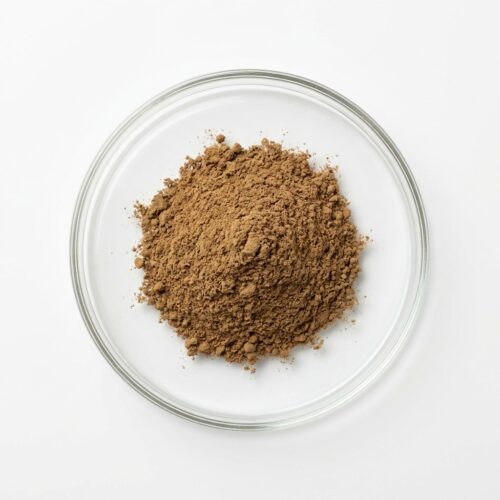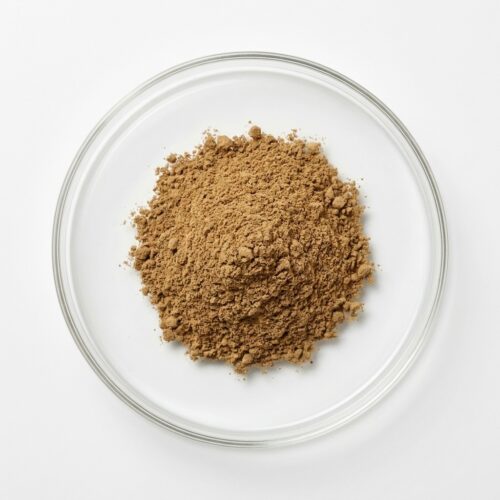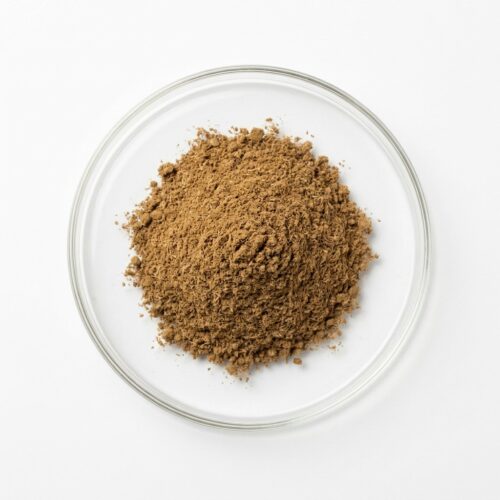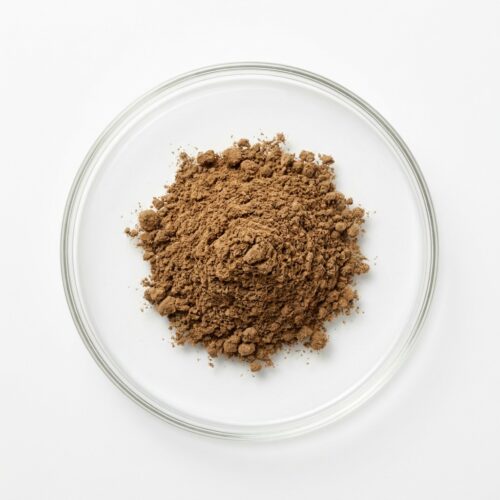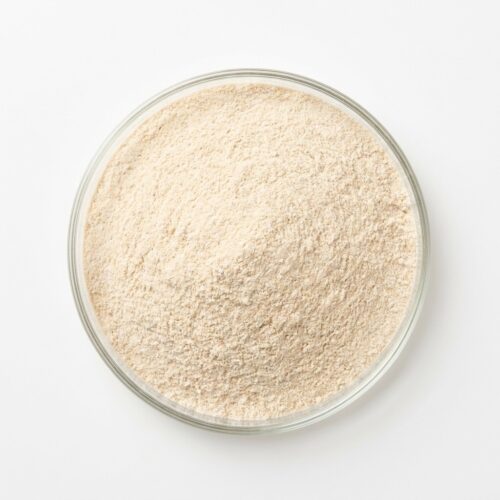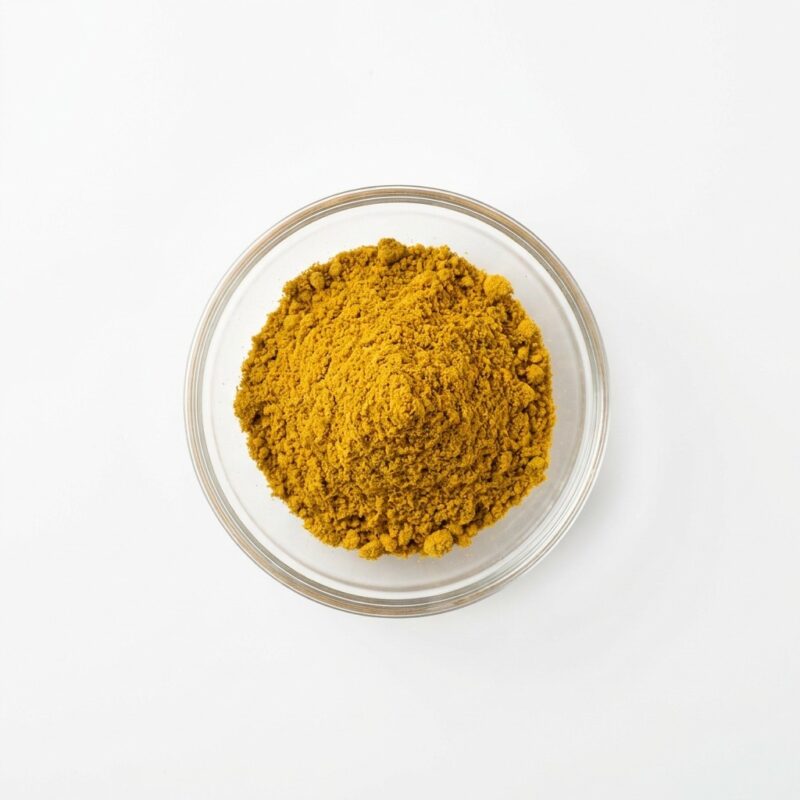
Beta Carotene 10% is a standardised, water-dispersible form of natural beta-carotene providing a guaranteed minimum 10% beta-carotene content. As a provitamin A carotenoid and potent antioxidant, it is widely used for immune support, skin health, and as a natural orange-yellow colourant in food and nutraceutical applications.
Applications:
- Natural food colouring (beverages, dairy, confectionery)
- Vitamin A fortification in food and supplement products
- Antioxidant and immune support formulations
- Skin health and anti-ageing supplements
Key Features & Benefits:
- 10% standardised beta-carotene — water-dispersible form
- Provitamin A — converts to retinol as needed by the body
- Natural orange-yellow colourant, heat and pH stable
- No animal substance – suitable for halal and vegan formulations
- Supports eye health, immune function, and skin integrity
What a 10% grade is
Pure beta-carotene is an oil-soluble crystal that does not mix into water. A 10% grade is a formulated product: beta-carotene dispersed in a matrix, usually as beadlets or a cold-water-dispersible (CWS) powder, with antioxidants such as tocopherol or ascorbyl palmitate. Other forms include 30% oil suspensions and crystals. The matrix determines whether it can be used in drinks, tablets or oils.
Check the matrix for Halal
Some beadlet grades use gelatin, which may be porcine or bovine. Others use acacia gum or modified starch. For Halal and vegetarian products, ask for the full matrix composition and the source of any gelatin.
Natural or synthetic
Beta-carotene is made by chemical synthesis, by fermentation (Blakeslea trispora), or extracted from algae (Dunaliella salina) or palm. Natural sources contain more of the 9-cis isomer; synthetic material is mainly all-trans. “Natural” labelling depends on the source, so it needs supporting documents. The sister page Beta-Carotene (Synthetic / Natural) covers the other forms. A related carotenoid is Lycopene.
Stability and labelling
Beta-carotene oxidises with light, heat and oxygen, which fades both colour and vitamin activity. Vitamin A conversion factors on labels depend on the form and the market’s rules.
What the research says
- A 2023 meta-analysis of 8 randomised trials found that beta-carotene supplements did not change overall cancer incidence (risk ratio 1.02) but increased the risk of lung cancer (risk ratio 1.19), with the potential harm noted especially for smokers. The authors do not recommend beta-carotene supplements for cancer prevention. [1]
- A 2022 meta-analysis of 10 trials (182,788 participants) found no cardiovascular benefit from beta-carotene supplements and a higher risk of cardiovascular death (risk ratio 1.12). [2]
These summaries describe published research on the ingredient. They are not claims for any finished product; claims on finished products must meet the rules of the market where they are sold.
References
- Zhang Y, et al. Association between β-carotene supplementation and risk of cancer: a meta-analysis of randomized controlled trials. Nutr Rev. 2023;81(9):1118–1130. doi:10.1093/nutrit/nuac110
- Yang J, et al. β-Carotene supplementation and risk of cardiovascular disease: a systematic review and meta-analysis of randomized controlled trials. Nutrients. 2022;14(6):1284. doi:10.3390/nu14061284
What to ask for on the certificate of analysis
- Source (synthetic, fermentation, algae or palm) and isomer profile
- Beta-carotene content by UV or HPLC, with the method
- Matrix composition, including any gelatin and its source
- Antioxidants added
- Heavy metals and residual solvents
- Microbiology
- Halal certificate, batch number, manufacture and retest dates