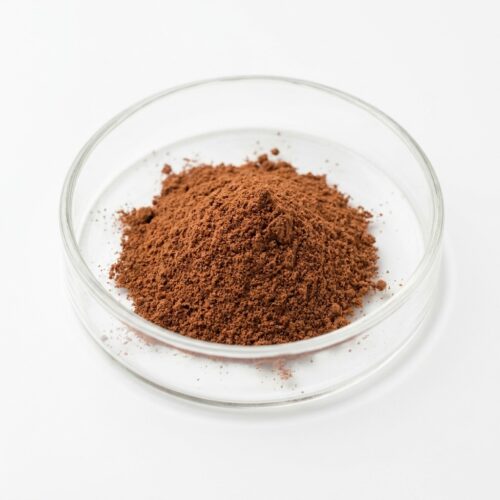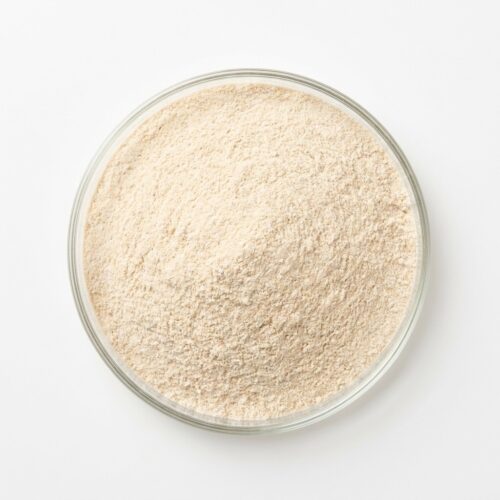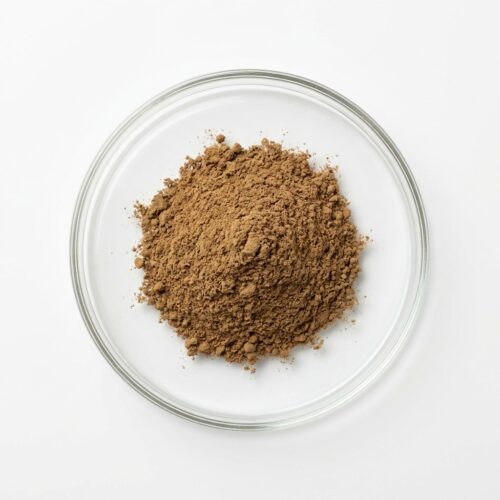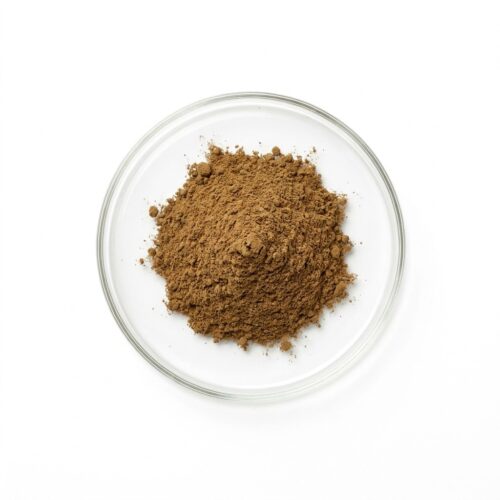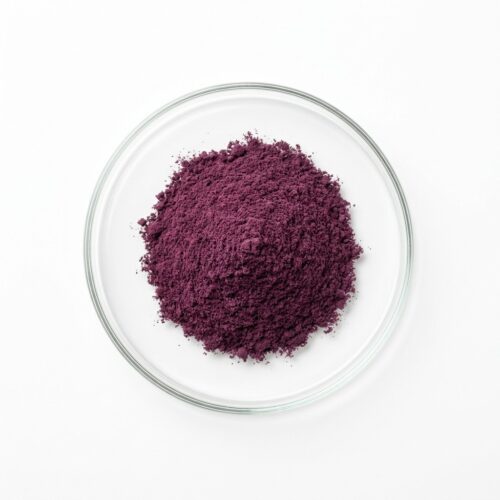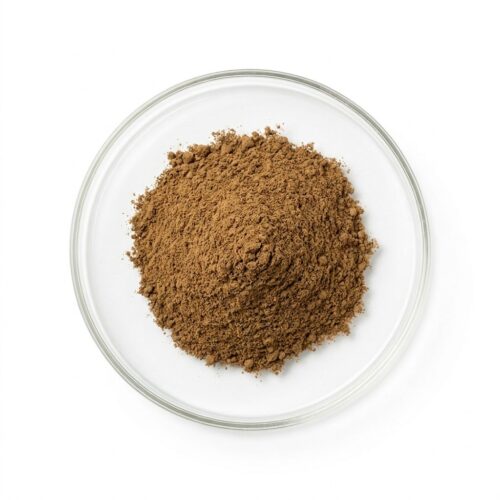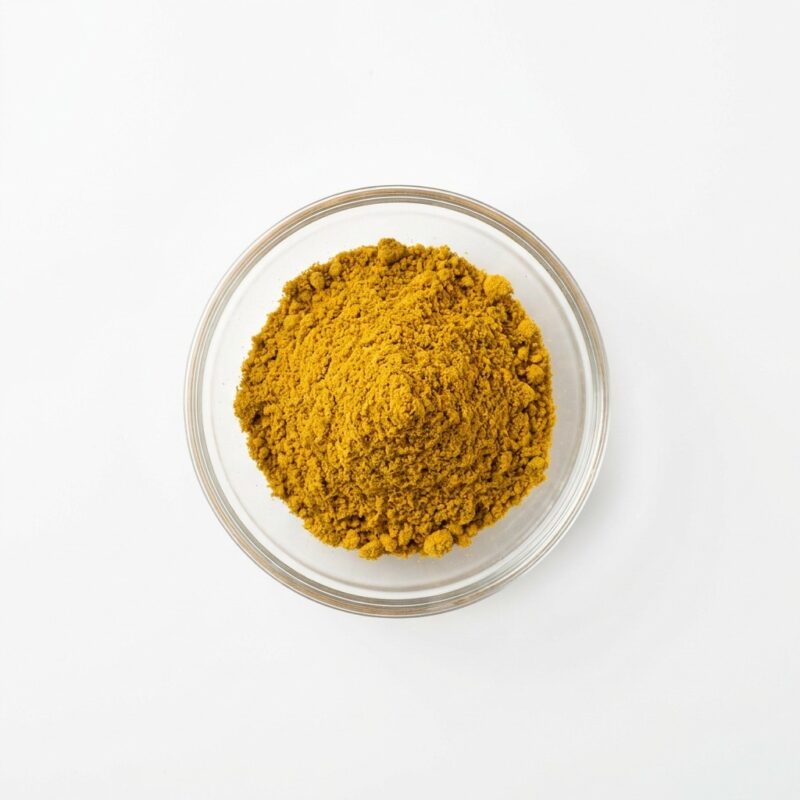
Beta-Carotene (Synthetic/Natural) is the most studied and widely used carotenoid provitamin A, available in both synthetic (all-trans) and natural (mixed carotenes from algae or palm) forms. It is a powerful antioxidant that neutralises free radicals, supports immune function, and is essential for vision, skin health, and mucous membrane integrity.
Applications:
- Vitamin A supplement and food fortification
- Natural food and beverage colouring
- Antioxidant and immune supplement formulations
- Cosmetic and skincare active for photoprotection
Key Features & Benefits:
- Available in synthetic (all-trans) and natural forms
- Provitamin A carotenoid
- Broad-spectrum antioxidant and photoprotective properties
- No animal substance – suitable for halal formulations
- Available in oil suspension, beadlet, and powder forms
Synthetic and natural are not identical
Synthetic beta-carotene is almost entirely the all-trans isomer. Natural sources differ: carotene from the alga Dunaliella salina contains a large share of 9-cis beta-carotene, fermentation with Blakeslea trispora gives mainly all-trans, and palm carotene is a mixture that includes alpha-carotene. Ask for the production route and the isomer profile, and check which forms your market permits.
The form matters as much as the molecule
Pure beta-carotene crystals do not dissolve in water and oxidise quickly. It is therefore supplied as an oil suspension, a beadlet or a cold-water-dispersible powder. Beadlet matrices may contain gelatin, which can be porcine or bovine, or plant-based carriers such as gum arabic or starch. For Halal products, confirm the matrix and its certificate.
Labelling and storage
Vitamin A conversion factors for beta-carotene differ between regulations, so state the beta-carotene content in mg and check the factor your market uses. Store it sealed, cool and away from light. A related ready-made grade is Beta Carotene 10%; Lycopene is another carotenoid often used alongside it.
What the research says
- A 2022 meta-analysis of 31 randomised trials (216,734 participants) found that beta-carotene supplements did not reduce overall mortality (risk ratio 1.02) or cancer, cardiovascular or cerebrovascular deaths. [1]
- The same analysis found that supplementation increased the risk of dying from lung cancer (risk ratio 1.14), while lowering HIV-related mortality (risk ratio 0.55). [1]
These summaries describe published research on the ingredient. They are not claims for any finished product; claims on finished products must meet the rules of the market where they are sold.
References
- Corbi G, et al. Association between beta-carotene supplementation and mortality: a systematic review and meta-analysis of randomized controlled trials. Front Med (Lausanne). 2022;9:872310. doi:10.3389/fmed.2022.872310
What to ask for on the certificate of analysis
- Production route (synthetic, Blakeslea fermentation, Dunaliella or palm)
- Assay of beta-carotene by HPLC, with the all-trans and cis isomer split
- Form and full matrix composition (oil, beadlet or CWS; carrier, antioxidant, gelatin source)
- Halal certificate covering the matrix, where needed
- Loss on drying, heavy metals and microbiology
- Batch number, manufacture and retest dates; storage conditions