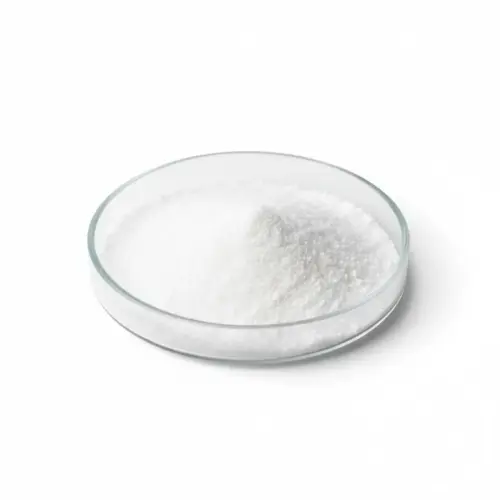
D-Limonene is a naturally occurring cyclic monoterpene with a limonene content of 90.0–100.0% by GLC, cold-pressed primarily from the rind of Citrus sinensis (sweet orange). The most abundant naturally occurring terpene in citrus fruits, D-Limonene is a powerful natural solvent, degreaser, and fragrance ingredient with a clean, fresh, sweet orange aroma. Its outstanding solvent power — capable of dissolving oils, greases, and resins — makes it a preferred natural alternative to petroleum-derived solvents in industrial and household cleaning applications.
Applications:
- Natural Cleaning (natural degreasing agents, citrus-based cleaning concentrates, degreasers)
- Personal Care (fragrance ingredient in shampoos, body washes, and skin care formulations)
- Industrial Solvent (eco-friendly degreasing solvent for industrial and workshop applications)
- Aromatherapy (uplifting citrus aroma in diffuser and personal care products)
Key Features & Benefits:
- 90.0–100.0% limonene (GLC) – high purity natural citrus terpene
- Powerful natural degreaser and solvent – effective alternative to petrochemical solvents
- Clean, fresh, sweet orange aroma for fragrance and personal care applications
- Biodegradable and derived from natural citrus byproduct streams
- Widely used in certified natural and eco-label cleaning and personal care products
Where d-limonene comes from
D-limonene is the main component of orange peel oil. Commercial grades are recovered from citrus oil produced during juice processing and are often distilled to a high limonene content. Food and fragrance grades and technical cleaning grades differ in purity and odour; ask which grade you are buying. For whole citrus oils, see Sweet Orange Oil.
Oxidation and allergen labelling
When limonene is exposed to air it oxidises into hydroperoxides, which are skin sensitisers. Keep drums full, sealed and cool, use an antioxidant if the supplier recommends one, and check the peroxide value. In cosmetics, limonene is a fragrance allergen that must be named on the label above set concentrations under the ASEAN Cosmetic Directive.
Handling as a solvent
D-limonene is a flammable liquid and a strong solvent. It can soften or swell some plastics and rubbers, so test packaging and seals before filling cleaning concentrates. Follow the SDS for storage and transport.
What to ask for on the certificate of analysis
- Limonene content by GC, with the method
- Peroxide value and antioxidant added, if any
- Specific gravity, optical rotation and refractive index
- Grade (food or fragrance, or technical) and source (citrus oil)
- Batch number, manufacture and retest dates; safety data sheet (SDS)