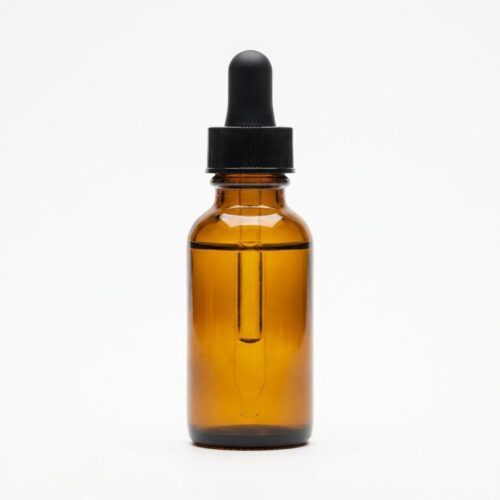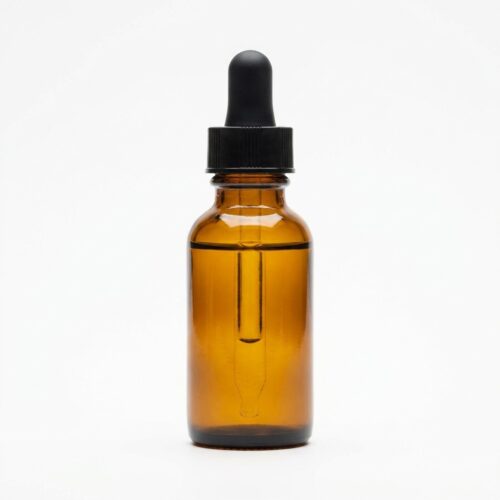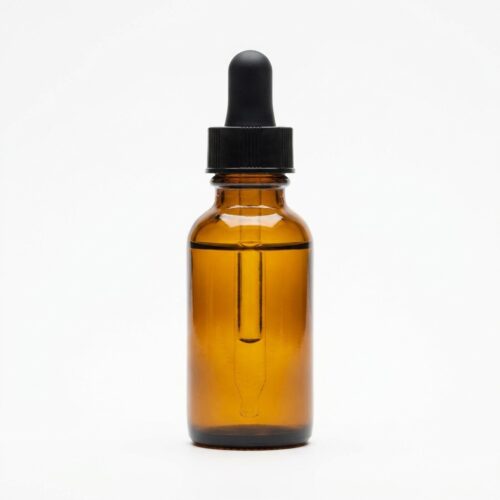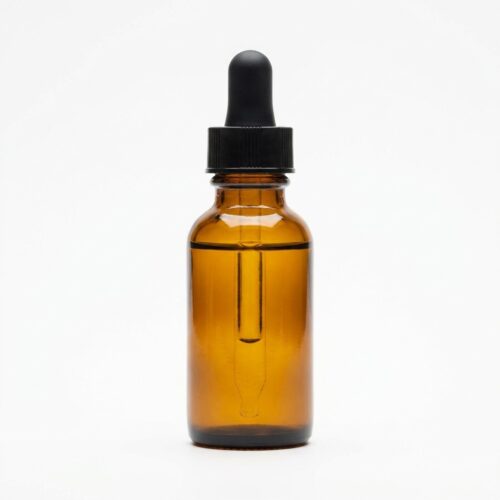
Vanilla Oil is a precious aromatic extract — typically a CO2 extract, absolute, or oleoresin — derived from the cured pods of Vanilla planifolia, presenting as clear to pale yellow. Vanilla is among the most universally beloved and globally recognisable aromatic materials, delivering a warm, sweet, creamy, rich, and comforting fragrance character dominated by vanillin and hundreds of secondary aroma compounds that give natural vanilla its extraordinary complexity. It is one of the most widely used fragrance ingredients across food, personal care, and fine fragrance industries globally.
Applications:
- Fine Fragrance (essential warm sweet base note in oriental, gourmand, and feminine perfumes)
- Personal Care (warm, comforting shampoos, body washes, body butters, and lotions)
- Aromatherapy (comfort, calming, stress relief, and happiness-inducing diffuser blends)
- Food & Beverage Flavouring (natural vanilla flavouring for confectionery, beverages, bakery)
Key Features & Benefits:
- Clear to pale yellow – authentic natural vanilla aromatic extract
- No animal substance – suitable for vegan and Halal-compliant formulations
- Most universally beloved fragrance globally – warm, sweet, comforting character
- Essential base note in oriental and gourmand fine fragrance categories
- Calming, comfort-inducing aromatherapy properties
What “vanilla oil” can mean
Vanilla does not give a usable essential oil by steam distillation, so the name covers several different products. Vanilla absolute, oleoresin and CO2 extract are concentrated extracts of cured Vanilla planifolia or Vanilla tahitensis pods; genuine extracts of this kind are typically dark brown and viscous. Vanilla extract for food is an ethanol-water extract made to flavouring standards. In the fragrance and cosmetic trade, “vanilla oil” is also used for vanillin or a vanilla fragrance dissolved in a carrier oil, which is usually pale and inexpensive. These differ completely in cost, natural status, INCI and labelling, so the exact form, and the natural or synthetic origin of the vanillin, must be confirmed before a natural or vanilla claim is made.
Natural versus synthetic vanillin
Vanillin is the main aroma compound, but vanilla extracts owe their depth to hundreds of minor compounds. Vanillin itself can be natural (from the pod), made from other natural sources such as ferulic acid, or synthetic. The source is established by isotope analysis rather than by standard GC, so a claim of natural vanilla should be backed by supplier documentation.
Discolouration
Vanillin causes browning in finished products, especially in soap, alkaline bases and white formulas exposed to light. Test for colour stability before launch, and consider discolouration-stabilised grades or lower levels in white products. As a warm base it pairs with Sandalwood Oil and Vetiver Oil.
What to ask for on the certificate of analysis
- Form: absolute, oleoresin, CO2 extract, food extract, or vanillin or fragrance in a carrier (with carrier and concentration named)
- Species (Vanilla planifolia or Vanilla tahitensis) for pod-derived extracts
- Vanillin content and its source (natural, natural from other sources, or synthetic)
- Residual solvent, where applicable
- Colour and appearance
- Declarable fragrance allergens and a current IFRA certificate
- Food or cosmetic grade, country of origin and batch number