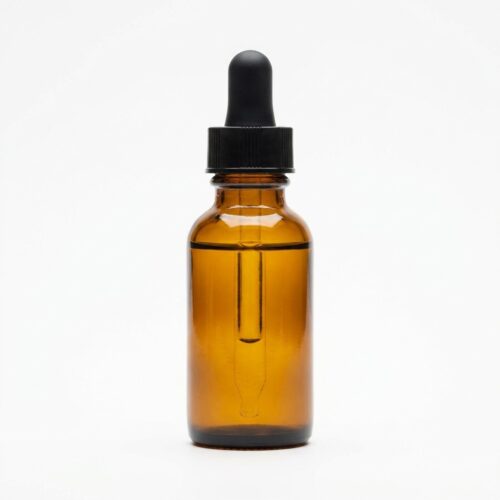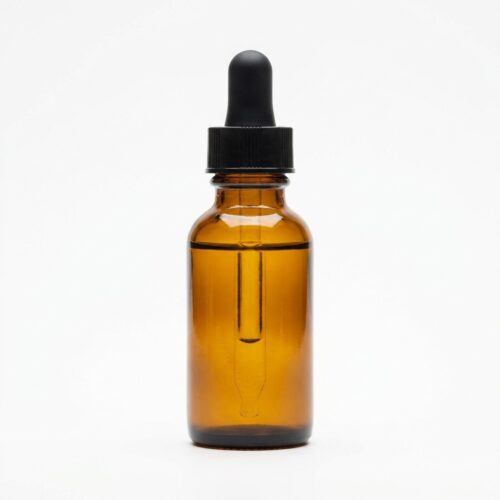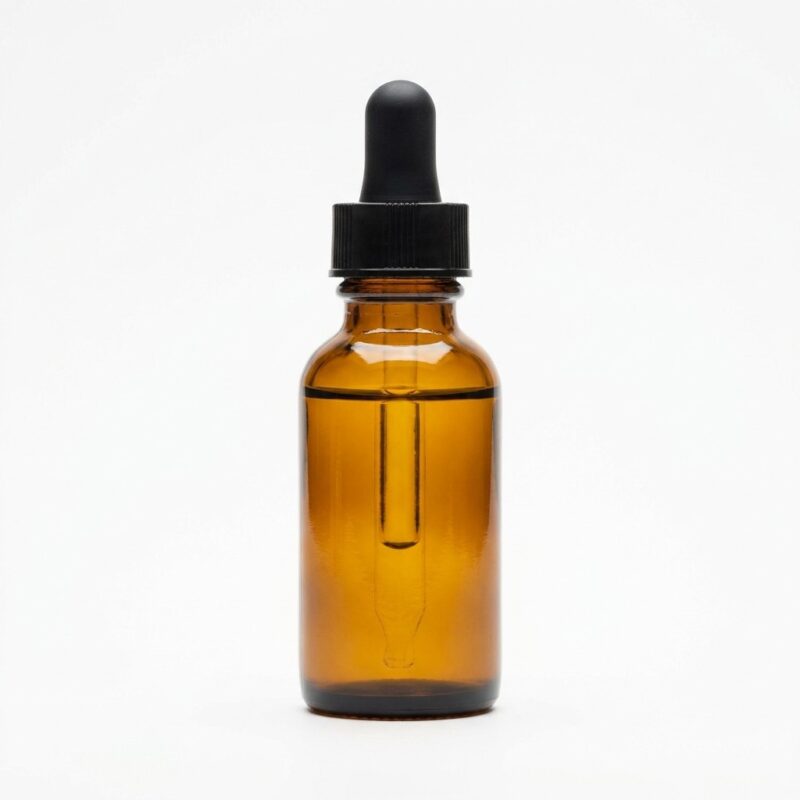
Argan Oil is a premium carrier oil cold-pressed from the kernels of Argania spinosa, a tree native to Morocco and one of the most celebrated natural oils in the global beauty and personal care industry. With a light yellow colour and exceptional fatty acid composition — rich in oleic acid (omega-9), linoleic acid (omega-6), and rare sterols including schottenol and spinasterol — Argan Oil delivers outstanding skin nourishing, anti-ageing, and hair conditioning benefits.
INCI: Argania Spinosa Kernel Oil
Known as ‘liquid gold’, Argan Oil has become one of the most universally recognised and commercially successful natural beauty ingredients in the world, valued for its lightweight, non-greasy texture, rapid skin absorption, and broad compatibility across skincare, haircare, and cosmetic formulations.
Applications:
- Skincare (facial serums, anti-ageing moisturisers, body oils, stretch mark formulations)
- Haircare (hair serums, conditioning treatments, scalp oils, anti-frizz products)
- Cosmetics (lipsticks, foundations, makeup bases, nail care products)
- Massage & Aromatherapy (carrier oil for essential oil blending, massage oils)
Key Features & Benefits:
- Light yellow colour – clean, premium carrier oil
- No animal substance – suitable for vegan and Halal-compliant formulations
- Rich in oleic acid, linoleic acid, and rare sterols for skin nourishment
- Lightweight, non-greasy texture with rapid skin absorption
- Universally compatible across skincare, haircare, and cosmetic applications
Cosmetic or culinary — the kernels are roasted for one and not the other
Argan is pressed two ways. Culinary argan uses roasted kernels and carries a pronounced warm, nutty aroma and a darker colour; cosmetic argan is pressed from unroasted kernels and is pale and comparatively neutral. Both are genuine argan oil, and the culinary grade is often cheaper. Putting it into a skincare formulation produces a product that smells of toasted nuts, which is usually discovered after the batch is made. State unroasted, cosmetic grade on the order, and specify whether you want it deodorised — deodorising removes the residual scent that even unroasted oil carries.
Adulteration, and the test that actually settles it
Argan sells at a substantial premium over commodity vegetable oils, and it is among the most frequently adulterated cosmetic oils in the trade — typically extended with sunflower or soybean oil, which are close enough in fatty-acid profile that a fatty-acid result alone will not reliably expose a modest cut.
What does expose it is the sterol fraction. Argan contains schottenol and spinasterol, an unusual combination not found together in the oils used to dilute it. A sterol profile is therefore the authenticity test worth paying for on this particular oil, and it is rarely offered unless asked for. If a supplier cannot produce one, that is information.
Handling
Argan is moderately high in oleic acid and reasonably stable, but it is not indefinitely so: keep it cool and dark, and ask for pressing date alongside peroxide value. It is light enough to use at high inclusion in facial products without an occlusive feel, which is most of why it commands its price.
What to ask for on the certificate of analysis
- Sterol profile showing schottenol and spinasterol — the authenticity marker for argan.
- Roasted or unroasted, and deodorised or not, stated explicitly.
- Full fatty-acid profile.
- Peroxide value and free fatty acid, with pressing date.
- Country of origin and extraction method.