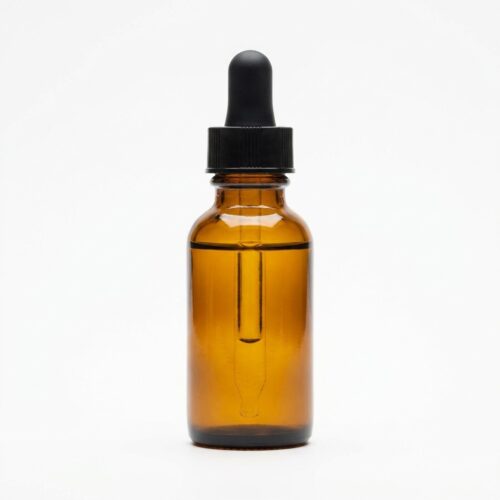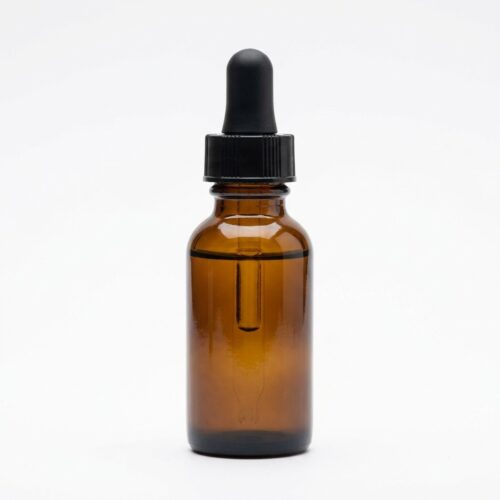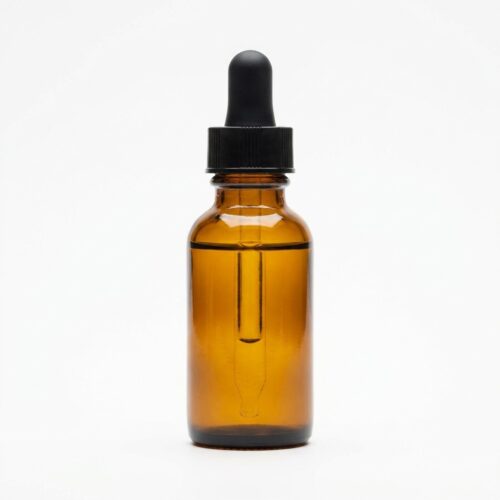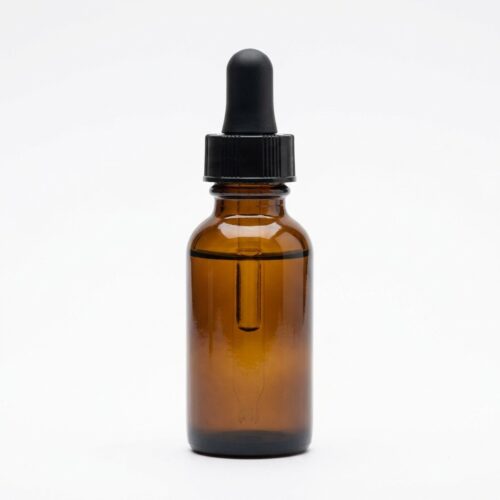
Cedarwood Essential Oil is a therapeutic-grade oil steam-distilled from the wood of Cedrus atlantica or Juniperus virginiana, presenting as a yellowish to brown-yellow viscous liquid. With a warm, woody, balsamic, and slightly sweet cedary aroma, Cedarwood Oil is one of the most widely used essential oils in both aromatherapy and fine fragrance — particularly valued as a base note that grounds and anchors fragrance compositions.
Cedarwood Oil is clinically studied for its sedative and sleep-supportive properties via its primary constituent cedrol, which has demonstrated anxiolytic and sleep-prolonging effects in research studies. It is also widely used in haircare formulations for scalp health and hair loss support.
Applications:
- Aromatherapy (sleep support, stress relief, grounding and calming diffuser blends)
- Fine Fragrance (base note in woody, oriental, and masculine perfume accords)
- Haircare (scalp stimulation, anti-dandruff, hair loss support formulations)
- Skincare (oily skin astringent, acne support, anti-inflammatory formulations)
Key Features & Benefits:
- Yellowish to brown-yellow – authentic therapeutic-grade cedarwood oil
- No animal substance – suitable for vegan and Halal-compliant formulations
- Sedative cedrol content supports sleep and anxiety relief
- Classic woody base note for fine fragrance and personal care
- Scalp-stimulating properties for haircare and hair loss formulations
“Cedarwood” is several different oils
The name covers oils from two plant families with different chemistry. True cedars (Cedrus) give Atlas cedarwood oil (Cedrus atlantica) and Himalayan cedarwood oil (Cedrus deodara), which are led by himachalenes and atlantones and have a sweet, balsamic, slightly fruity woodiness. Virginian cedarwood (Juniperus virginiana) and Texas cedarwood (Juniperus ashei and related species) are junipers, not true cedars; their oils are led by alpha-cedrene, thujopsene and cedrol and smell drier and more pencil-like. Chinese cedarwood, from Cupressus funebris, is a large volume source with a cedrene, thujopsene and cedrol profile. Each carries its own INCI name, so the species must be stated on the specification.
Cedrol
Cedrol is a significant constituent of the juniper-type cedarwood oils and is often isolated from them as a fixative and aroma chemical. It is not a major constituent of Atlas cedarwood, so properties attributed to cedrol belong to the juniper types. Cedrol-rich oils can deposit crystals in cool storage; gentle warming redissolves them.
In the formula
As a woody base note it supports Vetiver Oil, Sandalwood Oil and Cypress Oil in woody accords.
What to ask for on the certificate of analysis
- Species by Latin name and the matching INCI name
- GC profile: himachalenes for Cedrus species; alpha-cedrene, thujopsene and cedrol for juniper or Cupressus types
- Physical constants: relative density, refractive index, optical rotation
- Declarable fragrance allergens and a current IFRA certificate
- Country of origin and batch number