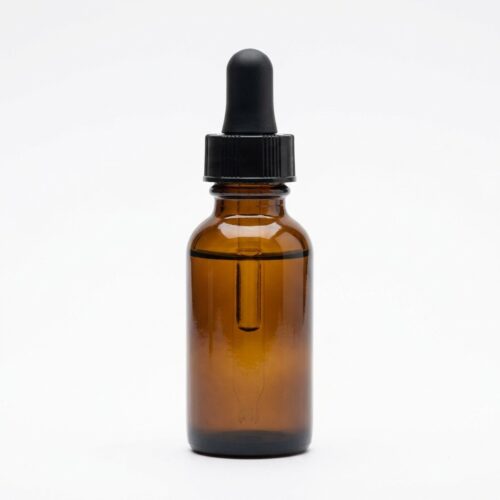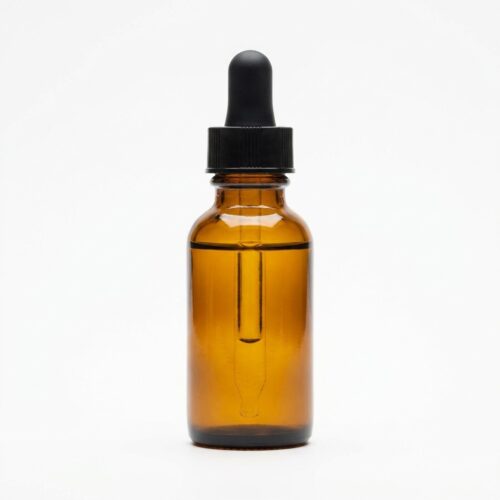
Cypress Essential Oil is a therapeutic-grade oil steam-distilled from the twigs and needles of Cupressus sempervirens (Mediterranean cypress), presenting as a pale yellow liquid. With a clean, fresh, woody-coniferous, and slightly smoky aroma dominated by alpha-pinene and delta-3-carene, Cypress Oil is one of the most important essential oils in circulation-focused aromatherapy — valued for its astringent, toning, and vasoconstrictive properties that make it highly effective for varicose veins, cellulite, excessive perspiration, and oily skin formulations.
Applications:
- Body Care (varicose vein support, cellulite treatment, leg toning formulations)
- Skincare (oily and congested skin astringents, pore-tightening products, deodorants)
- Aromatherapy (grounding, strength-building, and respiratory support diffuser blends)
- Fine Fragrance (fresh, woody-coniferous accord in masculine and chypre perfumes)
Key Features & Benefits:
- Pale yellow – clean therapeutic-grade Cypress oil
- No animal substance – suitable for vegan and Halal-compliant formulations
- Astringent and vasoconstrictive for varicose vein and circulation support
- Pore-tightening and sebum-controlling for oily skin formulations
- Fresh woody-coniferous aroma for personal care and fine fragrance
Composition and quality markers
Cypress oil from Cupressus sempervirens is dominated by alpha-pinene, with delta-3-carene as the other major monoterpene and smaller amounts of limonene, terpinolene and cedrol-type sesquiterpenes that give the woody drydown. Because alpha-pinene is cheap and plentiful in turpentine, cypress is a candidate for extension with turpentine or isolated pinenes; a GC profile showing a normal delta-3-carene and sesquiterpene fraction, not just pinene, is the practical check.
Oxidation
Like other monoterpene-rich conifer oils, cypress oxidises in air, and oxidised terpenes are more likely to sensitise skin. Keep containers full, sealed, cool and dark, and check peroxide value on older stock. Related conifer and woody oils: Pine Oil, Juniper Berry Oil and Cedarwood Oil.
What to ask for on the certificate of analysis
- Species (Cupressus sempervirens) and plant part (twigs and needles)
- GC profile with alpha-pinene, delta-3-carene and limonene quantified
- Peroxide value and date of manufacture
- Physical constants: relative density, refractive index, optical rotation
- Declarable fragrance allergens, where present, and a current IFRA certificate
- Country of origin and batch number