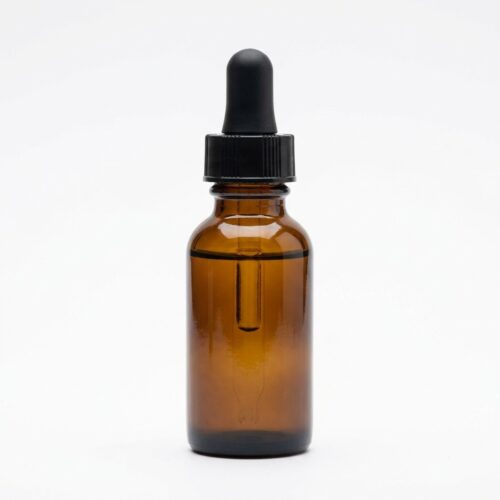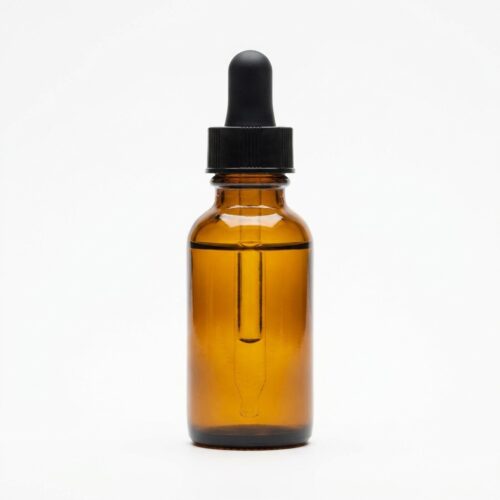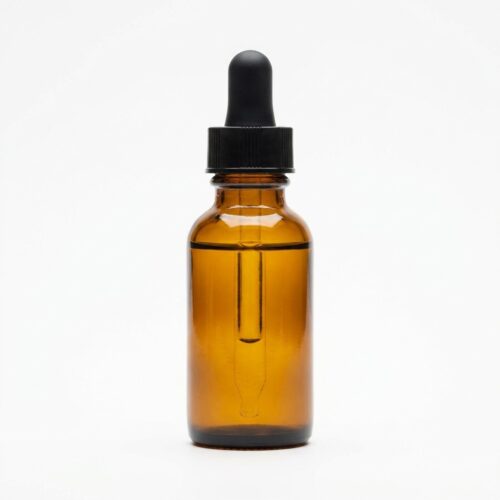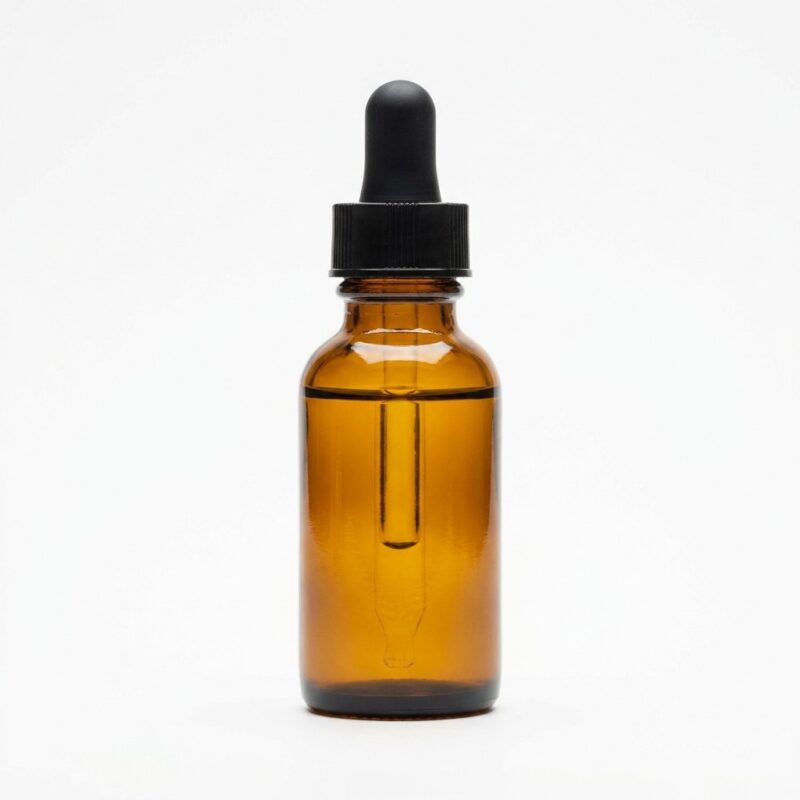
Jojoba Oil is a unique liquid wax ester cold-pressed from the seeds of Simmondsia chinensis, presenting as a water white to very pale golden liquid. Unlike true oils composed of triglycerides, Jojoba is technically a liquid wax — a structural distinction that makes it extraordinarily stable, non-comedogenic, and biochemically similar to human sebum. This sebum-mimicking property makes Jojoba Oil one of the most skin-compatible and universally effective carrier ingredients across all skin types.
INCI: Simmondsia Chinensis (Jojoba) Seed Oil
Jojoba Oil is virtually odourless, has an indefinite shelf life without going rancid, and is one of the very few cosmetic oils that can balance sebum production in oily skin while simultaneously providing deep nourishment for dry skin — making it the most versatile carrier oil in the professional personal care toolkit.
Applications:
- Skincare (facial moisturisers, serums, all skin types – oily, dry, sensitive, acne-prone)
- Haircare (scalp conditioners, hair serums, beard oils, cuticle oils)
- Cosmetics (makeup removers, primer bases, lip care, eye area formulations)
- Massage & Aromatherapy (premier long-lasting carrier for essential oil blending)
Key Features & Benefits:
- Water white – the purest, most refined jojoba expression
- No animal substance – suitable for vegan and Halal-compliant formulations
- Liquid wax structure mimics human sebum – compatible with all skin types
- Non-comedogenic, non-rancid, and virtually odourless
- Most versatile and shelf-stable carrier oil in personal care formulation
Golden or colourless — a processing choice, not a quality ranking
Jojoba is traded unrefined (golden, with a faint nutty note) and refined to water white and effectively odourless. Buyers frequently assume the colourless grade is the better material; it is simply the more processed one. Refining strips colour and odour and takes some of the minor constituents with it, which matters if the marketing story rests on them and does not matter at all if the oil is a neutral base for an essential-oil blend. Decide which you are buying and say so on the order — the two are priced differently and behave identically in most formulations.
Why it does not go rancid, and what it does instead
Jojoba is a liquid wax ester rather than a triglyceride, and that single structural fact drives its behaviour. It resists oxidation far better than any conventional carrier oil, which is why it is often blended into unstable oils to extend their shelf life rather than used alone.
What it does do is solidify. Jojoba turns cloudy and then semi-solid at cool temperatures, so drums arriving in a cold shipment or stored in an air-conditioned warehouse can appear to have gone wrong when nothing has happened at all. Gentle warming restores it without damage, and this should be written into the goods-inwards procedure so a good lot is not rejected on appearance.
Adulteration and what detects it
Because jojoba carries a premium over ordinary vegetable oils, extension with cheap triglyceride oil is the common fraud. It is straightforward to detect once you ask for the right numbers: a wax ester has a saponification value markedly lower than any triglyceride oil, so a figure drifting toward the normal vegetable-oil range indicates the material has been cut.
What to ask for on the certificate of analysis
- Saponification value and iodine value — together these are the practical adulteration screen for jojoba.
- Refining status (unrefined/golden or refined/colourless) stated explicitly.
- Peroxide value and free fatty acid.
- Colour, and melting/cloud point if cold-chain storage is a concern.
- Country of origin and extraction method.