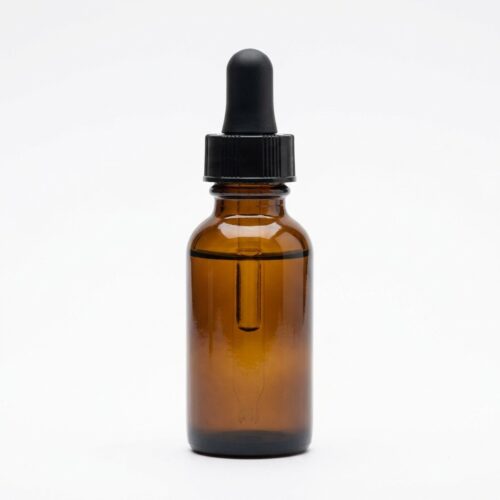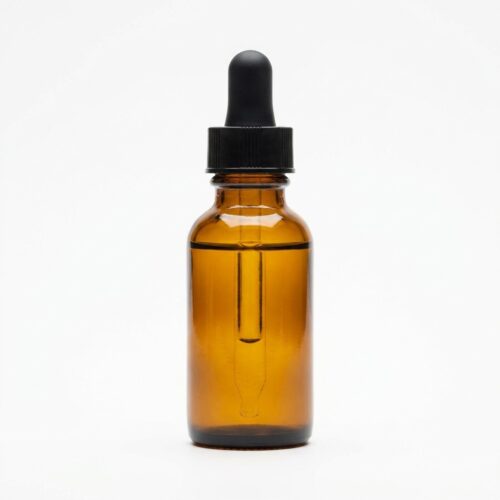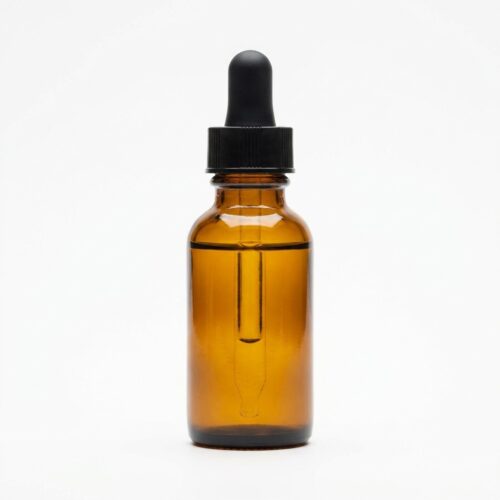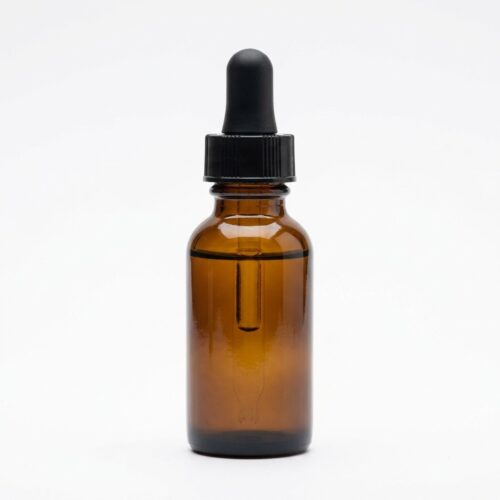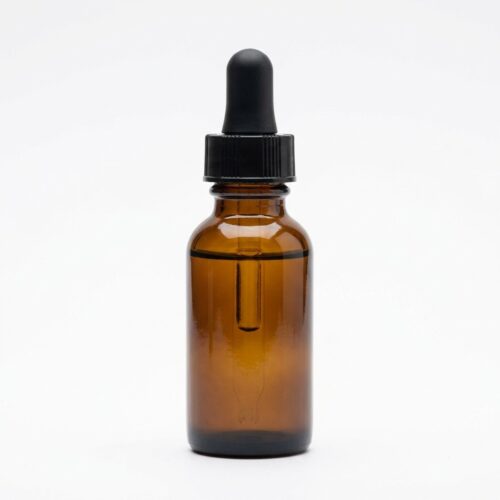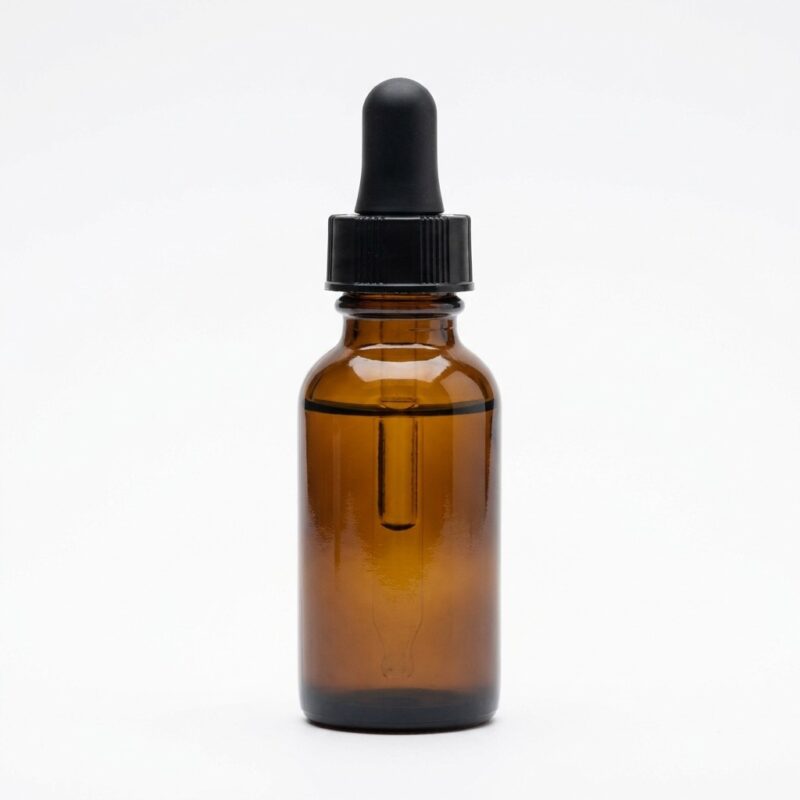
Clary Sage Essential Oil is a therapeutic-grade oil steam-distilled from the flowering tops and leaves of Salvia sclarea, presenting as a pale yellow to pale olive colour. Rich in linalyl acetate and linalool, Clary Sage Oil delivers a warm, sweet, herbal-floral, slightly nutty fragrance and is one of the most important women’s health essential oils — valued for its phytoestrogenic linalyl acetate content and well-documented ability to relieve menstrual cramps, regulate hormonal cycles, and reduce menopausal symptoms.
Applications:
- Women’s Health Aromatherapy (menstrual cramp relief, hormonal balance, menopausal support blends)
- Skincare (balancing formulations for oily and combination skin, sebum-regulating products)
- Fine Fragrance (warm herbal-floral heart note in feminine and chypre perfume compositions)
- Stress Relief (anxiety reduction and mood-balancing diffuser blends)
Key Features & Benefits:
- Pale yellow to pale olive – authentic Clary Sage essential oil
- No animal substance – suitable for vegan and Halal-compliant formulations
- Premier women’s health essential oil for hormonal balance and menstrual support
- Balancing and sebum-regulating for oily skin formulations
- Warm, herbal-floral character for fine fragrance applications
Composition and quality markers
Clary sage oil (Salvia sclarea) is led by linalyl acetate and linalool, the same pair that dominates Lavender Oil and Bergamot Oil, with germacrene D and small amounts of sclareol and other diterpenes. Sclareol is concentrated mainly in clary sage concrete and absolute rather than in the distilled oil; it is the starting material for ambergris-type aroma chemicals, which is why clary sage is an important crop for the fragrance industry. The ratio of linalyl acetate to linalool is the main quality marker.
Clary sage is not common sage
Clary sage and common sage (Salvia officinalis) are different species with very different oils. Common sage oil is rich in thujone, which is restricted in food and cosmetics, whereas clary sage oil contains essentially none. Specify Salvia sclarea explicitly; the Sage (Salvia Officinalis) listing is a different material.
Adulteration
Because synthetic linalyl acetate and linalool are cheap, clary sage is a candidate for extension with them or with lavandin oil. A GC-MS profile read against the expected ranges for the stated origin, and chiral analysis where authenticity matters, are the practical checks.
What to ask for on the certificate of analysis
- Species (Salvia sclarea) and plant part (flowering tops)
- GC profile with linalyl acetate, linalool, germacrene D and sclareol quantified
- Physical constants: relative density, refractive index, optical rotation, ester value
- Authenticity statement or chiral analysis for linalool and linalyl acetate
- Declarable fragrance allergens and a current IFRA certificate
- Country of origin and batch number