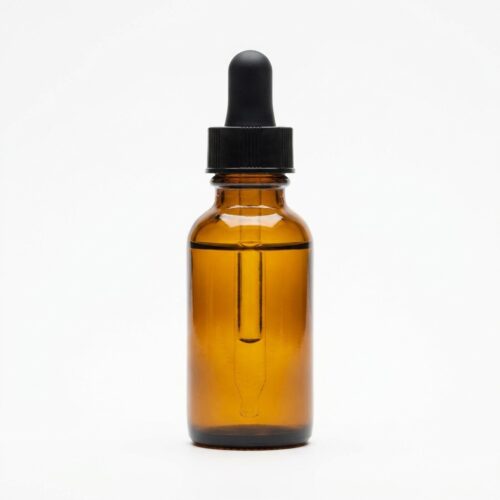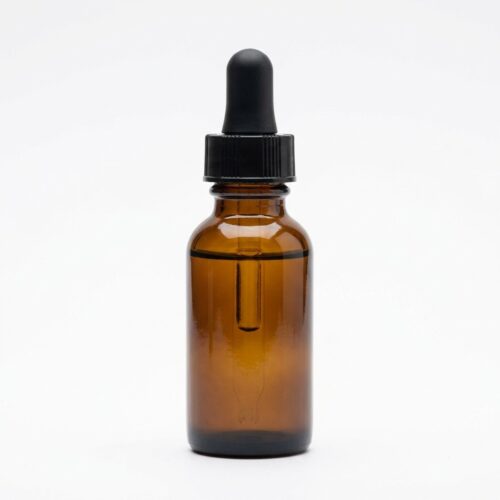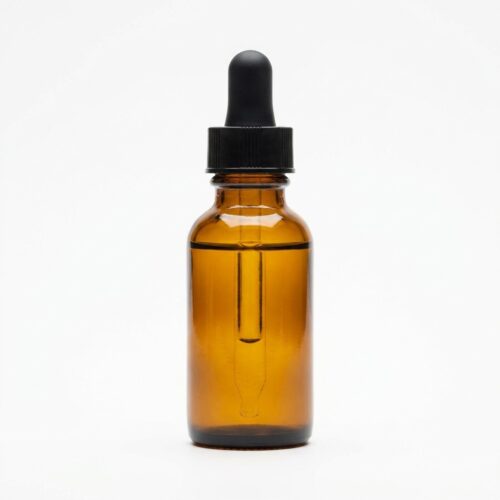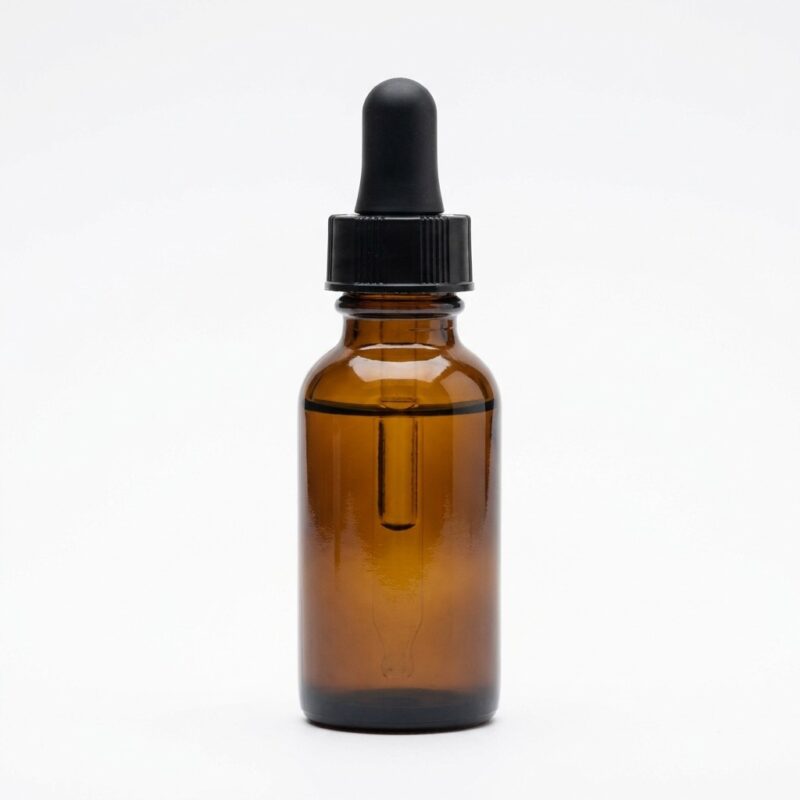
Cinnamon Leaf Essential Oil is a therapeutic-grade oil steam-distilled from the leaves of Cinnamomum zeylanicum (Ceylon cinnamon), presenting as a brownish yellow colour. Unlike Cinnamon Bark Oil, which is dominated by cinnamaldehyde, Cinnamon Leaf Oil is dominated by eugenol (up to 80%) — giving it a warmer, clove-like, spicy character alongside potent antimicrobial and analgesic properties, at a more accessible price point than Cinnamon Bark Oil.
Applications:
- Aromatherapy (warming, immune-supporting, and analgesic diffuser blends)
- Oral Care (eugenol-rich antiseptic formulations for oral health products)
- Natural Antimicrobial (surface care and cleaning product formulations)
- Fine Fragrance (spicy warm notes in oriental fragrance compositions)
Key Features & Benefits:
- Brownish yellow – authentic Ceylon cinnamon leaf oil
- No animal substance – suitable for vegan and Halal-compliant formulations
- High eugenol content – potent antimicrobial and analgesic properties
- More affordable alternative to cinnamon bark oil for high-volume use
- Warm clove-spice fragrance character for personal care and fragrance applications
Eugenol, not cinnamaldehyde
Cinnamon leaf oil comes from the same tree as Cinnamon Bark Oil but is chemically much closer to clove: it is led by eugenol, with only a small amount of cinnamaldehyde. It is the least expensive of the cinnamon oils, which is why it turns up as an extender in bark oil and why it should never be accepted as a bark-oil substitute where the cinnamaldehyde character is the point. For other eugenol-led oils, see Clove Oil and Clove Bud Oil.
Eugenol as quality marker and allergen
Eugenol content is the main quality marker. Eugenol is also a declarable fragrance allergen and is restricted by IFRA, so skin-contact use sits at levels set by the finished-product safety assessment. Eugenol darkens on exposure to air, light and iron, so store the oil sealed and cool in dark, non-reactive containers; colour drift in the finished product is the typical symptom of poor storage.
What to ask for on the certificate of analysis
- Species (Cinnamomum zeylanicum, syn. C. verum), plant part (leaf) and INCI name
- GC profile with eugenol, cinnamaldehyde and benzyl benzoate quantified
- Physical constants: relative density, refractive index
- Declarable fragrance allergens and a current IFRA certificate
- Colour and date of manufacture
- Country of origin, batch number, and food or cosmetic grade