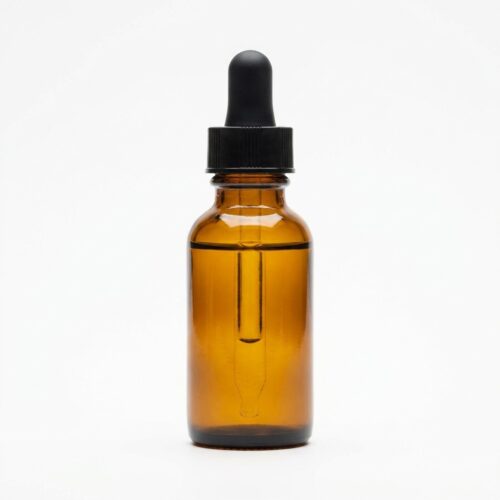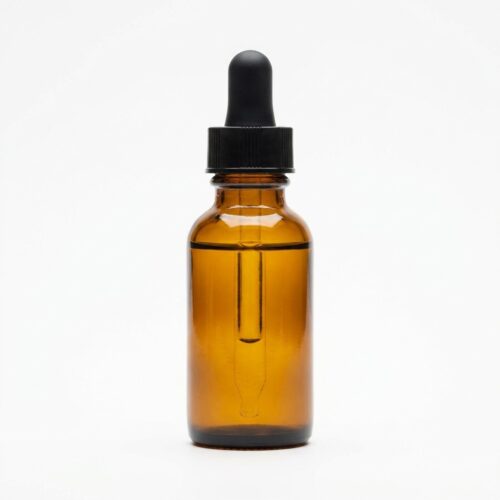
Cinnamon Bark Essential Oil is a powerful therapeutic-grade oil steam-distilled from the bark of Cinnamomum zeylanicum (Ceylon cinnamon), presenting as a clear, mobile, light yellow liquid. Rich in cinnamaldehyde (up to 75%), Cinnamon Bark Oil delivers a warm, intensely spicy, sweet-woody fragrance and is one of the most potent antimicrobial and antifungal essential oils known — with demonstrated activity against a broad spectrum of pathogens. Its warming, stimulating, and circulatory properties make it highly valued in therapeutic and aromatic formulations.
Applications:
- Aromatherapy (warming, stimulating, and immune-boosting diffuser blends)
- Natural Cleaning & Antimicrobial (surface disinfectants, antimicrobial home care products)
- Fine Fragrance (spicy, warm oriental fragrance accords)
- Skincare (low concentration anti-fungal and warming formulations — dilution required)
Key Features & Benefits:
- Clear light yellow – authentic Ceylon cinnamon bark oil
- No animal substance – suitable for vegan and Halal-compliant formulations
- Highly potent antimicrobial and antifungal from cinnamaldehyde content
- Warming and circulatory-stimulating therapeutic properties
- Intensely warm spicy fragrance — must be used at low dilution rates
Three cinnamon oils, three chemistries
“Cinnamon oil” can mean three different materials. Ceylon cinnamon bark oil (this page) is led by cinnamaldehyde with small amounts of eugenol, linalool and cinnamyl acetate, and is the most expensive. Cinnamon Leaf Oil, from the leaves of the same tree, is led by eugenol and smells more clove-like. Cinnamon Cassia Oil, from Chinese cinnamon, is also cinnamaldehyde-led but carries notably more coumarin and has a harsher profile. They carry different INCI names (Cinnamomum Zeylanicum Bark Oil, Cinnamomum Zeylanicum Leaf Oil, Cinnamomum Cassia oil) and are not interchangeable.
How the GC exposes substitution
Because bark oil is costly, it is extended with leaf oil, cassia or synthetic cinnamaldehyde. Elevated eugenol points to leaf oil; significant coumarin or o-methoxycinnamaldehyde points to cassia. A GC profile read with those markers in mind is the practical authenticity check.
Sensitisation and IFRA
Cinnamaldehyde (INCI: cinnamal) is a potent skin sensitiser. IFRA restricts it by product category, it is a declarable fragrance allergen, and it is also a mucous-membrane irritant, so skin-contact use is at low levels governed by the finished-product safety assessment. Food and flavour use requires a food-grade oil documented to flavouring standards.
What to ask for on the certificate of analysis
- Species (Cinnamomum zeylanicum, syn. C. verum), plant part (bark) and INCI name
- GC profile with cinnamaldehyde, eugenol, linalool and coumarin quantified
- Physical constants: relative density, refractive index, optical rotation
- Declarable fragrance allergens (cinnamal, eugenol, linalool, coumarin) and a current IFRA certificate
- Country of origin and batch number
- Food or cosmetic grade, matching the end use