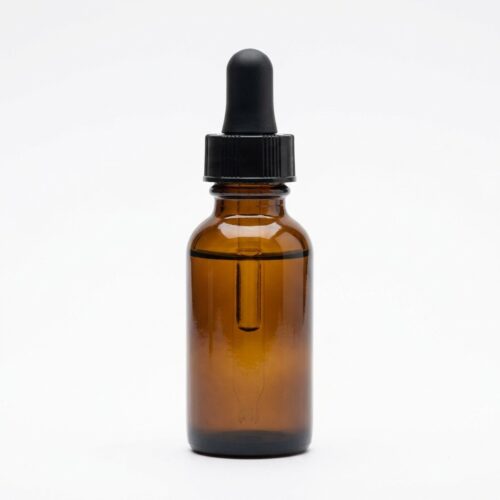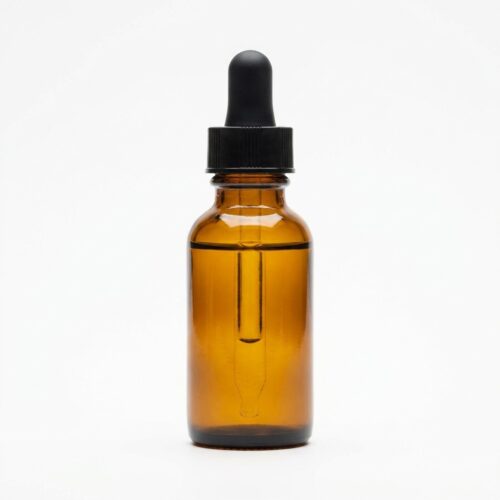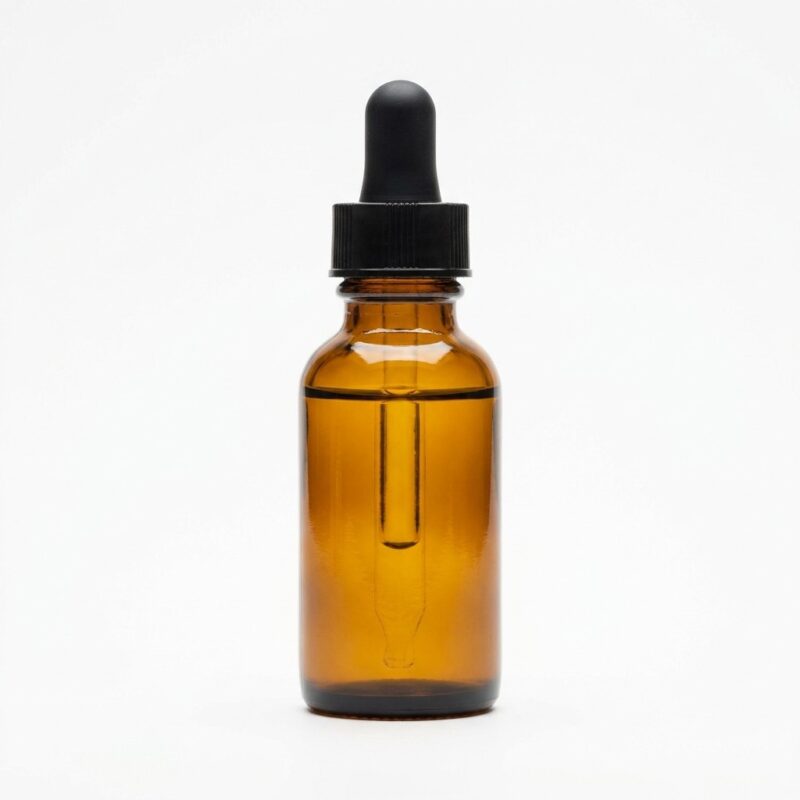
Tea Seed Oil (Camellia Oil) is a premium carrier oil cold-pressed from the seeds of Camellia sinensis or Camellia oleifera, presenting as a pale yellow to golden yellow oily liquid. Widely used in Japanese and Chinese traditional beauty rituals for centuries — particularly for hair care — Tea Seed Oil is extraordinarily rich in oleic acid (up to 85%), giving it a fatty acid profile strikingly similar to olive oil but with a lighter texture, superior skin feel, and greater oxidative stability. It also contains unique catechin polyphenols derived from the camellia plant, adding antioxidant skin-protective properties.
In Japan, Camellia Oil (Tsubaki Oil) is the traditional hair oil of geisha and samurai, revered for its ability to impart exceptional shine, smoothness, and strength to hair without weighing it down.
Applications:
- Haircare (premium hair serums, shine treatments, traditional Japanese-style hair oils, anti-frizz products)
- Skincare (lightweight facial oils, skin barrier support, anti-ageing moisturisers)
- Cosmetics (lipsticks, nail care, makeup formulation bases)
- Massage & Aromatherapy (light, clean carrier for professional massage and essential oil blending)
Key Features & Benefits:
- Pale yellow to golden yellow – premium Japanese heritage carrier oil
- No animal substance – suitable for vegan and Halal-compliant formulations
- Exceptionally high oleic acid – superior skin and hair nourishment
- Contains camellia catechin polyphenols for antioxidant skin protection
- Centuries of Japanese traditional beauty heritage (Tsubaki Oil)
Three camellias, three oils
“Camellia oil” and “tea seed oil” are used for oils from different species. Camellia oleifera, the oil-tea camellia, is the main source of the tea seed oil produced in China. Camellia japonica gives Japanese tsubaki oil, the traditional hair oil. Camellia sinensis, the tea plant itself, also yields a seed oil. They share a high oleic acid content, but each has its own INCI name — Camellia Oleifera Seed Oil, Camellia Japonica Seed Oil and Camellia Sinensis Seed Oil — and your label must match the species actually supplied. Confirm it on the specification.
Refined or virgin
Crude tea seed oil can carry seed components such as saponins, along with a stronger colour and odour; refining removes these and gives a paler, more neutral oil for cosmetics. Ask which you are getting, since it changes odour, colour and behaviour in emulsions.
Formulation notes
With its high oleic acid content, camellia oil is a light, fast-absorbing emollient that is more oxidatively stable than oils rich in linoleic acid. Stability still depends on storage: keep it sealed, cool and dark, and consider an antioxidant in the finished product. It sits alongside Jojoba Oil and Argan Oil as a light hair and skin oil.
What to ask for on the certificate of analysis
- Species and INCI name (C. oleifera, C. japonica or C. sinensis).
- Fatty acid profile (oleic, linoleic and palmitic acids).
- Acid value and peroxide value.
- Refined or virgin.
- Country of origin.