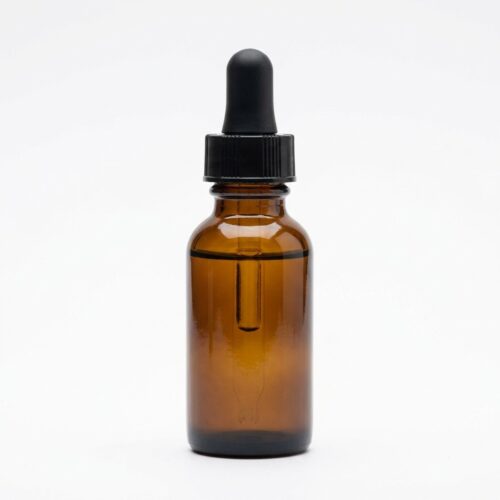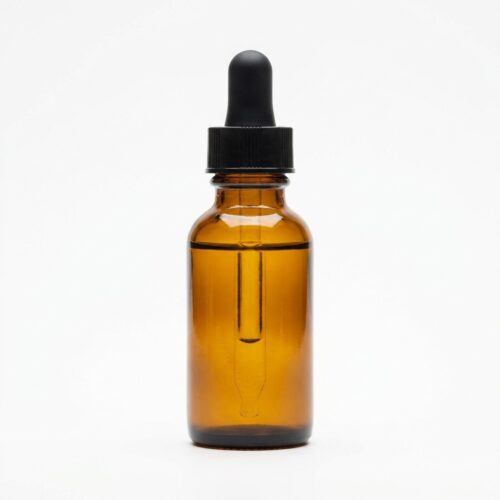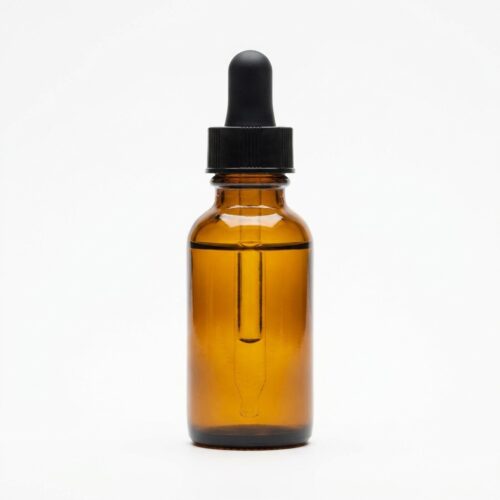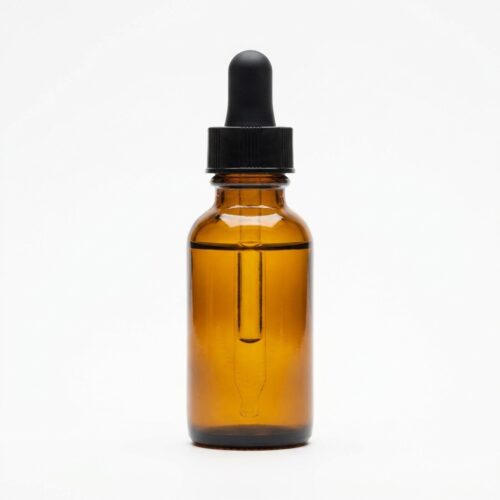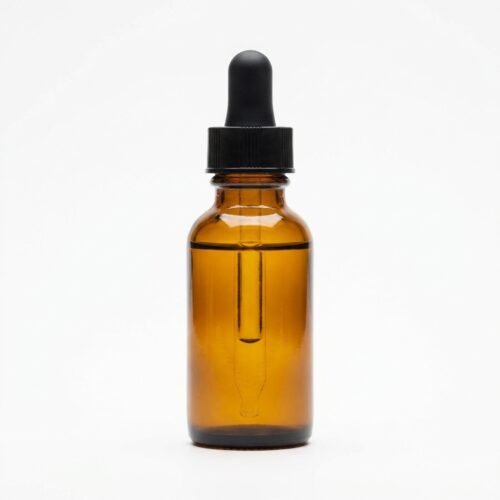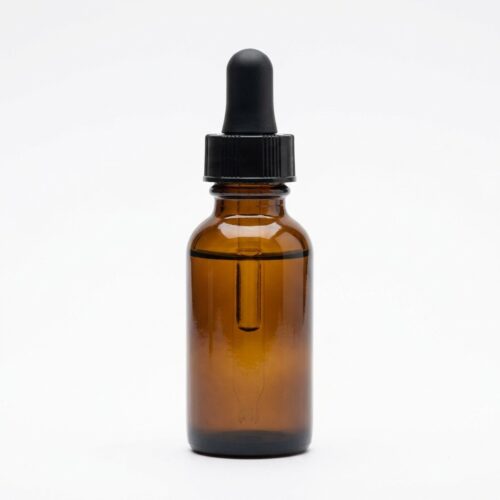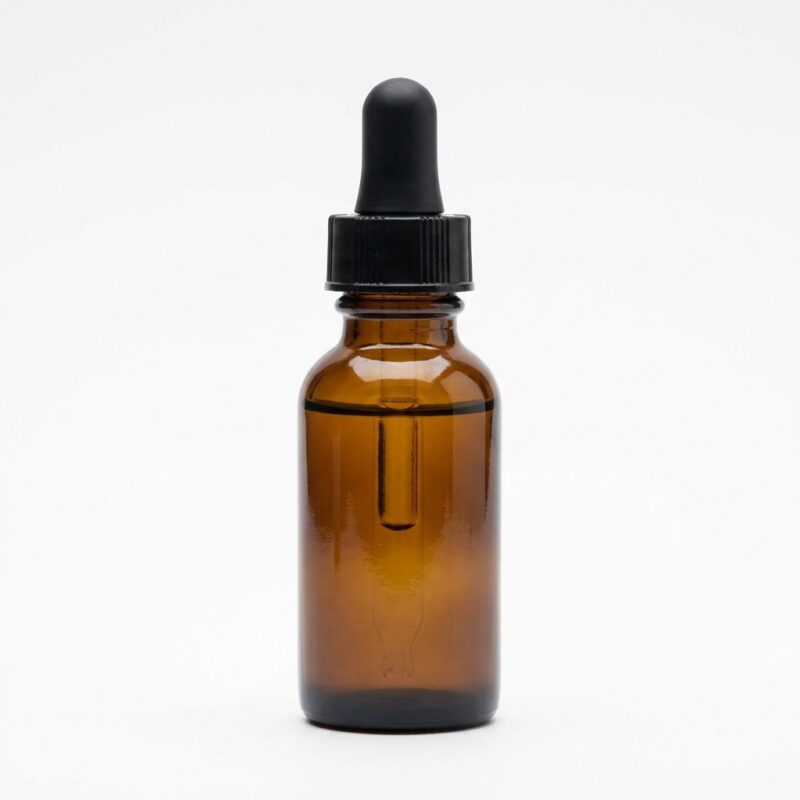
Clove Essential Oil is a therapeutic-grade oil steam-distilled from the whole cloves (buds, stems, and leaves combined) of Syzygium aromaticum, presenting as colourless to pale yellow. This form of clove oil contains high eugenol (70–90%), delivering the same potent antimicrobial, antifungal, analgesic, and warming properties associated with the clove plant, in a versatile grade suitable for a broad range of aromatherapy, personal care, and industrial applications. Its bold, warm, spicy aroma is highly valued in fragrance and flavour formulations globally.
Applications:
- Aromatherapy (warming, immune-supporting, stimulating diffuser blends)
- Natural Antimicrobial (cleaning products, surface disinfectants, antimicrobial formulations)
- Fragrance & Flavouring (spicy oriental fragrance accords, food and beverage spice flavouring)
- Personal Care (warming muscle balms, analgesic formulations, oral care products)
Key Features & Benefits:
- Colourless to pale yellow – authentic whole clove essential oil
- No animal substance – suitable for vegan and Halal-compliant formulations
- High eugenol – potent antimicrobial, analgesic, and antifungal activity
- Versatile grade for aromatherapy, fragrance, flavour, and cleaning applications
- Classic warm, rich, spicy aroma with broad consumer recognition
Bud, leaf or stem — three oils at three prices
Clove is distilled separately from the buds, the leaves and the stems, and the three are distinct commercial products. Bud oil is the premium grade with the rounded, sweet-spicy character wanted in fine fragrance and flavour work. Leaf oil is markedly cheaper and reads harsher and more phenolic. Stem oil sits between them. A combined whole-clove distillation is its own grade again, and is a legitimate and economical choice where the application does not need the finesse of bud oil.
Eugenol content alone will not tell you which you have, because all three are eugenol-rich. Eugenyl acetate is the marker — it is present at meaningful levels in bud oil and much lower in leaf oil, so it is the figure to ask for when bud grade is what you are paying for.
Handling: eugenol is chemically aggressive
This is the practical point most often learned the hard way. Eugenol-rich oils attack a range of plastics and rubber — gaskets, tubing, pipette bulbs and some container liners degrade or soften on contact — so store and process clove oil in glass, stainless steel or properly lined equipment, and check seal compatibility before running it through a filling line. Contact with iron darkens it, and the oil darkens with age regardless as eugenol oxidises; a deepening colour is expected rather than a defect, but it tracks with loss of aroma quality.
Regulatory: eugenol is a recognised skin sensitiser and a declarable fragrance allergen in several markets, with restrictions on leave-on products. Check the applicable limit and labelling requirement for your target market before setting a level.
What to ask for on the certificate of analysis
- Plant part (bud, leaf, stem or whole clove) stated explicitly.
- GC-MS with eugenol and eugenyl acetate reported separately — the pair that confirms the grade.
- Colour, refractive index, specific gravity and optical rotation.
- Peroxide value and distillation date.
- Country of origin, and confirmation the oil is unrectified and unextended.