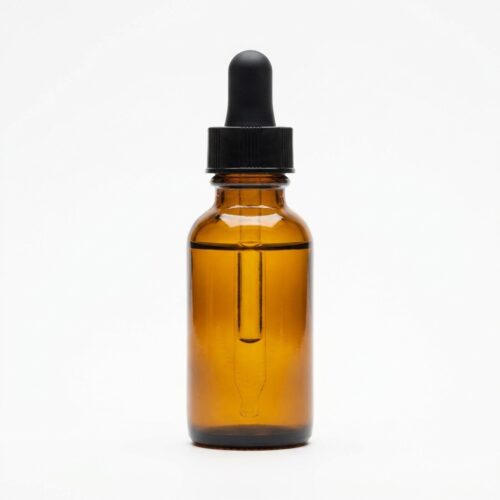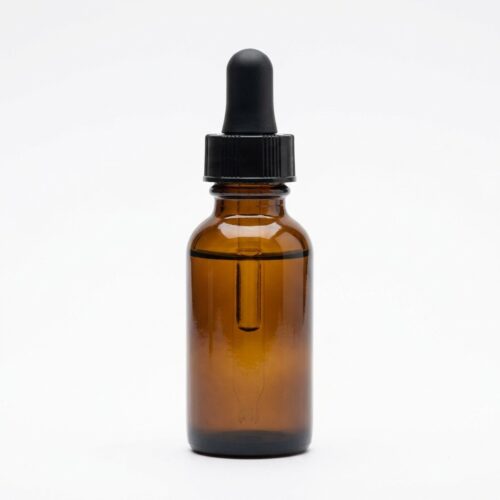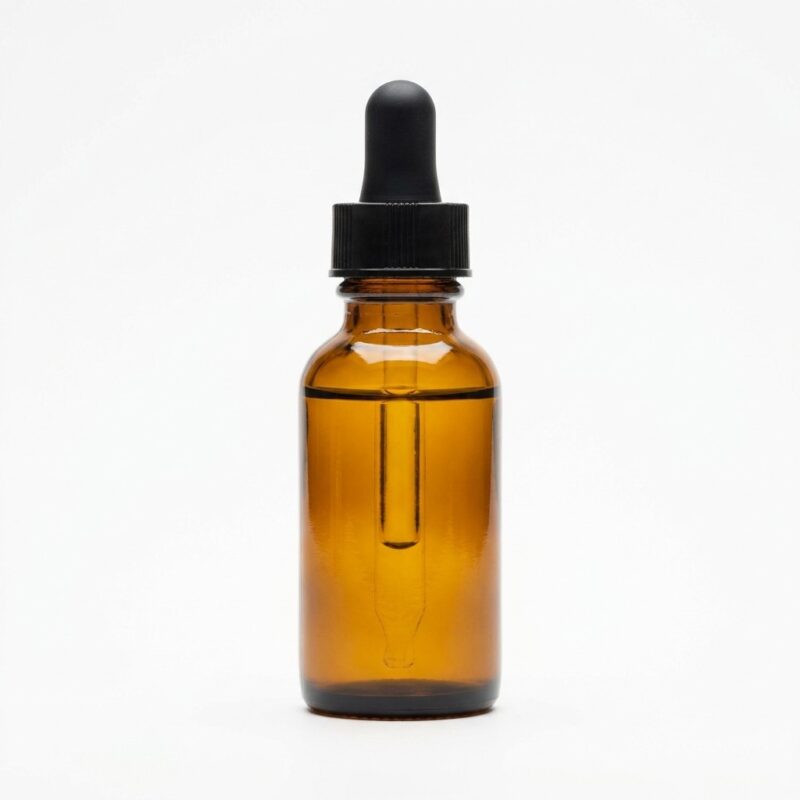
Marula Oil is a premium carrier oil cold-pressed from the kernels of Sclerocarya birrea (marula tree), native to the sub-Saharan savannah regions of Africa, presenting as a golden-coloured oily liquid. Long used by indigenous African communities for skin and hair care, Marula Oil has rapidly become one of the most coveted luxury beauty oils globally — recognised for its exceptionally high oleic acid content (up to 78%), remarkable oxidative stability, and rich concentration of antioxidants including tocopherols and procyanidins.
INCI: Sclerocarya Birrea Seed Oil
Marula Oil’s extraordinary shelf stability, rapid skin absorption, and luxurious skin feel position it as a premium anti-ageing and deep nourishing carrier in high-end skincare, haircare, and cosmetic formulations.
Applications:
- Skincare (luxury anti-ageing serums, facial oils, intensive moisturisers, stretch mark oils)
- Haircare (premium hair serums, deep conditioning treatments, cuticle smoothing products)
- Cosmetics (premium lipsticks, nail care, luxury face oil bases)
- Massage (luxury massage oil base for premium spa applications)
Key Features & Benefits:
- Golden colour – premium luxury carrier oil from African marula
- No animal substance – suitable for vegan and Halal-compliant formulations
- Exceptionally high oleic acid and antioxidant content
- Superior oxidative stability – long shelf life without rancidity
- Rapid skin absorption with a luxurious, non-greasy skin feel
Supply is wild-harvested and seasonal — plan procurement accordingly
Marula is not a plantation crop. The fruit is gathered from wild trees across southern Africa, largely by rural harvesting cooperatives, and pressed after a short seasonal window. That shapes the commercial reality more than the specification does: availability and price move with the harvest, lead times are longer than for commodity oils, and a supplier who can quote unlimited volume year-round at a flat price is worth a second question. If the brand story rests on community sourcing or fair-trade provenance, that claim needs certificate evidence rather than a supplier’s assurance.
Stability is the functional argument for paying for it
Marula’s very high oleic content and natural antioxidant fraction make it one of the most oxidatively stable plant oils available — the opposite end of the scale from a polyunsaturate-rich oil such as flaxseed oil. In practice that buys a long shelf life without heavy antioxidant loading, and it makes marula useful as the stable component in a blend carrying less stable actives. It absorbs quickly for a high-oleic oil, which is the other half of its premium positioning.
Adulteration
Like every luxury oil, marula attracts dilution — typically with cheaper high-oleic oils whose fatty-acid profiles sit close enough that a fatty-acid result alone is weak evidence. The sterol and tocopherol profile is the better discriminator, and origin documentation should accompany it.
What to ask for on the certificate of analysis
- Full fatty-acid profile, plus sterol and tocopherol profile as the authenticity evidence.
- Peroxide value and free fatty acid, with pressing date and harvest season.
- Extraction method (cold-pressed or solvent) and residual solvent if applicable.
- Country of origin, and certification documents for any fair-trade, organic or community-sourcing claim carried through to your label.
- Colour and odour description, since wild-harvested material varies more between lots than plantation crops.