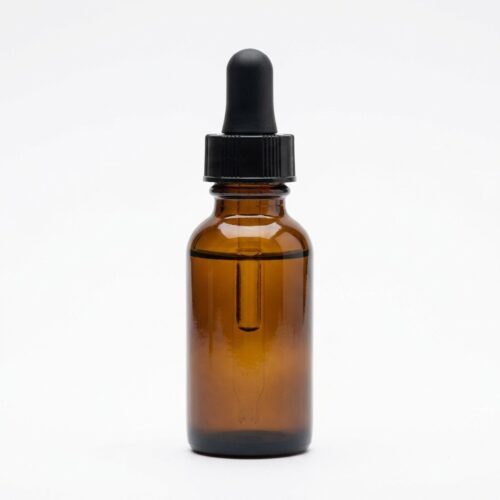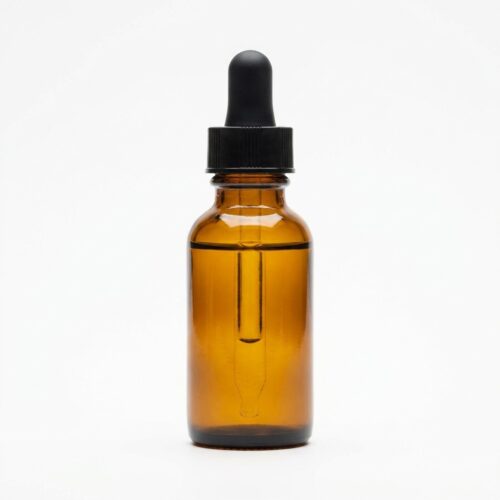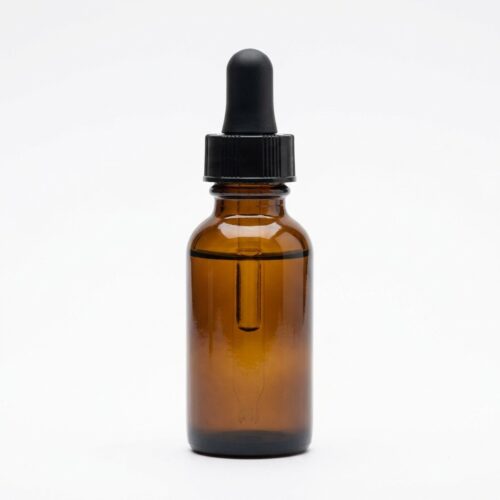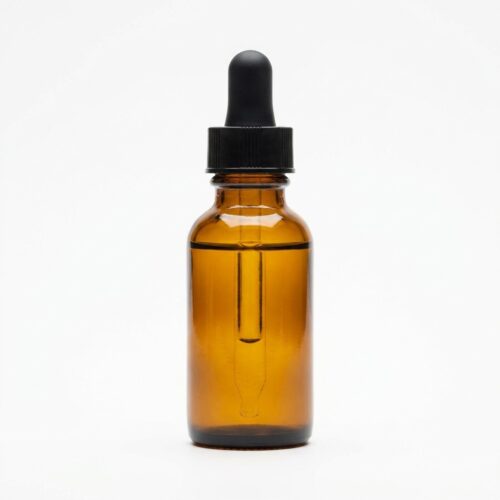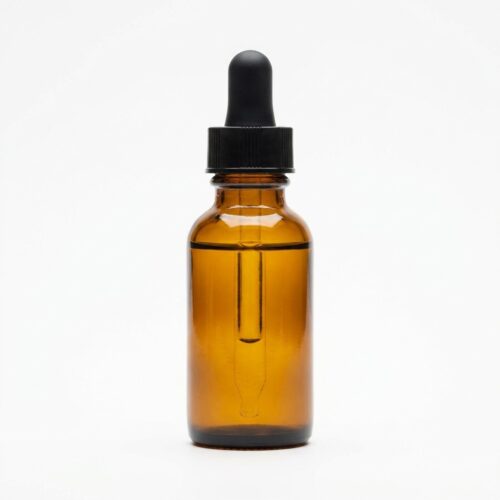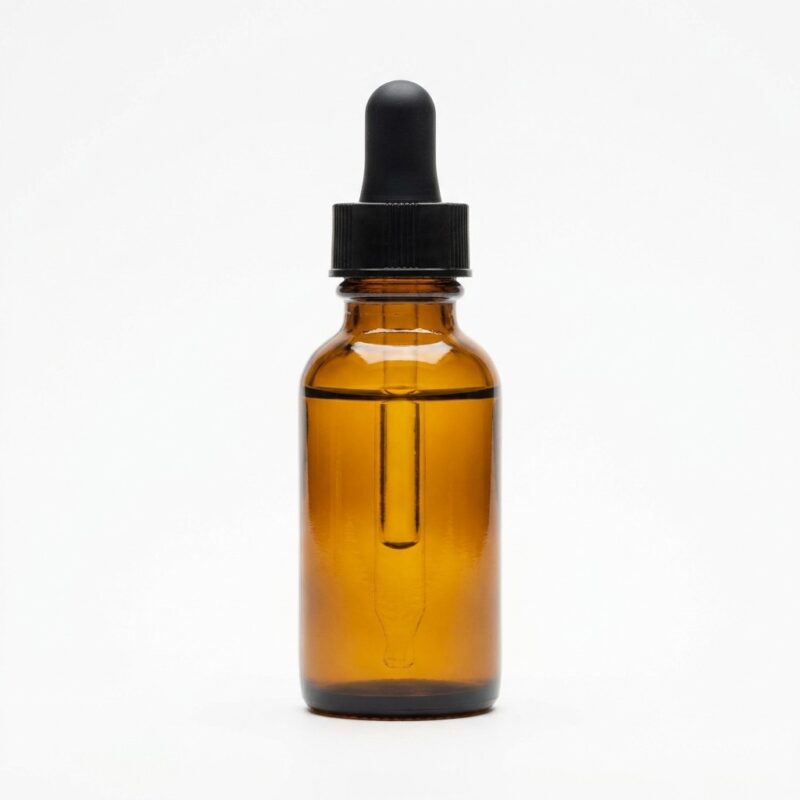
Flaxseed Oil (Linseed Oil) is a carrier oil cold-pressed from the seeds of Linum usitatissimum, presenting as a clear yellow to darker yellow oily liquid. As one of the richest plant-based sources of alpha-linolenic acid (ALA, omega-3), Flaxseed Oil provides exceptional anti-inflammatory, skin barrier-repairing, and moisture-retaining properties that make it particularly valuable for the formulation of products targeting sensitive, inflamed, or compromised skin conditions such as eczema, psoriasis, and rosacea.
INCI: Linum Usitatissimum (Linseed) Seed Oil
In personal care and cosmetic applications, Flaxseed Oil is valued for its ability to strengthen the skin’s natural moisture barrier, reduce transepidermal water loss, and soothe inflammatory skin responses — making it a premium functional ingredient in therapeutic skincare formulations.
Applications:
- Skincare (sensitive skin formulations, eczema and psoriasis-supportive products, barrier repair creams)
- Anti-Ageing (omega-3 rich facial oils, skin rejuvenation serums)
- Haircare (scalp health treatments, anti-inflammatory hair oils)
- Massage & Aromatherapy (carrier for anti-inflammatory essential oil blending)
Key Features & Benefits:
- Clear yellow to darker yellow – rich omega-3 carrier oil
- No animal substance – suitable for vegan and Halal-compliant formulations
- Richest plant-based ALA omega-3 source for anti-inflammatory skin benefits
- Strengthens skin moisture barrier and reduces transepidermal water loss
- Ideal for sensitive, inflamed, and compromised skin formulations
Cosmetic grade or industrial linseed — same plant, very different product
Flaxseed oil and linseed oil are the same botanical material, but “linseed oil” sold through hardware and coatings channels is frequently boiled or treated with metallic driers to accelerate polymerisation for wood finishing. That material is not suitable for personal care at any price, and the name on the drum will not always make the difference obvious. Specify cosmetic or food grade explicitly, and ask for confirmation that no driers or siccatives have been added.
This is the least stable carrier oil in common use
Flaxseed’s very high alpha-linolenic content is the reason it is bought and the reason it is difficult. It oxidises faster than any other mainstream carrier oil, and it does not merely go rancid — it polymerises, which is precisely the property the coatings industry exploits. In a finished cosmetic that can present as a tacky or sticky film developing over shelf life, alongside the sharp, fatty off-odour of rancidity.
Treat it as a cold-chain ingredient. Refrigerated storage, nitrogen blanketing where volumes allow, an added antioxidant, opaque packaging, cool-down-phase addition, and a shelf life set by the oil rather than the rest of the formula. It is the opposite end of the stability scale from a high-oleic oil such as marula oil, and where a formula needs omega-3 character with a workable shelf life the two are often used together.
What to ask for on the certificate of analysis
- Peroxide value and free fatty acid, with the pressing date. For this oil, age is a specification. A lot without a pressing date cannot be assessed.
- Full fatty-acid profile with alpha-linolenic stated.
- Explicit confirmation of cosmetic/food grade with no added driers.
- Tocopherol or added antioxidant, and storage conditions since pressing.
- Extraction method, country of origin and residual solvent if applicable.