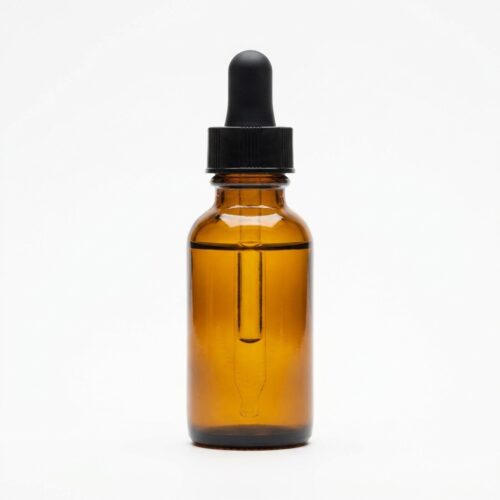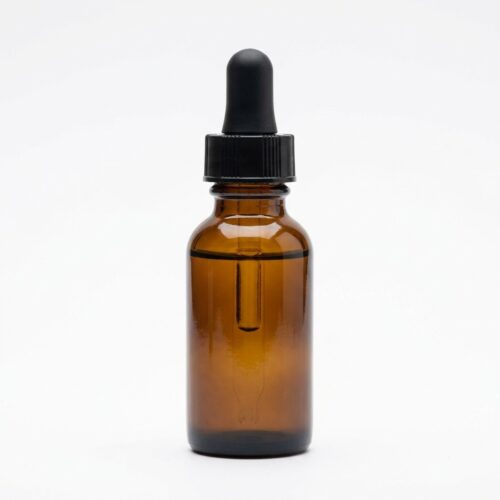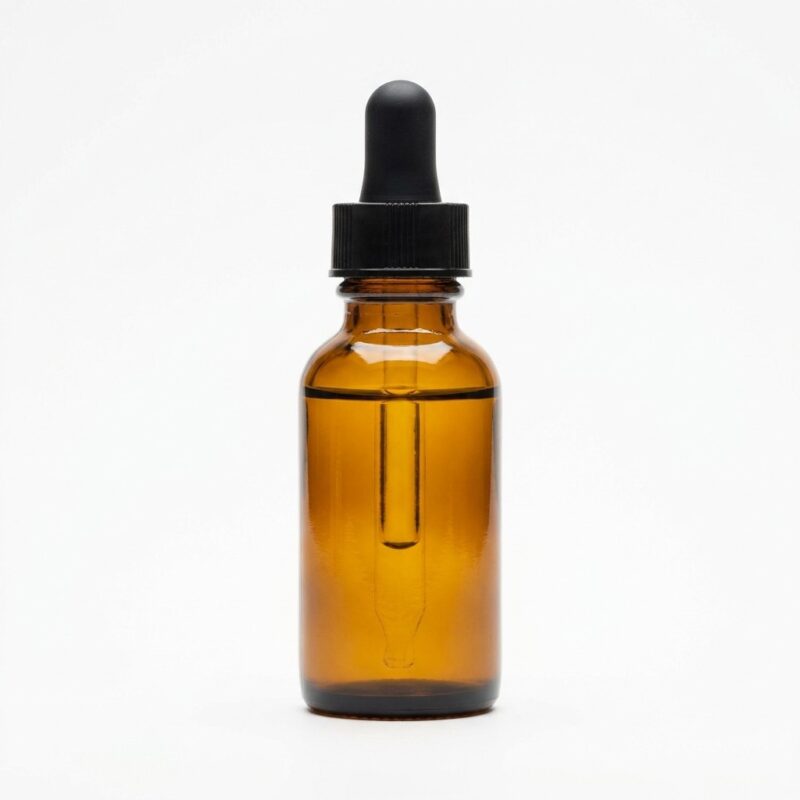
Neem Oil is a potent carrier oil cold-pressed from the seeds of Azadirachta indica, characterised by a distinctive colour profile (Lovibond 1/4 cell: Yellow 20.0, Red 1.6, Blue 0.2) and a strong, characteristic pungent odour — properties that reflect its high content of azadirachtin, nimbin, nimbidin, and fatty acids including oleic and linoleic acid. One of the most pharmacologically active carrier oils known, Neem Oil has been used for over 4,000 years in Ayurvedic medicine for its powerful antimicrobial, antifungal, anti-inflammatory, and insecticidal properties.
INCI: Melia Azadirachta Seed Oil
Due to its potency and strong scent, Neem Oil is typically used at low concentrations (1–5%) blended with milder carrier oils in formulations targeting acne, scalp conditions, fungal skin issues, and pest-repellent personal care products.
Applications:
- Skincare (acne treatment formulations, anti-fungal skin products, psoriasis and eczema support)
- Haircare (anti-dandruff scalp treatments, lice treatment formulations, scalp health products)
- Personal Care (insect-repellent body care, antimicrobial formulations)
- Traditional Ayurvedic Medicine (therapeutic oil blends for skin and scalp conditions)
Key Features & Benefits:
- Lovibond-characterised colour – authentic cold-pressed neem oil
- No animal substance – suitable for vegan and Halal-compliant formulations
- Powerful antimicrobial, antifungal, and anti-inflammatory properties
- Active against acne-causing bacteria and scalp fungal conditions
- 4,000+ year Ayurvedic heritage for skin and scalp therapeutic use
Azadirachtin is the active, and it does not keep
Neem’s pharmacological reputation rests largely on azadirachtin and the related limonoids, and their level is not a property of the species — it varies with seed origin, seed age, and above all with how the oil was extracted and stored. Azadirachtin degrades under light, heat and alkaline conditions, so an oil that assayed well at the press can assay poorly after warm storage in a translucent drum. Cold-pressed material generally retains more of it than solvent-extracted.
Most neem specification sheets report colour, acid value and little else. If the product is positioned on neem’s activity rather than simply on the name, ask for the azadirachtin figure and the extraction method explicitly, and keep the oil cool, dark and tightly closed.
Odour and behaviour are the formulation constraints
Neem has a strong, persistent sulphurous-garlicky odour that carries through most bases at functional levels and is genuinely difficult to mask — fragrance briefs for neem-containing products are built around it rather than over it. It is also semi-solid at cool ambient temperatures and needs gentle warming before use; this is normal and not a defect.
Two points to check before a level is set. Neem is used at low inclusion blended into milder carriers rather than neat, both for odour and for tolerance. And where a finished product makes an insecticidal or pest-repellent claim, neem may be regulated as a pesticidal active rather than a cosmetic ingredient depending on the market — that is a registration question, and it should be answered before the claim reaches the label.
What to ask for on the certificate of analysis
- Azadirachtin content and extraction method — the two figures that decide whether you are buying activity or aroma.
- Free fatty acid and acid value. Neem commonly runs higher in free fatty acid than other carriers, so know the band before rejecting a lot.
- Peroxide value, with pressing date.
- Colour, reported on a stated scale, and fatty-acid profile.
- Residual solvent if solvent-extracted, and country of origin.