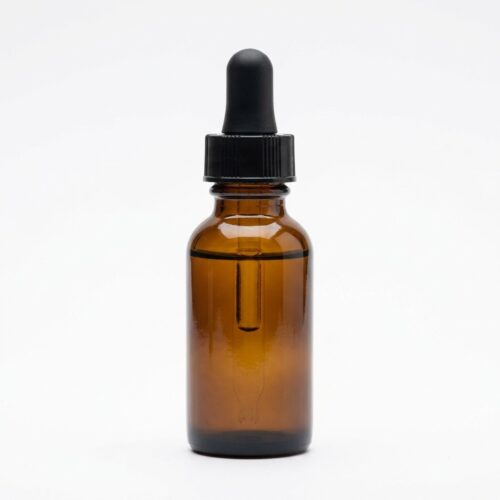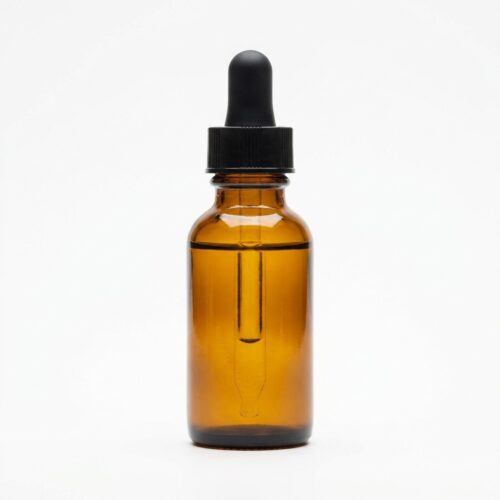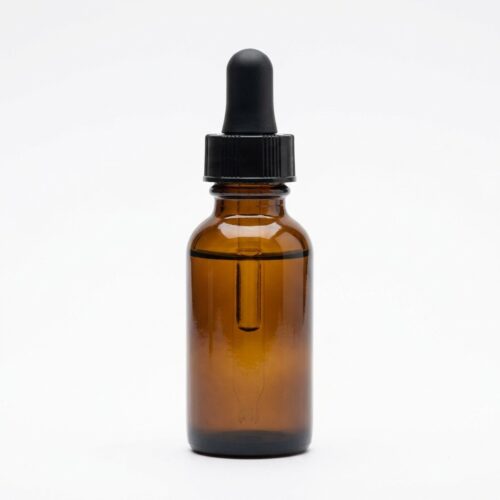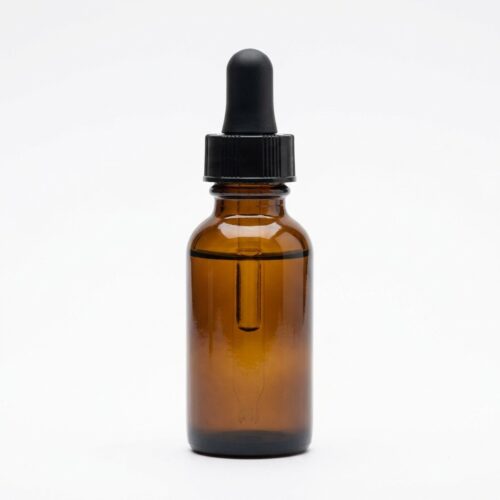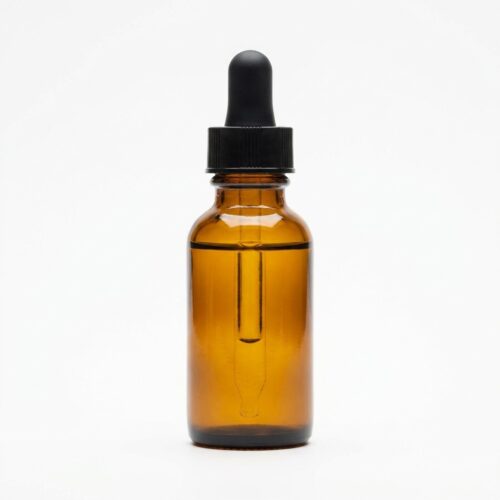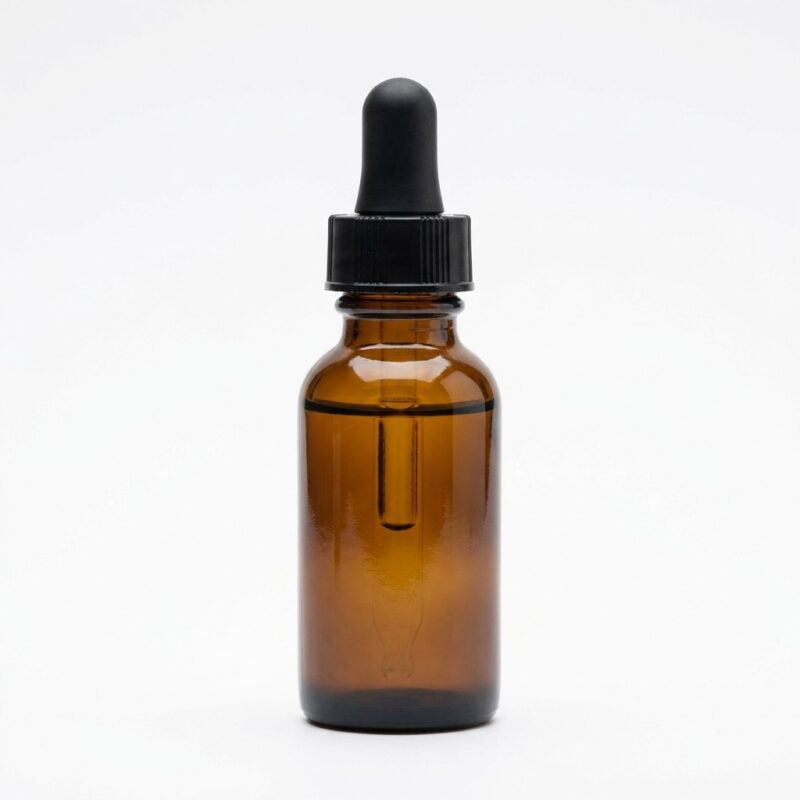
Clove Bud Essential Oil is a therapeutic-grade oil steam-distilled from the unopened flower buds of Syzygium aromaticum (clove tree), presenting as colourless to brownish yellow. The mildest and most desirable form of clove oil for personal care applications, Clove Bud Oil contains 60–90% eugenol — the primary compound responsible for clove’s powerful antimicrobial, antifungal, analgesic, and antioxidant properties — alongside beta-caryophyllene which adds anti-inflammatory activity. Its warm, rich, spicy aroma is one of the most recognisable in aromatherapy and fine fragrance.
Applications:
- Oral Care (toothache relief, antiseptic mouthwash, dental formulations)
- Aromatherapy (warming, immune-boosting, and stimulating diffuser blends)
- Fine Fragrance (spicy, warm oriental and masculine fragrance accords)
- Natural Antimicrobial (surface care, cleaning products, antimicrobial personal care)
Key Features & Benefits:
- Colourless to brownish yellow – premium clove bud essential oil
- No animal substance – suitable for vegan and Halal-compliant formulations
- High eugenol content – potent antimicrobial, antifungal, and analgesic
- Traditional oral care and toothache relief ingredient
- Warm, rich spicy character for aromatherapy and fine fragrance
Bud, leaf and stem oils
Three clove oils are distilled from different parts of Syzygium aromaticum, and they are not equivalent. Bud oil, as on this page, is the finest: rich in eugenol and notably in eugenyl acetate, which gives a rounder, sweeter, fruitier spice note. Leaf oil is also eugenol-rich but contains more beta-caryophyllene, little eugenyl acetate, and has a harsher, more phenolic odour at a lower price. Stem oil sits closer to leaf oil. Eugenyl acetate content is the practical marker that separates bud oil from leaf oil or blends, so it belongs on the certificate. The general clove oil listing is Clove Oil.
Eugenol as allergen
Eugenol is a declarable fragrance allergen and is restricted by IFRA by product category, so skin-contact use sits at levels set by the finished-product safety assessment. Oral-care use is common, but claims such as toothache relief are medical claims in most markets; cosmetic oral-care products stay with freshening and flavour.
Storage
Eugenol darkens with exposure to air, light and iron. Store sealed, cool and dark in non-reactive containers. For another eugenol-led oil at a lower price point, see Cinnamon Leaf Oil; for certified organic supply, see Organic Clove Bud Oil.
What to ask for on the certificate of analysis
- Species (Syzygium aromaticum) and plant part (bud)
- GC profile with eugenol, eugenyl acetate and beta-caryophyllene quantified
- Physical constants: relative density, refractive index, optical rotation
- Colour and date of manufacture
- Declarable fragrance allergens and a current IFRA certificate
- Country of origin, batch number, and food or cosmetic grade