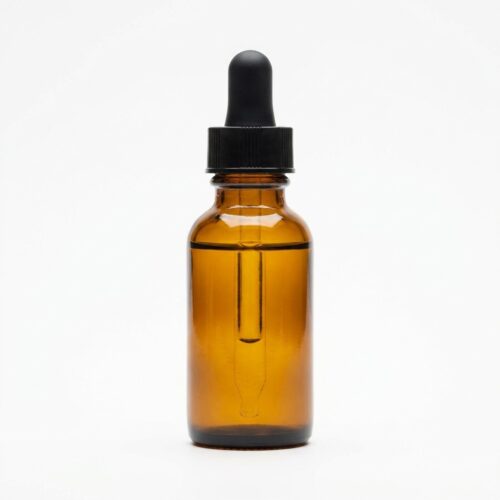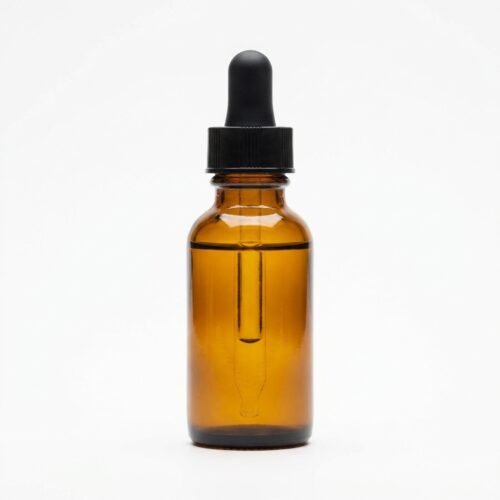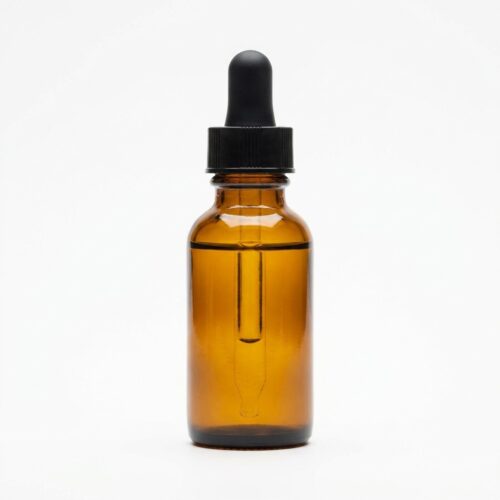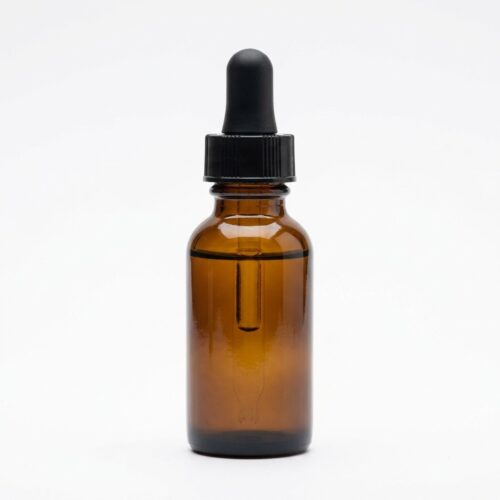
Pine Essential Oil is a therapeutic-grade oil steam-distilled from the needles and twigs of Pinus sylvestris (Scots pine) or related pine species, presenting as a pale yellow colour. Rich in alpha-pinene and beta-pinene, Pine Oil delivers a clean, fresh, woody-coniferous, balsamic, and invigorating forest fragrance that is universally associated with cleanliness and freshness. It is one of the most widely used essential oils in household cleaning product fragrances globally, while also offering genuine therapeutic properties including respiratory support, antimicrobial activity, and grounding aromatherapy benefits.
Applications:
- Cleaning Products (floor cleaners, bathroom disinfectants, fresh-pine household fragrances)
- Aromatherapy (respiratory support, grounding, and energising forest diffuser blends)
- Sports & Massage (muscle-warming, anti-inflammatory massage formulations)
- Fine Fragrance (crisp coniferous base-heart note in masculine and fresh-wood fragrances)
Key Features & Benefits:
- Pale yellow – authentic therapeutic-grade pine needle oil
- No animal substance – suitable for vegan and Halal-compliant formulations
- High alpha-pinene – antimicrobial and respiratory support properties
- Clean, fresh pine fragrance universally associated with cleanliness
- Dominant in household cleaning product fragrance categories globally
Pine needle oil is not industrial “pine oil”
The same name covers two different materials. Pine needle oil, as on this page, is steam-distilled from the needles and twigs and is led by alpha-pinene and beta-pinene, often with limonene, delta-3-carene and bornyl acetate depending on species. Industrial “pine oil” is a different product made from pine stumps or turpentine, rich in alpha-terpineol, and used as a solvent and in disinfectant cleaners, where it is often a registered active. Specify which one is needed; they differ in odour, chemistry, price and regulatory status.
Oxidation and IFRA
Pinenes and limonene oxidise in air, and oxidised pine oils are more likely to sensitise skin. IFRA requires essential oils from the pine family to be used only when their peroxide value is low, and antioxidant addition is common. Keep containers full, sealed, cool and dark, and check peroxide value on receipt. Adulteration with turpentine or isolated pinenes is the other thing a GC profile should rule out. Related conifer oils: Cypress Oil; for respiratory-style fresh notes, compare Eucalyptus Oil.
What to ask for on the certificate of analysis
- Species (for example Pinus sylvestris) and plant part (needles and twigs)
- GC profile with alpha-pinene, beta-pinene, limonene and bornyl acetate quantified
- Peroxide value, date of manufacture and any added antioxidant
- Physical constants: relative density, refractive index, optical rotation
- Declarable fragrance allergens and a current IFRA certificate
- Country of origin and batch number