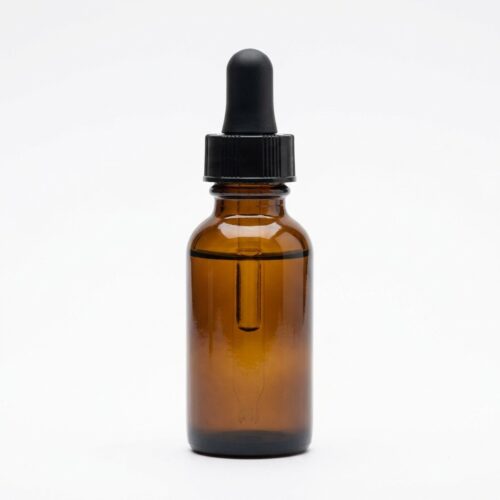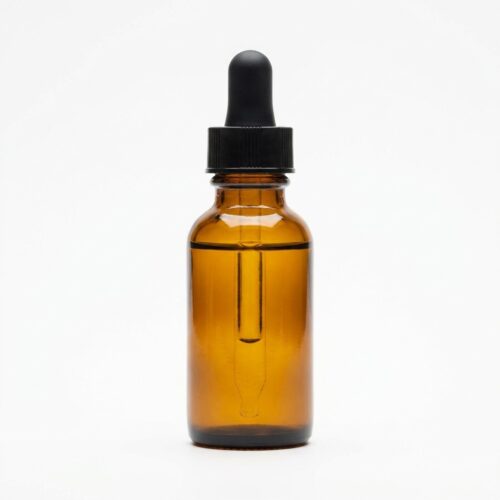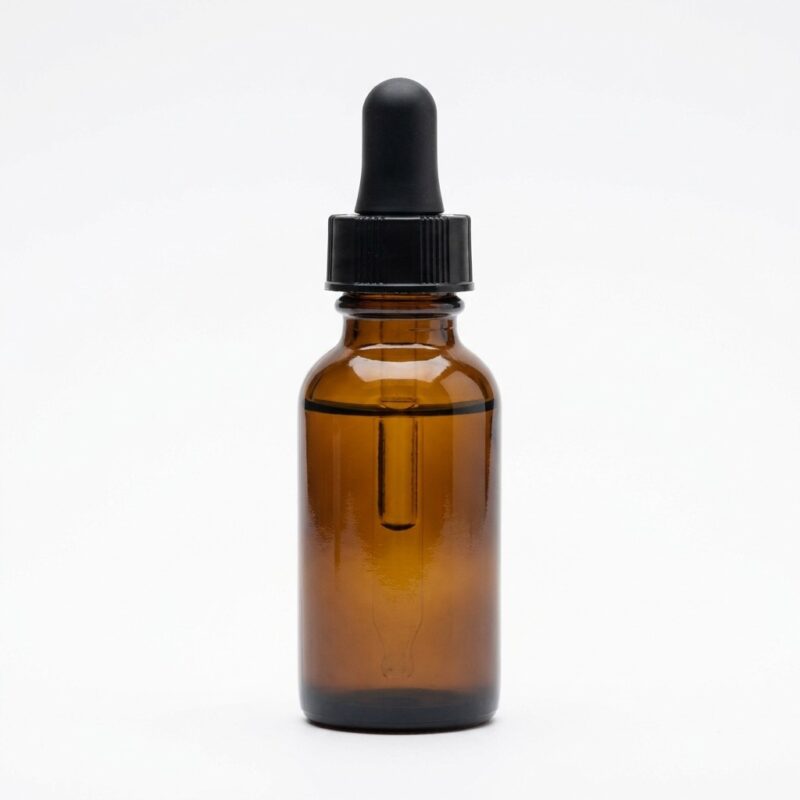
Eucalyptus Essential Oil is a therapeutic-grade oil steam-distilled from the leaves of Eucalyptus globulus or Eucalyptus radiata, presenting as almost colourless. The world’s most widely used respiratory support essential oil, Eucalyptus is dominated by 1,8-cineole (eucalyptol, 70–85%) — a compound with clinically proven expectorant, bronchodilatory, and antimicrobial properties. Its crisp, camphorous, clean, medicinal aroma is one of the most universally recognised essential oil fragrances globally, associated with breathing relief and respiratory health.
Applications:
- Respiratory Aromatherapy (steam inhalation, diffuser blends for cold and flu, decongestant products)
- Personal Care (chest rubs, decongestant balms, cold and flu topical formulations)
- Cleaning Products (natural antimicrobial and disinfectant cleaning formulations)
- Skincare (acne treatment, antimicrobial spot treatments, insect repellent formulations)
Key Features & Benefits:
- Almost colourless – high-purity therapeutic-grade eucalyptus oil
- No animal substance – suitable for vegan and Halal-compliant formulations
- High 1,8-cineole for clinically proven respiratory and antimicrobial benefits
- Most widely used essential oil for respiratory health applications globally
- Clean, camphorous medicinal aroma with universal consumer recognition
Rectified or natural — two different products under one name
Most eucalyptus oil traded for pharmaceutical and personal-care use is rectified: redistilled to raise 1,8-cineole and strip the aldehydes that make raw oil harsh. Pharmacopoeial grades specify a cineole minimum that unrectified oil often will not meet on its own. Natural, unrectified oil has a rounder and more variable aroma and a lower cineole figure, and is preferred in some aromatherapy work for exactly that reason.
Neither is better in the abstract, but they are not interchangeable, and a supplier quoting only “eucalyptus oil” may be offering either. State which you want, and state the cineole figure you are buying against, on the purchase order.
Handling and safety notes
Eucalyptus is a flammable liquid with a relatively low flash point — it needs appropriate storage classification and handling, which is a warehouse question as much as a formulation one. It is monoterpene-rich and oxidises with air, light and warmth, so keep containers full, cool and dark.
On safety: cineole-rich oils carry well-established cautions for use on or near the face of infants and young children, and several markets set minimum ages for products containing them. If the finished product is aimed at children, confirm the applicable age limit and maximum level for your target market before setting a use level.
It is soluble in alcohol and fixed oils, not in water, so aqueous systems need a solubiliser.
What to ask for on the certificate of analysis
- 1,8-cineole percentage, and an explicit statement of whether the oil is rectified or natural.
- GC-MS profile with the Eucalyptus species confirmed — globulus, radiata and citriodora are materially different oils.
- Pharmacopoeial compliance reference (BP/USP/EP) where the application requires it.
- Peroxide value, flash point, optical rotation, refractive index and specific gravity.
- Country of origin and distillation date.
A certified-organic grade is available as Organic Eucalyptus Oil for finished products carrying an organic claim.