
Essential oils are among the most concentrated plant extracts used in personal care, and that potency is exactly why they should never touch skin undiluted. Blending essential oils with the right carrier oil is the single most important step between a fragrant idea and a safe, effective skincare formulation.
What Is Essential Oil Blending?
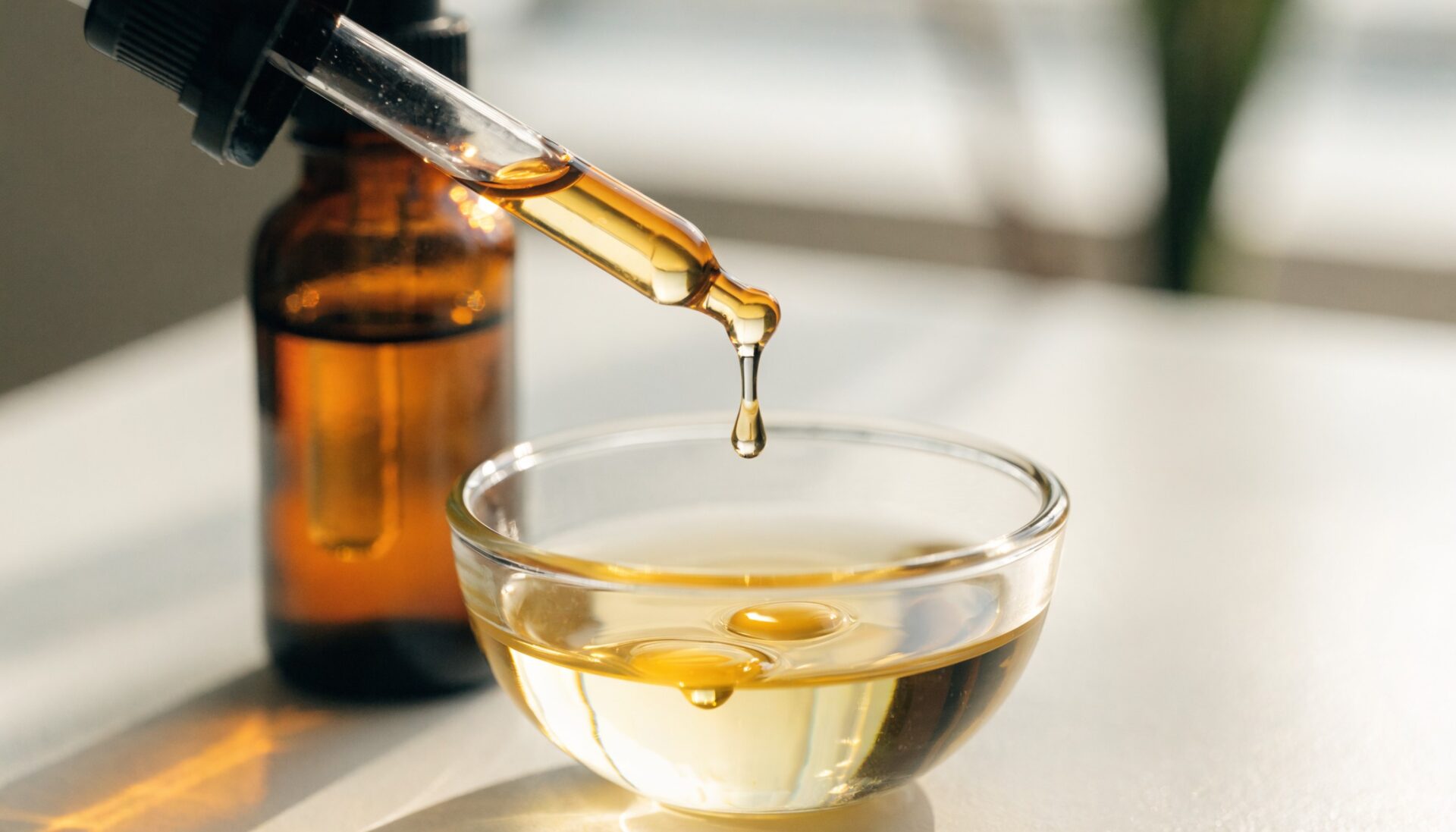
Essential oil blending is the practice of diluting a concentrated essential oil in a “carrier” or “base” oil before it is applied to skin, added to a cream, or used in a diffuser blend. Carrier oils are fatty, non-volatile plant oils that carry the essential oil across the skin’s surface, slow its evaporation, and buffer its intensity so it does not irritate or sensitize.
What Happens If You Skip the Carrier Oil?
Applying essential oil directly to skin without dilution (sometimes called using it “neat”) significantly raises the risk of sensitization — a cumulative allergic-type reaction that can develop even in people who tolerated the same oil safely before. Repeated undiluted use trains the immune system to react to the oil, and once sensitized, a person may need to avoid that oil entirely, even in diluted form. This is the core safety reason dilution guidelines exist, rather than simply being a suggestion for comfort.
Key Benefits of Blending with Carrier Oils
Safer Topical Application
A proper carrier oil dilution reduces the risk of irritation and sensitization while preserving the oil’s therapeutic and aromatic properties.
Improved Skin Absorption
Because essential oil molecules are so small, they penetrate skin far faster than typical skincare actives. Carrier oils moderate that absorption rate and add their own nourishing fatty acids, giving formulations a more balanced skin-feel.
Extended Shelf Life and Cost Efficiency
Diluting stretches an expensive essential oil across a larger, usable volume, and stable carrier oils help protect more volatile essential oils from oxidizing as quickly.
Customizable Formulations
Blending allows formulators to combine oils for targeted skin concerns — lavender and chamomile for sensitive skin, tea tree for blemish-prone skin, rosehip and frankincense for visible signs of aging.
Common Carrier Oils and Their Properties
- Fractionated coconut oil — odorless, non-comedogenic, very long shelf life; the standard choice for rollerball blends and everyday moisturizing
- Jojoba oil — technically a liquid wax that closely resembles skin sebum; non-comedogenic and balances both oily and dry skin
- Sweet almond oil — lightweight, rich in vitamin E, absorbs easily without a greasy feel; popular for lotions and massage oils
- Grapeseed oil — very light and thin, well suited to facial serums and deep-tissue massage blends
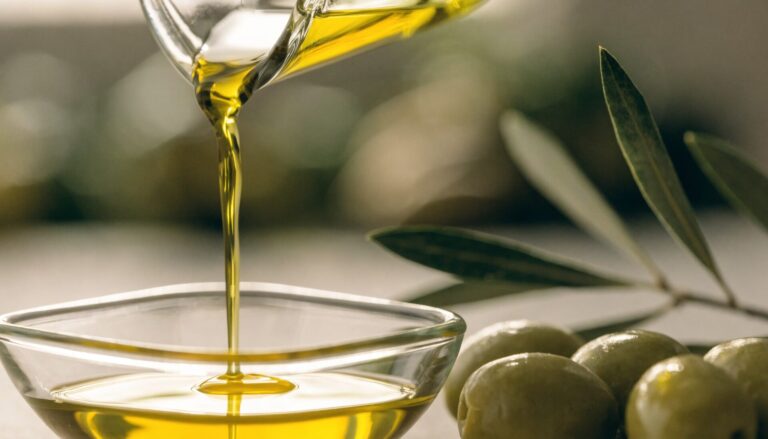
- Extra virgin olive oil — rich in antioxidants, heavier texture and stronger scent, suited to balms and richer creams
- Argan oil — high in vitamin E, favored in anti-aging and hair care formulations
- Apricot kernel oil — light, fast-absorbing, a common substitute where sweet almond oil isn’t suitable due to nut allergies
Safe Dilution Guidelines
- Face cream or lotion: 1–2% dilution (roughly 1 drop of essential oil per teaspoon of carrier oil), lower for sensitive or facial skin
- Body oils and lotions: 2–5% dilution for general adult topical use
- Body scrub or massage balm: 1 to 2 drops per application
- Floral water or hydrosol: 3 to 5 drops per 100ml, shaken well before use
Sourcing and Quality Considerations for Manufacturers
Formulators sourcing essential oils and carrier oils at scale should request GC/MS purity testing and a certificate of analysis for every batch, confirming the absence of synthetic adulterants and consistent chemotype. Carrier oils should be evaluated for extraction method (cold-pressed versus refined), peroxide value, and shelf stability, since oxidized carrier oils can turn a finished product rancid well before its expiry date. For cosmetic use, check that essential oil suppliers can provide IFRA compliance documentation and allergen declarations for the 26 EU-regulated fragrance allergens.
Safety and Side Effects
Always patch-test a new blend on a small area of skin before full use. Citrus oils such as bergamot and lemon are phototoxic and should be avoided on skin exposed to sunlight. Pregnant or breastfeeding individuals, and those with known sensitivities, should consult a healthcare provider before introducing new essential oil blends. Never ingest essential oil blends intended for topical or diffuser use.
Frequently Asked Questions
What is the best carrier oil for essential oils?
There isn’t one universal answer — fractionated coconut oil is the most versatile odorless option, jojoba oil best matches skin’s natural oils for oily or acne-prone skin, and sweet almond or argan oil work well for richer, nourishing blends.
What’s the difference between an essential oil and a carrier oil?
Essential oils are volatile, aromatic plant extracts, usually obtained by steam distillation. Carrier oils are non-volatile fatty oils, typically cold-pressed from seeds or nuts, used to dilute essential oils for safe topical use.
Can I use olive oil as a carrier oil?
Yes. Extra virgin olive oil is a widely used carrier oil, particularly in balms and richer creams, thanks to its antioxidant content, though its heavier texture and stronger scent make it less suited to lightweight facial serums.
Sourcing essential oils or carrier oils for your formulation?
FC Materials supplies GC/MS-tested essential oils and cold-pressed carrier oils for cosmetic and personal care manufacturing. Tell us your product needs and our team will respond with specs, pricing, and MOQ.