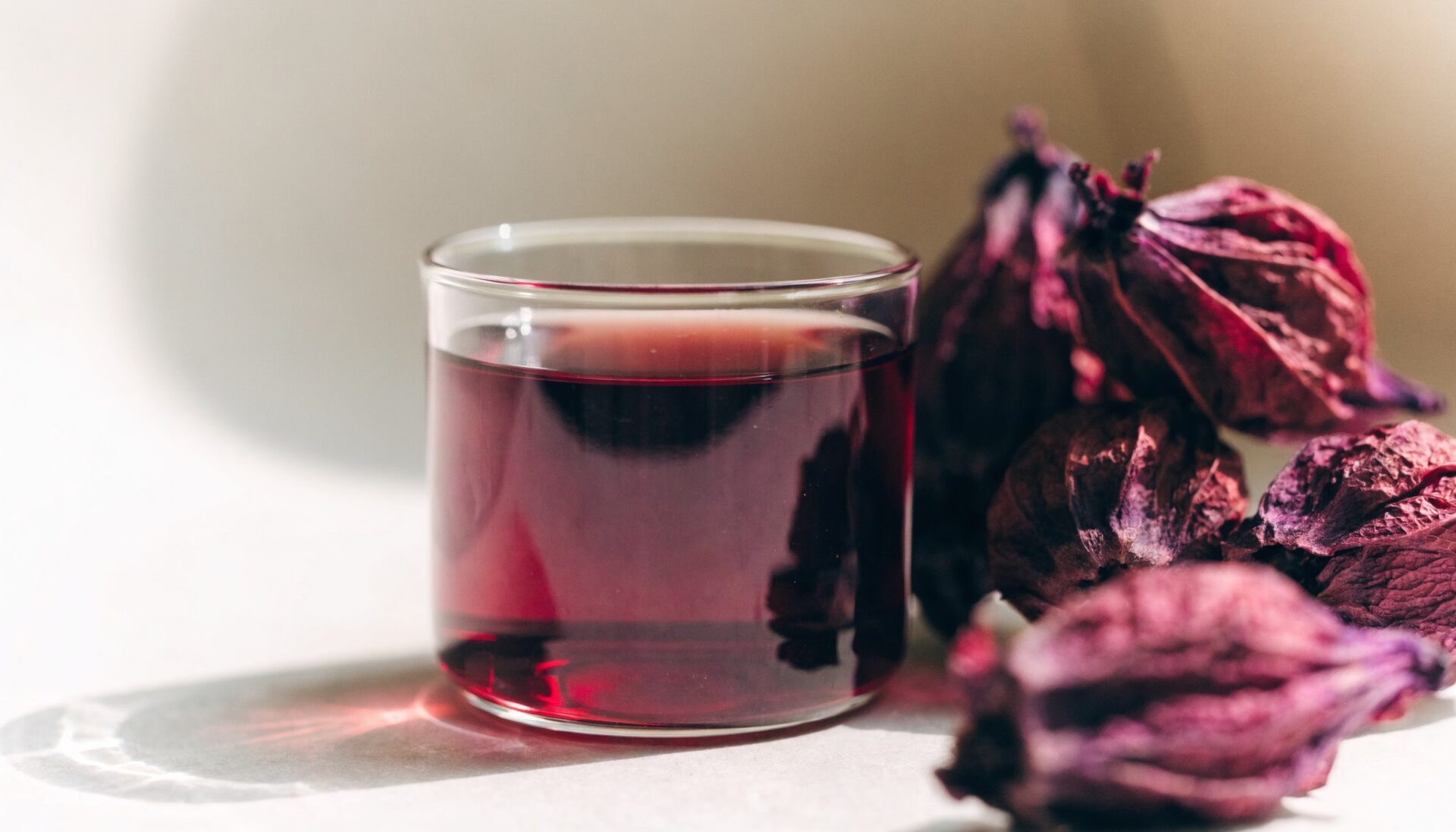

Roselle, better known by its common name hibiscus, produces the tart, ruby-red tea enjoyed from West Africa to the Caribbean to the Middle East, and now increasingly across health-focused Western markets. With “hibiscus tea benefits” drawing over 60,000 monthly searches, it’s one of the largest-volume botanical ingredients covered so far, and the underlying plant, Hibiscus sabdariffa, is the same one behind the Roselle extract used in supplement and food formulations.
What Is Roselle (Hibiscus)?
Roselle (Hibiscus sabdariffa) is a species of hibiscus grown for its calyces, the fleshy red sepals surrounding the flower’s base, which are dried and used to make tea, extract, and food colorants. It’s distinct from ornamental hibiscus grown purely for its flowers. The dried calyces are rich in anthocyanins (the same pigment class found in cranberry and other red-purple fruits) and organic acids, which give roselle both its color and its tart flavor.
Key Health Benefits of Roselle
Antioxidant Support
Roselle’s anthocyanin content makes it a potent antioxidant ingredient, and much of its modern research interest and supplement positioning centers on this property, similar to other anthocyanin-rich botanicals like cranberry and hibiscus’s own close relatives.
Heart Health and Blood Pressure Support
Roselle has been studied for a potential role in supporting healthy blood pressure, one of its most well-established modern research areas. Some research suggests it works partly through a mechanism functionally similar to ACE inhibitors, relaxing blood vessels, alongside a mild diuretic effect, making it a key part of its positioning in heart-health-focused supplements and teas.
Skin Health
Hibiscus tea and extract benefits for skin are a fast-growing search category, with roselle’s antioxidant and vitamin C content positioned for both ingestible beauty-from-within products and topical skincare applications.
Women’s Health
Roselle carries a long traditional association with women’s health across the cultures where it’s traditionally consumed, and this remains a significant modern search and formulation category, alongside general antioxidant and heart-health positioning.
Roselle Benefits for Men and Women
Search interest in hibiscus/roselle splits along fairly distinct lines: women’s health content frequently touches on menstrual and hormonal topics, alongside skin and beauty applications, while men’s health content is a smaller but still meaningful segment, more often tied to general heart-health and antioxidant framing rather than gender-specific claims.
Common Forms Used in Formulation
- Dried calyces (whole or cut), used for traditional tea preparation and as a base for extraction.
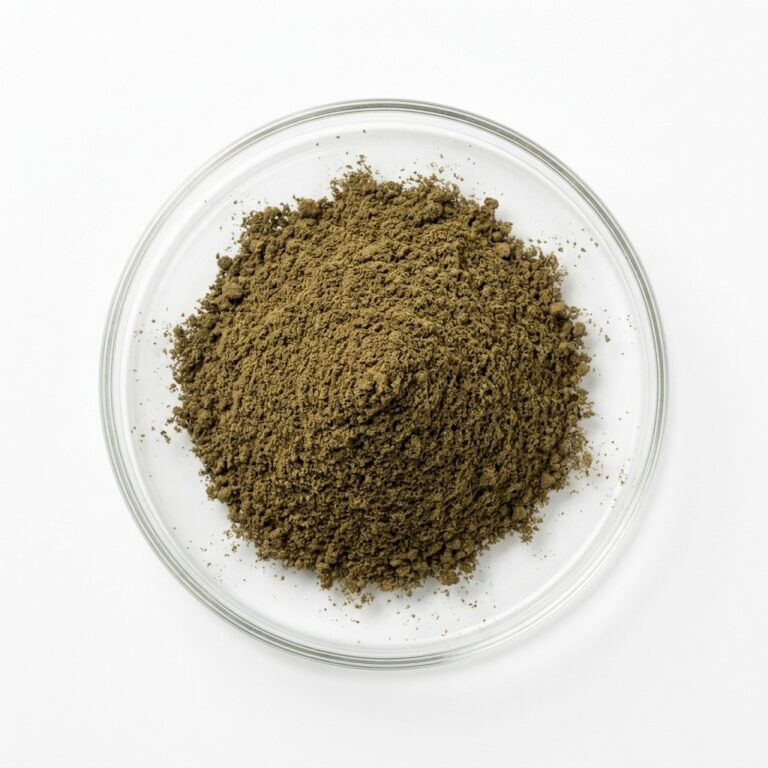
- Roselle extract, standardized for anthocyanin content, used in capsules, tablets, and functional beverages where a measurable potency claim is needed.
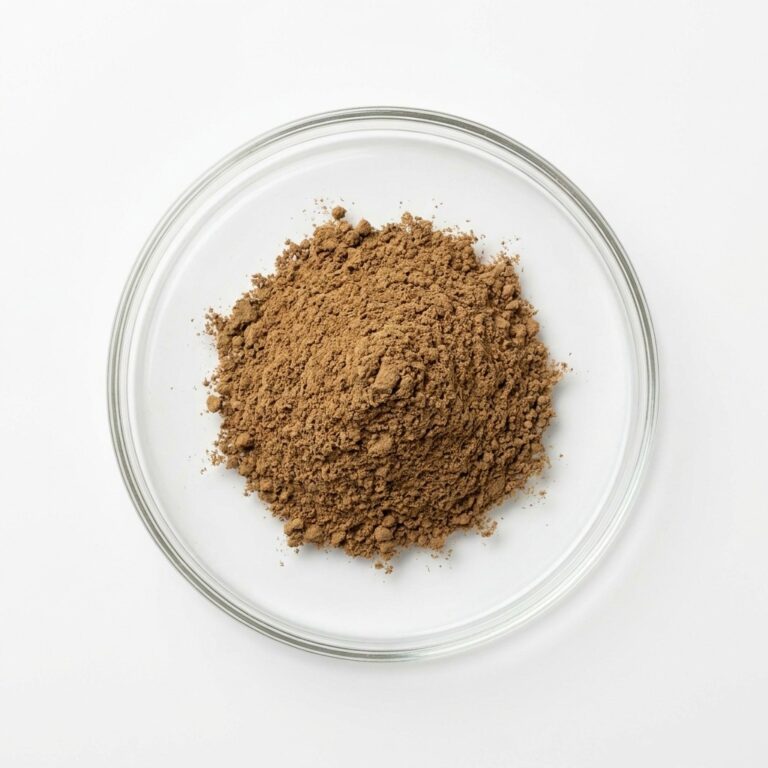
- Roselle powder, used as both a functional ingredient and a natural red colorant in food and beverage applications.
Sourcing and Quality Considerations for Manufacturers
Roselle quality is influenced by growing region (West Africa, Sudan, Thailand, and Mexico are major sources), calyx size and color depth, and drying method, all of which affect anthocyanin content and visual appeal in finished tea and extract products. Manufacturers should request anthocyanin standardization percentage and documentation confirming the calyces are sourced from Hibiscus sabdariffa specifically, since other hibiscus species are sometimes substituted in lower-quality supply chains.
Safety and Side Effects
Roselle/hibiscus tea is well tolerated by most people at typical consumption levels. Because of its studied blood-pressure-lowering effect, it carries a standard precaution for people on blood pressure medication, and its traditional association with menstrual and hormonal effects means products should carry a standard consult-your-doctor note for pregnant or hormone-sensitive consumers. Individuals undergoing chemotherapy should also check with their oncology team before regular use, since interactions between concentrated botanical antioxidants and certain treatments are an area of active caution in clinical literature.
Frequently Asked Questions
Is roselle the same as ornamental hibiscus flowers?
No. Roselle (Hibiscus sabdariffa) is grown specifically for its calyces and has a different chemical and nutritional profile than ornamental hibiscus varieties grown mainly for their flowers.
Can roselle extract be used as a natural food colorant?
Yes, roselle’s deep red anthocyanin pigment makes it a popular natural colorant option in beverages and food products looking to avoid synthetic dyes.
How does roselle compare to cranberry as an antioxidant ingredient?
Both are anthocyanin-rich, tart, red-pigmented botanicals with overlapping antioxidant and heart-health positioning, though roselle’s traditional use and blood-pressure research base give it a somewhat distinct formulation niche from cranberry’s urinary-health specialization.
Sourcing roselle (hibiscus) extract for your formulation?
FC Materials supplies roselle extract and other antioxidant-rich botanical ingredients to supplement, beverage, and food manufacturers. Tell us your product needs and our team will respond with specs, pricing, and MOQ.
Which is healthier, hibiscus tea or green tea?
Both offer meaningful antioxidant benefits through different compound classes — hibiscus through anthocyanins with notable blood-pressure research, green tea through catechins with notable metabolic and cognitive research — making them complementary rather than directly competing choices.