
It’s in your soda, your vitamin C tablets, your dishwasher detergent, and your shampoo, and it all traces back to the same tart compound found naturally in citrus fruit. Citric acid monohydrate is one of the most widely used multifunctional ingredients across food, pharmaceutical, and personal care manufacturing.
What Is Citric Acid Monohydrate?
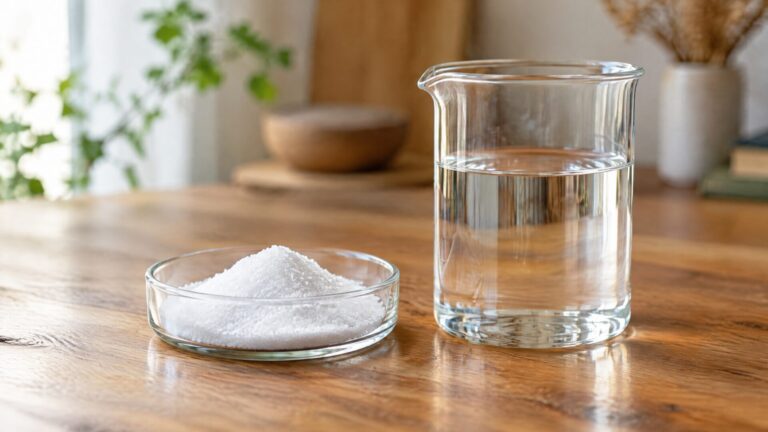
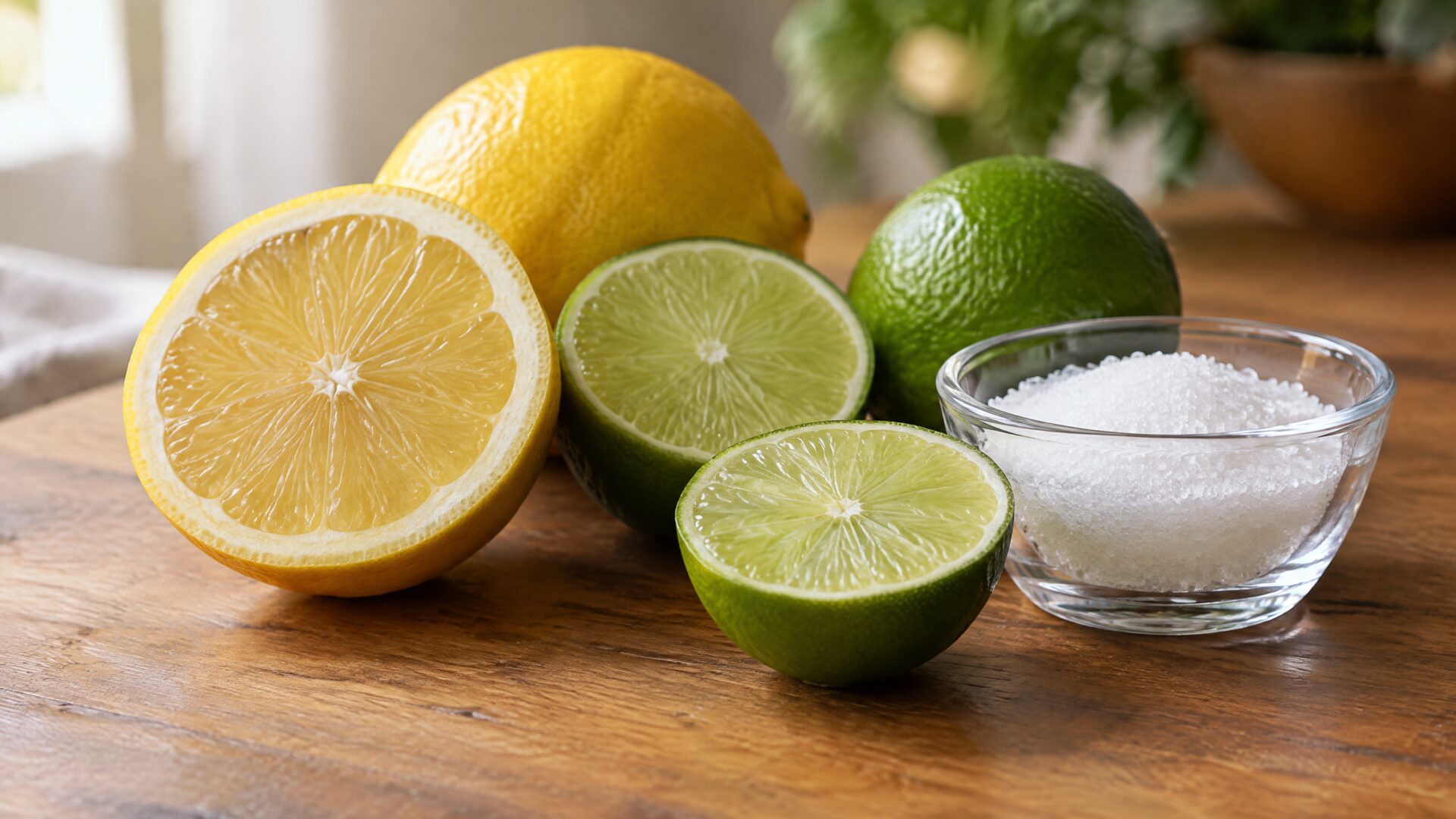
Citric acid monohydrate is the crystalline, water-containing form of citric acid, a weak organic acid naturally present in citrus fruits like lemons and limes. Commercially, most citric acid is produced through microbial fermentation of sugars (typically using Aspergillus niger) rather than extracted from fruit, since fermentation is far more cost-effective at industrial scale. The “monohydrate” designation refers to a single water molecule bound within its crystal structure, distinguishing it from the anhydrous (water-free) form used in some applications requiring lower moisture content.
Key Uses of Citric Acid
Food and Beverage Preservation
Citric acid extends shelf life by lowering pH and inhibiting microbial growth, and it’s widely used as an acidulant in beverages, sauces, jams, and canned goods, both for preservation and to balance sweetness with tartness.
Pharmaceutical Applications
In pharmaceuticals, citric acid serves as a buffering agent, a preservative in vitamin C and other supplements, and a flavor-masking agent to make medications more palatable, particularly in formulations for children.
Cleaning and Descaling
Citric acid’s ability to dissolve mineral deposits makes it a common ingredient in descaling products for kettles, dishwashers, and other appliances, as well as in natural, biodegradable cleaning formulations.
Personal Care and Cosmetics
Citric acid functions as a pH adjuster in shampoos and skincare products and as a mild exfoliating agent in scrubs and chemical peels, where its alpha-hydroxy-acid-like action helps remove dead skin cells.
Common Forms Used in Formulation
- Citric acid monohydrate, the most common commercial form, used across food, pharmaceutical, and cleaning applications
- Anhydrous citric acid, used where lower moisture content is required, such as in effervescent tablets
- Food-grade vs. technical-grade citric acid, differentiated by purity level and intended application
Sourcing and Quality Considerations for Manufacturers
Buyers should request a certificate of analysis confirming purity, moisture content, and heavy metal testing, along with documentation of the production method (fermentation-derived citric acid dominates the commercial market). Non-GMO documentation for the fermentation substrate and confirmation of food-grade versus technical-grade classification are worth verifying depending on the intended application, since the same base compound serves very different regulatory and quality requirements across food, pharma, and industrial cleaning uses.
Safety and Side Effects
Citric acid is widely recognized as safe for food, pharmaceutical, and cosmetic use at typical concentrations. In topical exfoliating applications, it can cause irritation or increased sun sensitivity if used at overly high concentrations, so proper formulation and sun protection guidance are standard practice. It carries no significant allergen concerns for most people, though very acidic formulations can irritate sensitive skin or mucous membranes.
Frequently Asked Questions
What is citric acid used for?
It’s used as a preservative and flavor enhancer in food and beverages, a buffering and flavor-masking agent in pharmaceuticals, a descaling and cleaning agent in household products, and a pH adjuster or mild exfoliant in cosmetics.
Is citric acid natural or synthetic?
Citric acid occurs naturally in citrus fruits, but most commercial citric acid is produced through microbial fermentation of sugars rather than extracted from fruit, since fermentation is more efficient at industrial scale while yielding a chemically identical compound.
What is the difference between citric acid and citric acid monohydrate?
Citric acid monohydrate contains one bound water molecule in its crystal structure, while anhydrous citric acid does not; the choice between them depends on the moisture sensitivity of the specific formulation.
Is citric acid safe for skin?
Yes, at appropriately formulated concentrations, though higher-concentration exfoliating uses can increase sun sensitivity and should be paired with sun protection guidance.
Sourcing citric acid monohydrate for your formulation?
FC Materials supplies food, pharmaceutical, and cosmetic-grade citric acid monohydrate for manufacturing. Tell us your product needs and our team will respond with specs, pricing, and MOQ.