
Introduction:
You might have heard about probiotics and how they help keep your gut healthy. But have you heard of inulin? Inulin is a type of fiber called a prebiotic, which means it feeds the good bacteria in your gut. This helps create a healthy environment for these helpful microbes to grow. In this post, we’ll explain what inulin is, its health benefits, and how you can add it to your diet.
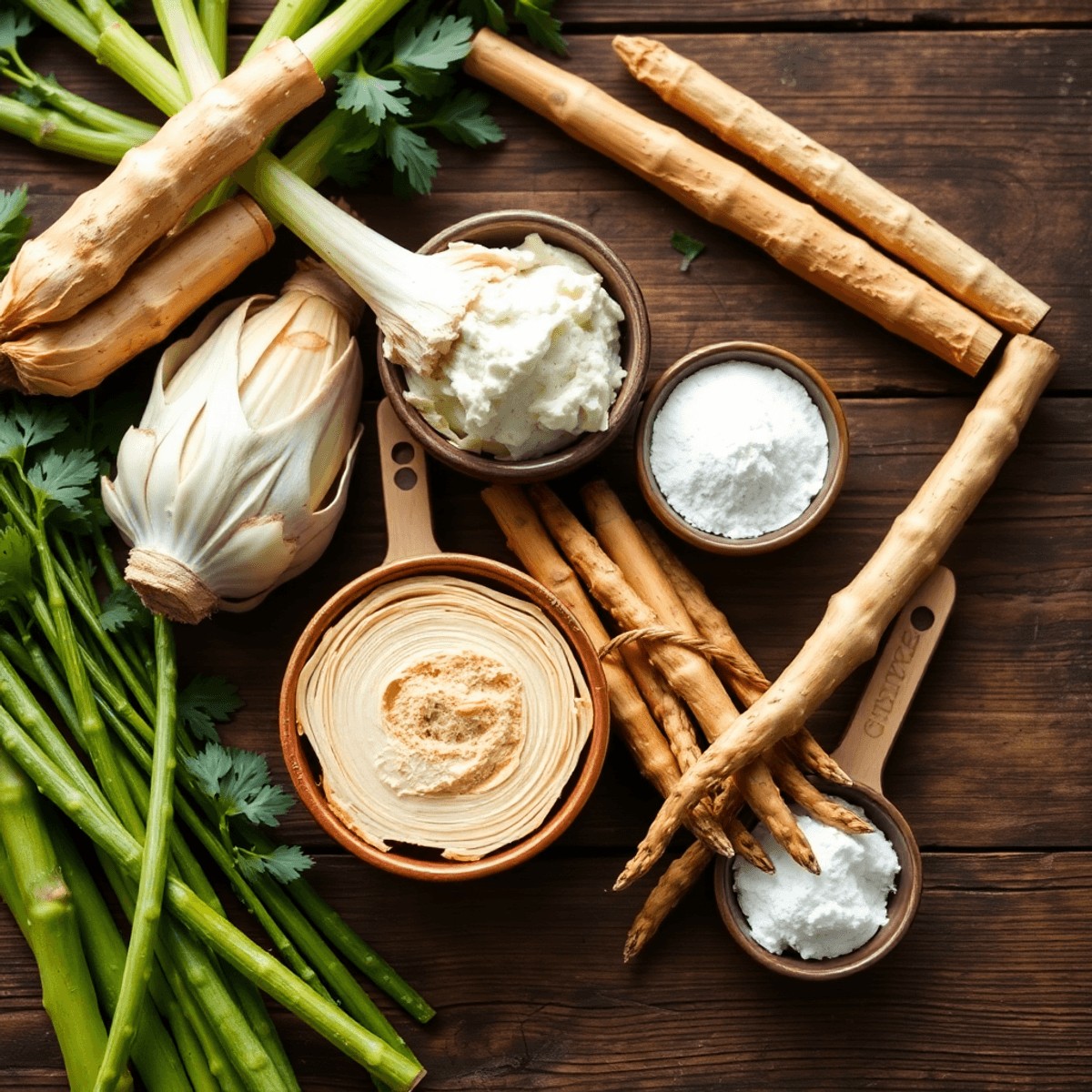
Inulin is a soluble fiber found in plants like chicory root, Jerusalem artichokes, and asparagus. It’s made of linked sugar molecules called fructose. Since your small intestine can’t digest it, inulin passes to your large intestine where it feeds good bacteria. This helps produce substances that support gut health.
Here are some key benefits of inulin:
- Helps Good Bacteria Grow: Inulin feeds the helpful bacteria in your gut, especially Bifidobacterium species, which keeps your gut healthy.
- Improves Digestion: As a fiber, inulin helps keep you regular and prevents constipation. Supporting good bacteria also boosts overall digestion.
- Supports Your Immune System: A healthy gut helps your immune system work better. By feeding good bacteria, inulin may strengthen your body’s defenses.
- Might Help Control Weight: Inulin can reduce hunger by slowing stomach emptying, helping you feel full longer.
If you want to add more inulin to your meals, try these simple ideas:
- Eat More Chicory Root: Chicory root has lots of inulin. You can drink chicory root tea or use it as a coffee substitute.
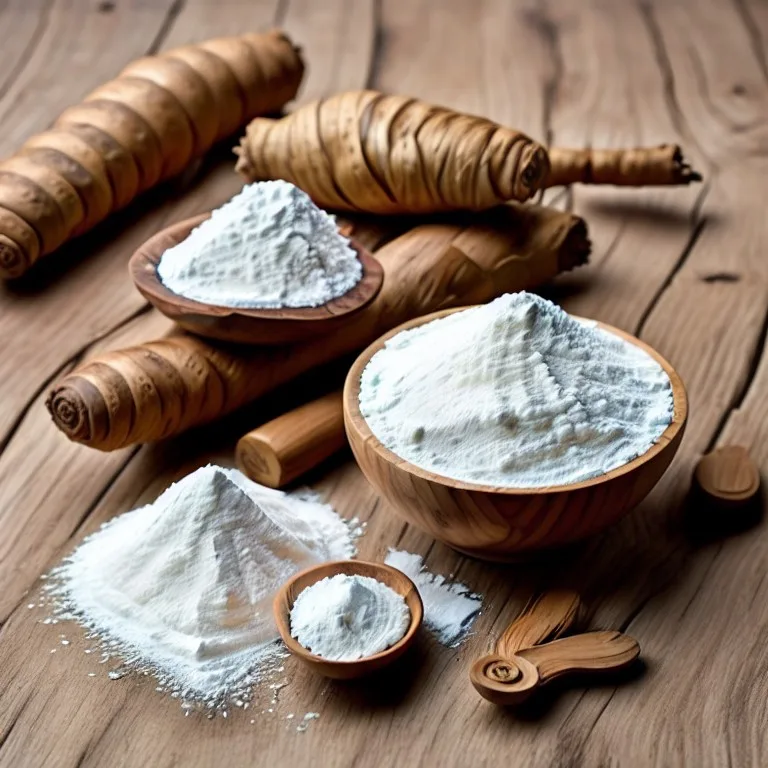
- Add Inulin Powder to Smoothies: Inulin powder is available as a supplement and mixes easily into smoothies for extra fiber.
- Eat More Asparagus: Roast asparagus with garlic and olive oil for a tasty side dish rich in inulin.
- Try Jerusalem Artichokes: Also called sunchokes, these root veggies are high in inulin and delicious when roasted.
[Inulin] is not just beneficial for gut health but also has several other health advantages that you can explore further. Adding more inulin-rich foods to your diet can help you enjoy these benefits.
If you’re curious about how to seamlessly integrate more [inulin] into your meals, we’ve got some suggestions for you!
Conclusion
FAQs (Frequently Asked Questions)
What is inulin and where is it found?
Inulin is a prebiotic soluble fiber found in plants such as chicory root, Jerusalem artichokes, and asparagus. It is a fructan, meaning it consists of a chain of fructose molecules that serve as food for beneficial gut bacteria.
How does inulin benefit gut health?
Inulin promotes the growth of beneficial bacteria in the gut, improving digestion and supporting overall gut health. By nourishing these good bacteria, it helps maintain a balanced microbiome essential for digestive wellness.
What are the health benefits of consuming inulin?
Consuming inulin offers multiple health benefits including improved digestion, enhanced immune function, and support for weight management. Its prebiotic properties foster beneficial gut bacteria that contribute to overall wellness.
How can I incorporate inulin into my diet?
You can incorporate inulin by consuming chicory root through supplements, teas, or as a coffee substitute. Additionally, adding inulin powder to smoothies or eating inulin-rich foods like asparagus and sunchokes are effective ways to boost your intake.
Which foods are rich sources of inulin?
Rich sources of inulin include chicory root, Jerusalem artichokes (sunchokes), asparagus, and other similar plants. Including these foods in your diet can enhance gut health due to their high inulin content.
Can inulin help with weight management?
Yes, inulin can aid weight management by promoting satiety and supporting healthy digestion. Its role as a soluble fiber helps regulate appetite and contributes to better metabolic health when included as part of a balanced diet.