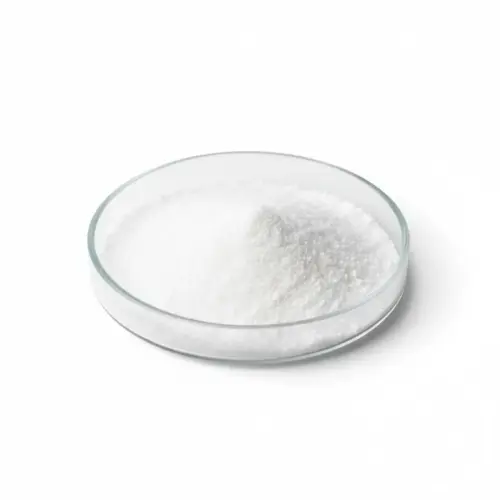
DMDM Hydantoin is a formaldehyde-releasing preservative system used in personal care formulations to prevent microbial contamination. With a pH value of 6.5–7.5 and an active ingredient content of 54.0–56.0%, DMDM Hydantoin slowly releases controlled amounts of formaldehyde over time — a mechanism that provides broad-spectrum antimicrobial protection against bacteria, yeast, and mould across a wide range of personal care product types. It is effective across a broad pH range and highly compatible with most personal care ingredients.
Applications:
- Shampoos & Conditioners (preservation of rinse-off hair care formulations)
- Body Wash & Cleansers (microbial protection in surfactant-based cleansing products)
- Skincare Lotions & Creams (cost-effective preservation in leave-on formulations)
- Styling Products (preservation of hair gels, mousses, and sprays)
Key Features & Benefits:
- pH 6.5–7.5, active 54.0–56.0% – stable, well-characterised preservative system
- Broad-spectrum antimicrobial activity against bacteria, yeast, and mould
- Effective across wide pH range (4.0–9.0)
- Cost-effective preservation solution for personal care manufacturers
- Well-established regulatory status in personal care formulation globally
How DMDM hydantoin preserves
DMDM hydantoin is a formaldehyde-releasing preservative: in water it slowly releases small amounts of formaldehyde, which kills bacteria and, to a lesser extent, yeast and mould. It is usually supplied as a water solution with a stated active content and is often combined with a second preservative for better antifungal cover.
Regulation and labelling
Formaldehyde releasers are regulated preservatives under the ASEAN Cosmetic Directive, with a maximum concentration and a label warning when the finished product releases formaldehyde above a set level. Some people are allergic to formaldehyde, and many brands now choose other preservatives for leave-on and baby products. Check the current limits before use.
Formulation notes
DMDM hydantoin works across a wide pH range and is compatible with most surfactants. A chelating agent such as EDTA improves its performance. Always confirm preservation with a challenge test on the finished product.
What to ask for on the certificate of analysis
- Active content (%) and free formaldehyde, with methods
- pH and specific gravity
- Batch number, manufacture and retest dates; safety data sheet (SDS)