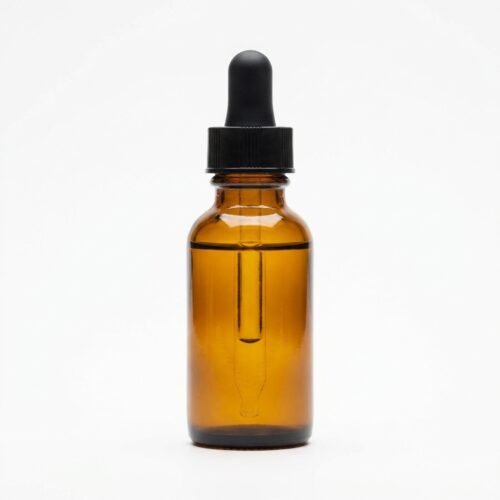
Rose Essential Oil is one of the most precious and coveted natural aromatic ingredients in the world — steam-distilled or solvent-extracted from the petals of Rosa damascena (Bulgarian rose) or Rosa centifolia (Moroccan rose), presenting as almost colourless to yellow. Requiring 3–5 tonnes of hand-picked rose petals to produce just one kilogram of pure rose otto (steam-distilled), Rose Oil is among the most expensive natural fragrance ingredients in existence — a status that underlines its extraordinary complexity and the richness of its floral profile. Its warm, deep, honeyed, and intricately sweet floral character is the defining heart note of classic feminine fine perfumery.
INCI: Rosa Damascena Flower Oil
Applications:
- Fine Fragrance (the defining heart note of classic feminine perfumery)
- Skincare (premium anti-ageing, hydrating, and soothing luxury skin formulations)
- Aromatherapy (emotional healing, self-love, grief support, and mood-lifting blends)
- Premium Personal Care (luxury body care, hair perfume, prestige cosmetics)
Key Features & Benefits:
- Almost colourless to yellow – genuine precious Rose Otto or Rose Absolute
- No animal substance – suitable for vegan and Halal-compliant formulations
- Among the most precious and complex natural aromatic materials in existence
- Deeply emotionally resonant – widely used for grief, self-love, and emotional healing
- Defining heart note in classic feminine fine perfumery
Rose Otto vs Rose Absolute:
- Rose Otto – steam-distilled. Lighter, greener and more transparent in character, and the form that may partially solidify at cool room temperature due to its natural stearoptene (wax) content. This is normal and reverses with gentle warming.
- Rose Absolute – solvent-extracted. Deeper, richer, more honeyed and closer to the scent of the living flower, with higher tinctorial strength and a fuller body in the drydown.
Both are used across fine fragrance and prestige skincare; the choice is usually driven by the olfactive brief, the base system, and the certification profile a brand needs.
Formulation Guidance:
- Extremely potent and cost-dense – typically used at very low inclusion levels, then built out with supporting florals and fixatives rather than dosed heavily.
- Principal aroma contributors include citronellol, geraniol, nerol and phenylethyl alcohol, which together give rose its characteristic sweet-green floral signature.
- Best protected from heat, light and oxygen. Store tightly sealed in full, dark containers to preserve the top character.
- As a heart note it bridges citrus or aldehydic openings with woody, musky and ambered bases, which is why it anchors so many classic feminine accords.
- For skincare, it is normally incorporated into the oil phase or added post-emulsification at low temperature to protect the more volatile constituents.
Frequently Asked Questions
What is rose essential oil used for?
Rose essential oil is used primarily as the heart note in fine fragrance, in premium anti-ageing and soothing skincare, in emotionally focused aromatherapy blends, and across luxury personal care such as body care, hair perfume and prestige cosmetics.
What is the difference between rose otto and rose absolute?
Rose otto is steam-distilled and is lighter and greener in character, and it may solidify at cool temperatures because of its natural wax content. Rose absolute is solvent-extracted and is deeper, richer and more honeyed, sitting closer to the scent of the fresh flower. Both are genuine rose oils; they differ in extraction method and olfactive profile.
Why is rose essential oil so expensive?
It takes roughly 3 to 5 tonnes of hand-picked rose petals to produce a single kilogram of pure rose otto. That yield, combined with a short harvest window and labour-intensive hand picking, makes rose one of the most expensive natural aromatic materials in existence.
Is rose essential oil suitable for vegan and Halal formulations?
Yes. This rose oil contains no animal substance, making it suitable for vegan positioning and for Halal-compliant formulation work.
Which rose species is used for rose essential oil?
The two commercially important species are Rosa damascena, widely known as Bulgarian or Damask rose, and Rosa centifolia, often referred to as Moroccan or May rose. The finished oil ranges from almost colourless to yellow.
Rose chemistry buyers should know
Otto and absolute differ chemically, not only in scent. Phenylethyl alcohol is water-soluble, so during steam distillation most of it stays in the distillation water (rose water); rose otto therefore carries relatively little of it, while rose absolute is typically dominated by it. Otto instead relies on citronellol, geraniol and nerol as its main alcohols, plus the paraffin waxes (stearoptene) that make it set in the cold. Both contain small amounts of methyl eugenol, which IFRA restricts and several markets regulate in cosmetics, so its level on the certificate matters for the finished-product safety assessment.
Species, form and INCI
Rosa damascena and Rosa centifolia are different species, and the distilled otto and the solvent-extracted absolute normally carry different INCI names (the flower oil versus a flower extract). Confirm the species, the form and the INCI on the specification before either goes onto a label or a cosmetic notification.
Adulteration risk
Because of its price, rose is one of the most frequently adulterated naturals. Common extenders are synthetic phenylethyl alcohol, citronellol and geraniol, and cheaper oils such as geranium oil or palmarosa. A GC-MS profile read against the ISO 9842 ranges for Rosa damascena oil, together with a supplier willing to state origin and production batch, is the practical defence.
What to ask for on the certificate of analysis
- Species, form (otto or absolute) and INCI name
- Country of origin and production batch
- GC-MS profile with citronellol, geraniol, nerol, phenylethyl alcohol and methyl eugenol quantified
- Physical constants: relative density, refractive index, optical rotation
- For absolutes: extraction solvent and residual-solvent result
- Declarable fragrance allergens quantified, and a current IFRA certificate